Traveling with Crohn's: 5 Essential TSA-Friendly Snacks
Traveling the world or simply catching a domestic flight can be an exhilarating adventure, but when you are navigating life with an unpredictable chronic condition like Crohn's disease, a journey requires meticulous orchestration. The excitement of visiting new cities, exploring beautiful landscapes, or meeting loved ones is often accompanied by a quiet, lingering anxiety about digestive comfort. For those living with Inflammatory Bowel Disease (IBD), the airport terminal presents a unique set of challenges, particularly when it comes to nutrition. Airport food courts are notoriously unpredictable, heavily populated by greasy fast food, highly processed treats, and hidden ingredients that can rapidly trigger an unexpected flare-up at thirty thousand feet.
To truly maintain your peace of mind and protect your delicate gastrointestinal tract, taking complete control over your food supply is an absolute necessity. Packing your own portable, easy-to-digest nutrition ensures that you always have a safe haven of nourishment right in your carry-on bag. Fortunately, the Transportation Security Administration (TSA) regulations allow for a wide range of solid food items through security checkpoints, meaning your health goals do not have to be compromised by strict travel guidelines. This comprehensive guide uncovers five essential, nutrient-dense, and highly tolerated snacks designed to keep your gut happy, your energy high, and your travel experience completely stress-free.
The Importance of Preventative Dietary Planning for Travelers
The physiological stress of traveling is a well-documented phenomenon. Changes in time zones, alterations in circadian rhythms, fluctuating cabin pressures, and the general rush of navigating busy security gates can cause the body to release high amounts of cortisol and adrenaline. For an individual with Crohn's disease, this systemic stress response can directly impact intestinal motility, permeability, and inflammation levels. When you couple this internal biological response with the consumption of inflammatory airport foods, the risk of experiencing painful abdominal cramps, bloating, or emergency bathroom trips increases exponentially.
By opting for clean eating and proactive snack curation, you build a solid defense mechanism against these external triggers. Preparing your carry-on luggage with trusted, personal foods eliminates the element of dietary gambling. Instead of staring desperately at a menu trying to decipher if a sauce contains dairy, gluten, or high-fructose corn syrup, you can simply reach into your backpack for a perfectly balanced snack that supports your long-term health. Setting up your routine with a structured 7-day clean eating plan before departure builds physical resilience. Understanding how to manage your nutritional intake during transitions is a vital cornerstone of active chronic disease management.
1. Fully Ripe Bananas: The Ultimate Portable Prebiotic Pack
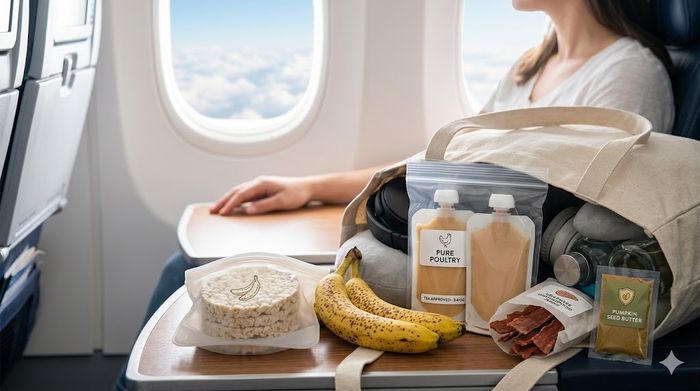
Nature has truly provided the perfect travel companion in the form of a banana. When a banana is fully ripe, showing those characteristic small brown spots on its golden peel, its complex starches break down entirely into easily digestible simple sugars. This natural chemical transition makes it incredibly gentle on an inflamed intestinal lining, requiring minimal metabolic work from your digestive enzymes to process and assimilate its valuable nutrients.
Bananas are highly celebrated in the IBD community because they provide a powerful source of mineral replenishment. For travelers seeking high potassium foods for energy, bananas serve as an excellent baseline to combat fatigue. Furthermore, they provide a smooth source of soluble fiber, which actively helps absorb excess moisture within the colon, adding needed form and structure to your bowel movements without introducing irritating, rough bulk. Their durable, protective natural wrapper means you can toss them right into your bag without worrying about contamination from outside surfaces.
2. Homemade Low-FODMAP Baked Rice Cakes
While store-bought crackers often feature processing agents, high sodium levels, and preservatives, creating your own simple, low-FODMAP baked rice cakes gives you absolute certainty regarding every single ingredient. Plain white rice is universally recognized as one of the safest base carbohydrates for people with Crohn's disease due to its exceptionally low residue nature, which leaves minimal waste products behind to pass through irritated segments of the bowel.
You can easily bake these at home by mixing cooked Jasmine or Basmati white rice with a touch of egg white as a binding agent and a tiny pinch of sea salt for flavor. Integrating these into your routine can be an excellent way to maintain a safe, non-irritating diet. If you are tracking your dietary targets closely, you can also pair these with a customized 100-calorie snack chart guide to manage portion sizes accurately during long transitions. Pack them carefully in a firm, airtight reusable container to prevent them from crumbling during transit through the bag scanners.
3. Plain Pureed Poultry Pouches (Baby Food Style)
Finding clean, high-quality protein on the go is arguably the most difficult aspect of traveling with chronic digestive inflammation. Lean meats are absolutely vital for cellular repair, immune function, and maintaining structural tissues, but standard options like beef jerky, cured ham, or heavily seasoned roasted nuts are loaded with tough fibers, nitrates, spicy seasonings, and high fat content that can trigger intense cramping.
A brilliant, highly effective hack is using organic, plain pureed chicken or turkey squeeze pouches. Because the lean meat is entirely pureed into a completely smooth, uniform texture, the physical mechanical work required by your stomach and small intestine is essentially eliminated. For individuals seeking gentle, well-tolerated nutrients, keeping a comprehensive Crohn's gut healing foods list handy ensures you always prioritize mucosal recovery. Look for options that contain nothing but pure meat, water, and salt—completely avoiding onion powder, garlic powder, or artificial texturizers.
*Note on TSA compliance:* Because these purees have a liquid-like consistency, they must strictly follow the TSA 3-1-1 liquids rule. Ensure each pouch is 3.4 ounces (100ml) or less and fits comfortably inside your single, clear quart-sized zip-top bag for quick, hassle-free inspection.
4. Oven-Baked Wild Salmon Jerky (Homemade & Unseasoned)
For an incredible boost of anti-inflammatory power, preparing your own unseasoned wild-caught salmon jerky is an outstanding travel choice. Wild salmon is an unparalleled source of long-chain Omega-3 fatty acids (EPA and DHA), which have been extensively studied for their ability to actively downregulate inflammatory pathways within the mucosal lining of the bowel. Consuming these healthy fats during a long, dehydrating flight can help mitigate the low-grade systemic inflammation that stress often creates.
To make this safe for Crohn's disease, slice fresh salmon fillets into very thin strips, pat them completely dry, and bake them at a very low temperature in your oven until the moisture is drawn out. Integrating clean fish fats into your routine aligns perfectly with a specialized omega-3 clean eating lunches framework to promote sustained cellular wellness. Unlike commercial fish jerkies that are heavily saturated with black pepper, soy sauce, and high-fructose corn syrup, your homemade version remains clean, soothing, and completely free of hidden triggers. It travels as a solid food, giving you full security through the checkpoint line.
5. Well-Cooked Peeled Pumpkin Seed Butter Packets
Whole nuts and seeds are notoriously difficult for a compromised digestive tract to process. Their sharp, rigid outer shells pass through the digestive system completely intact, acting like sandpaper against irritated intestinal tissue and causing immense pain during a flare-up. However, the rich nutritional profile of seeds—specifically their high zinc and magnesium content—is incredibly valuable for promoting mucosal healing and muscle relaxation within the gut.
The perfect solution is utilizing smooth, thoroughly blended pumpkin seed butter packaged into single-serve travel packets. For individuals experiencing fatigue or deficiency indicators, tracking a reliable magnesium deficiency signs and food reference helps ensure you replenish these critical minerals efficiently. By grinding the peeled seeds down into a perfectly velvety paste, the mechanical barrier is removed, allowing your body to easily absorb the dense minerals and healthy fats without any physical irritation. Like poultry pouches, keep these under 3.4 ounces to comply fully with TSA liquid restrictions.
Nutritional Profiles and Safe Travel Metrics
To help you plan your journey meticulously, the following structured layout details the primary health benefits, digestion difficulty rankings, and key TSA transport compliance status for each of these essential travel items:
| Snack Option | Primary Target Benefit | Digestion Strain | TSA Rule Status |
|---|---|---|---|
| Ripe Spotted Banana | Electrolyte and Soluble Fiber Boost | Extremely Low Strain | Solid Food (Unrestricted) |
| Baked Rice Cakes | Low-Residue Stable Carbohydrates | Extremely Low Strain | Solid Food (Unrestricted) |
| Pureed Poultry Pouches | Tissue Healing Smooth Proteins | Zero Mechanical Strain | Liquids Rule (Max 3.4 oz) |
| Wild Salmon Jerky | Anti-Inflammatory Omega-3 Fats | Moderate to Low Strain | Solid Food (Unrestricted) |
| Pumpkin Seed Butter | Gut Relaxing Zinc and Magnesium | Minimal Strain (Smooth) | Liquids Rule (Max 3.4 oz) |
Practical Airport and In-Flight Management Strategies
Packing the right items is only the first part of the equation; how you manage your environment during the flight plays an equally major role. Hydration is an absolute priority when flying, as the humidity inside airplane cabins regularly drops below twenty percent, causing rapid systemic dehydration. Dehydration slows down overall gastric clearance and dries out the mucosal lining, heavily exacerbating underlying Crohn's symptoms. To ensure you stay perfectly hydrated without consuming carbonated drinks or sugary juices, carry an empty, BPA-free water bottle through security checkpoints and fill it completely at a filtered hydration station before boarding your plane.
Additionally, do not hesitate to contact your airline's accessibility desk forty-eight hours before your scheduled departure. Most modern carriers are incredibly accommodating and can document your medical condition to ensure you have priority access to restrooms during the flight if an emergency arises. If you are tracking the broader lifestyle elements that control systemic gut stress, learning about how to recognize and reduce a 7 signs high cortisol symptoms response can provide life-changing preventative benefits before you travel. To build a completely safe routine from morning till night, understanding targeted morning gut health habits allows you to step onto the plane with full digestive confidence. For travelers managing severe acute episodes, reviewing a comprehensive Crohn's flare-up survival guide guarantees you stay completely safe and prepared under any travel scenario.
Summary of Verdict and Final Travel Conclusions
Verdict: Traveling with Crohn's disease does not have to mean living in constant fear of airport food courts or mid-flight flare-ups. By completely avoiding high-risk processed foods and proactively packing a collection of ripe spotted bananas, homemade white rice cakes, pureed poultry pouches, unseasoned salmon jerky, and smooth pumpkin seed butter, you create a powerful, nutrient-dense safety net for your gastrointestinal system. True chronic wellness is achieved through meticulous preparation and mindful choices. Taking full ownership of your nutrition enables you to explore new horizons with absolute confidence, deep comfort, and complete peace of mind. Safe travels!
Word Count: 1528 words
© Copyright SorinBlogger
