If you frequently find yourself hitting a wall by mid-afternoon, relying on cup after cup of coffee just to keep your eyes open, you are certainly not alone. Millions of Americans struggle with unexplained fatigue and sluggishness daily. While it is easy to blame a lack of sleep or a highly stressful work environment, the true culprit might be hiding right on your plate. A deficiency in essential minerals, specifically potassium, can severely disrupt your body's natural energy production systems. Today, I want to guide you through a comprehensive look at how optimizing your diet with high-potassium foods can naturally, safely, and effectively boost your energy levels from the cellular level up.

Potassium is a vital electrolyte that plays a non-negotiable role in muscle contractions, nerve signals, and maintaining optimal fluid balance within your body. When you do not consume enough of it, your cells simply cannot generate the energy required to power your daily activities, leading to muscle weakness and chronic exhaustion. Instead of reaching for sugary energy drinks that lead to an inevitable crash, incorporating nutrient-dense, high-potassium foods into your daily routine is a sustainable and health-promoting strategy. Let us explore the top ten foods that will help you reclaim your vitality.
1. Avocados: The Creamy Energy Powerhouse
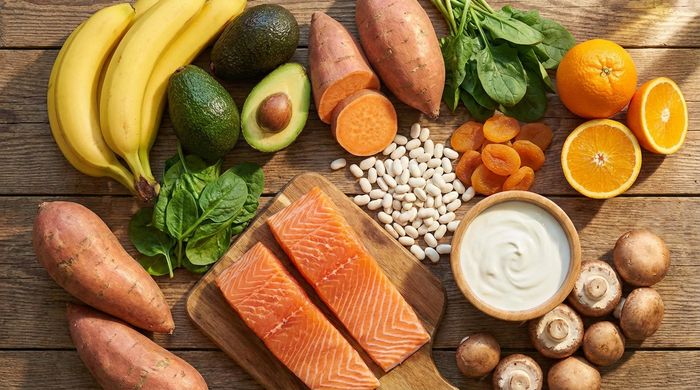
Avocados have surged in popularity over the last decade, and for very good reason. They are not just a trendy topping for your morning toast; they are a nutritional goldmine. A single whole avocado can provide roughly 700 to 900 milligrams of potassium, which is significantly more than what you would get from a standard banana. What makes the avocado truly spectacular for energy is its high concentration of heart-healthy monounsaturated fats. These fats slow down the digestion of carbohydrates, ensuring a steady, prolonged release of glucose into your bloodstream. This prevents the sharp spikes and subsequent crashes in blood sugar that leave you feeling drained. By incorporating half an avocado into your daily salad or smoothie, you are providing your body with a sustained fuel source alongside a massive dose of the electrolytes needed for cellular function.
2. Sweet Potatoes: Complex Carbs Meet High Minerals
If you are looking for a side dish that packs a serious energetic punch, look no further than the sweet potato. One medium-sized baked sweet potato contains over 500 milligrams of potassium. Beyond the mineral content, sweet potatoes are composed of complex carbohydrates. Your body digests complex carbs slowly, converting them into a reliable, long-lasting stream of energy throughout the day. Furthermore, they are incredibly rich in vitamin A and vitamin C, both of which combat oxidative stress and inflammation—two hidden factors that can contribute to feelings of lethargy. Whether you roast them, mash them, or turn them into homemade fries, sweet potatoes are a versatile and delicious way to ensure your muscles have the potassium they need to perform optimally without fatigue.
3. Spinach: The Ultimate Leafy Green
We have all heard that spinach makes you strong, and the science absolutely backs this up. A single cup of cooked spinach delivers an impressive 839 milligrams of potassium. But the energy-boosting benefits of spinach do not stop at electrolytes. Spinach is remarkably high in iron, a crucial mineral required for the production of hemoglobin. Hemoglobin is the protein in your red blood cells responsible for transporting oxygen from your lungs to every tissue and muscle in your body. When your cells receive adequate oxygen, they can efficiently produce adenosine triphosphate (ATP), the primary energy currency of the body. If you are feeling chronically tired, a potassium and iron boost from a hearty spinach salad or a blended green smoothie might be exactly what your biological engine needs to start firing on all cylinders again.
4. Watermelon: Hydration and Electrolyte Balance
Fatigue is very frequently a direct symptom of mild dehydration. Even a mere 1% drop in your body's water weight can negatively impact your mood, focus, and energy levels. Watermelon is a brilliant solution to this problem, offering a dual approach to fighting fatigue. Not only is it composed of about 92% water, keeping your cells perfectly hydrated, but two wedges of watermelon also provide over 600 milligrams of potassium. Furthermore, watermelon contains L-citrulline, an amino acid that may help reduce muscle soreness and improve physical performance by increasing blood flow. Snacking on chilled watermelon during a hot afternoon is a fantastic way to replenish lost fluids, restore your electrolyte balance, and give yourself a clean, refreshing energy surge.
5. Coconut Water: Nature’s Sports Drink
When you sweat, you lose vital electrolytes, predominantly sodium and potassium. Replacing these quickly is essential to maintaining energy and preventing muscle cramps. Coconut water is often referred to as nature's sports drink because it provides a highly bioavailable source of hydration. One cup of pure coconut water contains roughly 600 milligrams of potassium, making it far superior to most artificially colored and heavily sweetened commercial sports drinks. It is relatively low in carbohydrates and calories, meaning it hydrates you deeply without spiking your blood sugar. If you need a midday pick-me-up or a post-workout recovery beverage to stave off exhaustion, a glass of unflavored coconut water is one of the most effective, natural choices available.
6. White Beans: Fiber-Rich Sustenance
Beans are somewhat of an unsung hero when it comes to potassium content, and white beans are at the very top of the list. Just one cup of cooked white beans delivers a staggering 1,000 milligrams of potassium—which is nearly 20% of your recommended daily allowance. Besides their massive potassium load, white beans are dense in dietary fiber and plant-based protein. This combination is the ultimate recipe for stable energy. Fiber slows digestion, ensuring the calories you consume are released as a slow, steady trickle of energy rather than a rush. Protein helps repair muscle tissue and keeps you feeling full. Adding white beans to soups, stews, or salads is a simple and inexpensive way to supercharge your diet and combat daily fatigue.
Potassium Content Comparison
To help you better plan your meals and visualize how these foods stack up against one another, I have created a quick reference table. Keep in mind that these values can vary slightly based on the size of the produce and the exact preparation method.
| Food Item | Standard Serving Size | Estimated Potassium (mg) |
|---|---|---|
| White Beans (Cooked) | 1 Cup | ~1,004 mg |
| Spinach (Cooked) | 1 Cup | ~839 mg |
| Avocado | 1 Whole | ~700 - 900 mg |
| Potato (Baked with skin) | 1 Medium | ~610 mg |
| Coconut Water | 1 Cup (8 oz) | ~600 mg |
| Sweet Potato (Baked) | 1 Medium | ~542 mg |
| Banana | 1 Medium | ~422 mg |
7. Edamame: The Energizing Snack
Edamame, or immature soybeans, are an exceptionally healthy snack widely enjoyed in Asian cuisine and increasingly popular across the US. One cup of whole edamame pods provides roughly 676 milligrams of potassium. What makes edamame fantastic for an energy boost is its comprehensive macronutrient profile. It is one of the few plant sources that provide complete protein, containing all the essential amino acids your body needs. When you pair this high-quality protein with a solid dose of potassium and complex carbohydrates, you get a snack that satiates hunger and provides lasting fuel. Steaming a bowl of edamame with a light sprinkle of sea salt is a fast, healthy way to push through an afternoon slump without reaching for processed vending machine snacks.
8. Regular Potatoes: The Misunderstood Carb
For years, the standard white potato was villainized by low-carb diets. However, from a nutritional standpoint, this is highly misguided. A medium-sized baked potato with the skin left on contains over 600 milligrams of potassium. The key to maximizing the energy benefits of the potato lies entirely in its preparation. Deep-frying them in inflammatory oils negates their benefits, but baking, boiling, or air-frying them preserves their nutritional integrity. Potatoes offer an easily digestible source of carbohydrates, making them excellent for quick energy replenishment, especially after physical exertion. By keeping the skin on, you also retain valuable fiber, which assists in stabilizing your blood sugar and energy levels over several hours.
9. Swiss Chard: Nutrient Density Personified
Swiss chard is an incredibly vibrant, dark leafy green that deserves a permanent spot in your grocery cart. Just one cup of cooked Swiss chard boasts nearly 1,000 milligrams of potassium. It is intensely nutrient-dense, meaning it provides a massive amount of vitamins and minerals for very few calories. Swiss chard is loaded with vitamin K, vitamin A, and vitamin C. The complex interaction of these antioxidants helps reduce cellular inflammation. Chronic inflammation forces your body to expend extra energy trying to heal itself, leaving you feeling perpetually exhausted. By consuming high-potassium, anti-inflammatory foods like Swiss chard, you are essentially reducing the workload on your immune system, freeing up that energy for you to use in your daily life.
10. Bananas: The Classic, Convenient Option
I purposefully placed the banana at the bottom of this list not because it is unhealthy, but to demonstrate that there are many other foods with far superior potassium profiles. However, bananas remain the most famous source of potassium for a reason. A medium banana yields about 422 milligrams of potassium. Their greatest asset is their unparalleled convenience. They come in their own natural, biodegradable packaging, making them the perfect on-the-go snack. Bananas are rich in easily digestible carbohydrates and vitamin B6, which your body uses to convert food into usable energy. Eating a banana thirty minutes before a workout can provide an immediate, accessible energy source, while the potassium works to prevent debilitating muscle cramps during your exercise routine.
Understanding How Potassium Fights Fatigue
To truly appreciate why these foods are so crucial, it helps to understand the biology behind the scenes. Every single cell in your body features something called the sodium-potassium pump. This mechanism pumps sodium out of the cell and pulls potassium in. This constant exchange creates an electrical gradient across the cell membrane, which is absolutely vital for nerve impulse transmission and muscle contraction. When potassium levels drop (a condition known as hypokalemia), this pump cannot function efficiently. The electrical signals slow down. Your muscles feel heavier, your reflexes dull, and a deep, pervasive sense of fatigue sets in because your cells literally do not have the electrical charge required to perform their jobs. By prioritizing the high-potassium foods listed above, you are continuously refueling this microscopic, electrical engine, ensuring your body runs smoothly and energetically.
Furthermore, many adults in the US consume diets incredibly high in sodium due to processed foods, which throws the delicate sodium-potassium ratio wildly out of balance. This imbalance not only elevates blood pressure but also exacerbates feelings of tiredness and lethargy. Increasing your dietary potassium naturally helps your body excrete excess sodium through urine, restoring the balance and relieving the cardiovascular strain that drains your energy.

Verdict and Final Thoughts
Feeling constantly tired is not a state you simply have to accept as a normal part of aging or a busy lifestyle. Often, the solution is grounded in basic, fundamental nutrition. Potassium is an unsung hero when it comes to regulating your cellular energy, supporting healthy muscle function, and keeping your nervous system firing on all cylinders. By making a conscious effort to integrate foods like avocados, spinach, white beans, and sweet potatoes into your daily meals, you can profoundly influence your daily vitality. I encourage you to view food not just as calories, but as biological information that directs your body's energy levels. Start swapping out processed, sodium-heavy snacks for these natural, high-potassium alternatives, and you will likely notice a significant, sustainable shift in how energized and focused you feel throughout your day.