We have all been there. It is 3:00 PM, and lunch feels like a distant memory. Your energy is crashing, and the vending machine or the pantry is calling your name. This is the critical moment where healthy intentions often collide with convenient reality. The difference between staying on track with your health goals and derailing your progress often comes down to a single decision: the snack.
Snacking is not inherently bad. In fact, when done correctly, it keeps your metabolism humming and prevents that ravenous hunger that leads to overeating at dinner. The secret lies in the volume and nutritional density of what you eat. This is where the concept of "Life Care" comes in—treating your body with the respect it deserves by fueling it properly, not just filling it up.

I have compiled the ultimate guide to the 100-calorie threshold. Why 100? Because it is the perfect amount to bridge the gap between meals without overloading your daily intake. Whether you have a sweet tooth or crave something savory, this guide will help you navigate your choices wisely.
Why 100 Calories is the Magic Number
You might wonder why nutritionists and dietitians frequently cite the 100-calorie mark. It is not an arbitrary figure. Psychologically, it feels substantial enough to be a "treat," but physiologically, it is generally small enough to be burned off with moderate activity, such as a brisk 20-minute walk.
When we look at weight management, the mathematics are simple but strict. An extra 500 calories a day can lead to a pound of weight gain per week. Conversely, cutting 500 calories can help you lose a pound. A 100-calorie snack fits safely into almost any diet plan, from Keto to Mediterranean, provided the macronutrients align with your specific goals.
The danger zone lies in "portion distortion." A handful of almonds can easily turn into 300 calories if you are not counting. A scoop of peanut butter can double in caloric density if the spoon is heaped. The 100-calorie standard forces us to look at portion sizes with a critical eye, ensuring we are feeding our hunger, not our boredom.
Sweet Cravings: Satisfying the Sugar Itch
We all get them. That sudden urge for something sugary usually hits mid-afternoon or right after dinner. The mistake many make is reaching for a candy bar, which causes a rapid spike in blood sugar followed by an inevitable crash. The key to a smart sweet snack is pairing natural sugars with fiber or a little bit of fat to slow digestion.
If you opt for fruit, you get volume. You can eat a massive amount of strawberries for the same caloric cost as half a cookie. This visual volume signals to your brain that you are full, which is a crucial hack for dieting.
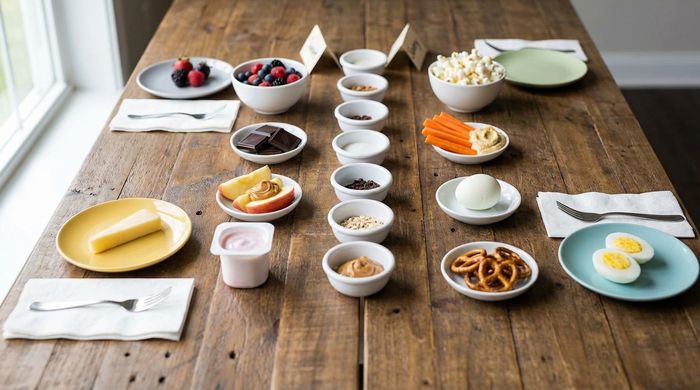
Top Sweet Snacks Under 100 Calories
| Snack Option | Portion Size | Key Benefit |
|---|---|---|
| Frozen Grapes | 1 cup (approx. 28 grapes) | Takes longer to eat, high hydration |
| Dark Chocolate | 3 squares (70% cocoa) | Antioxidants, satisfies cravings intensely |
| Blueberries | 1.5 cups | High volume, high fiber, brain health |
| Apple Slices | 1 medium apple | Pectin fiber helps you feel full |
| Greek Yogurt (Non-fat) | 3/4 cup with stevia | High protein punch |
My personal favorite from this list is the frozen grapes. When frozen, the texture changes to something resembling sorbet. It takes longer to chew and eat, which gives your brain time to register satiety signals—a process that typically takes about 20 minutes.
Savory Satisfiers: Crunchy and Salty Options
Sometimes sugar just will not cut it. You want salt, you want crunch, and you want savory depth. The trap here is usually sodium and refined carbohydrates (like potato chips). However, there are plenty of ways to get that savory fix without destroying your diet plan.
The champion of savory volume eating is popcorn. Not the movie theater kind dripping in artificial butter, but air-popped corn. It is a whole grain, loaded with fiber, and you can eat a surprising amount for very few calories.
Top Savory Snacks Under 100 Calories
| Snack Option | Portion Size | Key Benefit |
|---|---|---|
| Air-Popped Popcorn | 3 cups | Massive volume, high fiber |
| Baby Carrots with Hummus | 10 carrots + 1 tbsp hummus | Crunch plus protein/fat combo |
| Almonds | 13-14 almonds | Healthy fats, very satiating |
| Edamame (shelled) | 1/2 cup | Complete plant protein |
| String Cheese | 1 stick (light version) | Calcium and protein, portable |
| Pistachios | 25 nuts (in shell) | Shelling them slows you down |
If you choose pistachios, buy them in the shell. The act of shelling them is a mindfulness trick. It keeps your hands busy and creates a pile of empty shells that serves as a visual reminder of how much you have already consumed.
The "Life Care" Approach: Mindful Snacking
The term "Life Care" goes beyond just medical insurance or elder care; in the context of wellness, it means actively caring for the life you are living right now. How we eat is a form of self-respect. Mindless munching while scrolling through social media or watching TV disconnects the brain from the stomach.
To truly benefit from these 100-calorie snacks, try to implement a "tech-free" snack time. It sounds intense, but taking five minutes to just eat your apple or enjoy your yogurt allows you to actually taste the food. Studies have shown that distracted eating leads to less satisfaction and a quicker return of hunger.
Another aspect of this approach is hydration. Often, the brain confuses thirst signals with hunger pangs. Before you reach for any snack on these charts, drink a full glass of water. Wait ten minutes. If you are still hungry, then proceed with the snack. This simple habit can save you hundreds of calories a day.
Pre-Packaged vs. DIY: A Cost and Health Analysis
Walking down the grocery aisle, you will see endless boxes labeled "100-Calorie Packs." Manufacturers have caught on to the trend. While these are incredibly convenient, they often come with a "convenience tax"—both on your wallet and your health.
Pre-packaged 100-calorie snacks (like cookies or crackers) are often highly processed. They might meet the caloric requirement, but they lack nutrients. You are essentially eating 100 calories of air and refined flour. You will likely be hungry again in an hour.
DIY is the superior choice. buying a large tub of Greek yogurt and portioning it yourself, or buying a bag of almonds and separating them into small reusable containers, saves significant money. More importantly, it gives you control over the ingredients. You know exactly what is going into your body—no hidden preservatives or high-fructose corn syrup.
Navigating Labels: Hidden Traps
If you must buy packaged snacks, reading the label is non-negotiable. The front of the box is marketing; the back of the box is science. The most important line to look at after calories is "Added Sugars."
Many low-fat snacks compensate for the lack of flavor (fat carries flavor) by adding sugar. A low-fat granola bar might be 100 calories but contain 12 grams of sugar—that is three teaspoons! This will spike your insulin and trigger fat storage, counteracting your weight loss efforts.
Also, watch out for "servings per container." A small bag of chips might look like a single serving, but if you look closely, the package might say "2.5 servings." If you eat the whole bag thinking it is a light snack, you have accidentally consumed 250+ calories.

Verdict and Final Thoughts
Snacking does not have to be the enemy of your fitness goals. By sticking to the 100-calorie rule and choosing nutrient-dense whole foods over processed empty calories, you can satisfy your cravings while nourishing your body.
Remember that consistency is key. One "bad" snack will not ruin your progress, just as one healthy snack will not make you fit. It is the accumulation of these small choices over time that defines your health. Use the charts provided above as a cheat sheet. Keep your pantry stocked with these options, and you will find that sticking to your plan becomes significantly easier. Your body—and your waistline—will thank you.