Living with Crohn’s disease means your relationship with food is constantly evolving. It is a journey of trial and error, where the primary goal is to find a balance between nourishment and symptom management. Crohn’s, a type of Inflammatory Bowel Disease (IBD), causes chronic inflammation in the digestive tract, leading to abdominal pain, severe diarrhea, fatigue, weight loss, and malnutrition. While there is no "one-size-fits-all" diet, incorporating specific gut-healing foods can significantly dampen inflammation, repair the intestinal lining, and improve your overall quality of life.
The Role of Nutrition in Managing Crohn’s Disease

Nutrition isn't just about avoiding "trigger foods"; it's about active healing. When the gut is inflamed, its ability to absorb essential vitamins and minerals is compromised. This guide focuses on seven powerhouse foods that are generally well-tolerated and packed with properties that support the intestinal mucosal barrier. By focusing on these additions to your Crohn's disease diet plan, you can move closer to clinical remission and sustained energy levels.
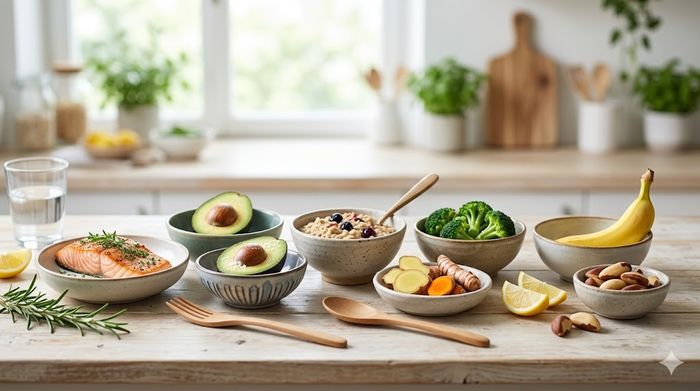
1. Fatty Fish: The Omega-3 Powerhouse
Fatty fish like salmon, mackerel, and sardines are rich in Omega-3 fatty acids, particularly EPA and DHA. These essential fats are legendary for their anti-inflammatory properties. In the context of Crohn's, Omega-3s help reduce the production of substances that cause inflammation, such as certain cytokines.
- Easy Digestion: Unlike tough red meats, fish proteins are easily broken down by the digestive system.
- Vitamin D boost: Many Crohn’s patients are deficient in Vitamin D, which fish provides in abundance.
2. Cooked Carrots: Gentle Fiber and Beta-Carotene
While raw vegetables can be problematic during a flare-up due to their insoluble fiber content, cooked carrots are a game-changer. Steaming or roasting carrots breaks down the tough cellulose, making them soft and gentle on the gut.
Carrots are loaded with beta-carotene, which the body converts into Vitamin A. This vitamin is crucial for maintaining the health of the mucosal membranes that line the digestive tract. A healthy lining acts as a barrier against harmful bacteria, preventing "leaky gut" issues often associated with IBD.
3. Turmeric: Nature’s Anti-Inflammatory Spice
Turmeric contains curcumin, a compound that has been extensively studied for its ability to inhibit the NF-kB pathway—a major trigger for inflammation in the gut. For many living with Crohn's, adding turmeric to soups or stews can provide a subtle, natural therapeutic effect.
| Nutrient | Benefit for Crohn's |
|---|---|
| Curcumin | Reduces systemic inflammation |
| Omega-3 | Supports heart and gut health |
| Soluble Fiber | Promotes regular, gentle bowel movements |
4. Bone Broth: The Ultimate Intestinal Healer
Bone broth has gained immense popularity in the gut-health community for good reason. It is rich in amino acids like proline, glycine, and glutamine. Glutamine, in particular, is the preferred fuel source for the cells lining the small intestine.
By providing the raw materials needed for cellular repair, bone broth can help seal the gut lining and reduce the frequency of flare-ups. It is also an excellent way to stay hydrated and replenish electrolytes when solid foods are difficult to tolerate.
5. Yogurt and Fermented Foods (Dairy-Free Options)
A healthy microbiome is essential for managing Crohn's. Probiotics found in yogurt, kefir, and sauerkraut introduce "good" bacteria that can outcompete harmful strains. However, many Crohn’s patients are lactose intolerant.
If dairy is a trigger, look for coconut or almond-based yogurts that contain "live and active cultures." These provide the same probiotic benefits without the digestive distress caused by lactose. Always choose unsweetened varieties to avoid feeding pathogenic yeast in the gut.
6. Bananas: The Perfect Low-Residue Fruit
Bananas are a staple in the BRAT diet (Bananas, Rice, Applesauce, Toast) for a reason. They are incredibly easy to digest and provide a quick source of energy. They contain pectin, a type of soluble fiber that helps firm up stools, which is particularly beneficial for those struggling with chronic diarrhea.
Furthermore, bananas are high in potassium, an electrolyte often lost during periods of illness. Keeping potassium levels stable is vital for muscle function and heart health.
7. Avocados: Nutrient-Dense and Anti-Inflammatory
Avocados are nutritional powerhouses that are soft and easy on the digestive tract. They are packed with monounsaturated fats, which are heart-healthy and anti-inflammatory. When you are struggling with weight maintenance due to malabsorption, avocados provide a dense source of calories in a small, manageable package.
They also contain Vitamin E, an antioxidant that helps protect cells from oxidative stress—a common occurrence in inflamed gut tissue.
Building Your Personalized Crohn's Diet Plan
Integrating these gut-healing foods is not just about eating them once; it's about consistency and observation. Use a food journal to track how your body responds to each item. Remember that during a flare, you might need a "Low-Residue Diet," which focuses on foods that are low in fiber and easy to digest, while during remission, you can gradually reintroduce more variety.
Tips for Success:
- Small, Frequent Meals: Instead of three large meals, aim for five or six smaller snacks to reduce the workload on your digestive system.
- Hydration is Key: Sip water, herbal teas, or bone broth throughout the day to keep the gut moving smoothly.
- Preparation Matters: Pureeing, blending, or slow-cooking foods makes them much easier to process.
In addition to food, managing stress and getting adequate sleep are vital components of any healing journey. The gut and brain are deeply connected through the gut-brain axis; therefore, a calm mind often leads to a calmer digestive system. Always consult with a registered dietitian or your gastroenterologist before making significant changes to your medical regimen.

Final Verdict: Can Diet Heal Crohn's?
While diet alone is rarely a cure for Crohn’s disease, it is one of the most powerful tools in your arsenal for managing the condition. By focusing on anti-inflammatory, nutrient-dense, and easily digestible foods like those mentioned above, you give your body the best possible chance to heal. Food should be your ally, not your enemy. Start slowly, listen to your gut, and prioritize quality ingredients to reclaim your health and vitality.