Embarking on a journey toward better health doesn't have to mean complicated recipes, restrictive diets, or endless hours in the kitchen. In fact, true wellness begins with simplicity. A clean eating lifestyle is all about getting back to basics, nourishing your body with foods in their most natural state, and cutting out the heavily processed items that drain our energy. If you are reading this, you are already taking the most important step: choosing to prioritize your well-being. This guide is designed specifically for beginners, stripping away the confusion and providing a straightforward, delicious approach to wholesome nutrition.

Over the next week, you will discover how flavorful and satisfying whole foods can be. By following this carefully curated 7-day clean eating meal plan, you are giving your digestive system a break, boosting your natural energy levels, and establishing habits that can last a lifetime. We will explore exactly what it means to eat clean, how to prepare your kitchen for success, and provide you with a day-by-day menu that is as tasty as it is nutritious. Let's dive in and transform the way you feel, one simple meal at a time.
Understanding the Core Principles of Clean Eating
Before you jump into the meal plan, it is vital to understand what clean eating actually entails. The term gets thrown around a lot in the fitness and wellness industry, but at its heart, it is not a "diet" in the traditional sense. It is a mindful approach to food consumption. The primary goal is to eat foods that are as close to their natural form as possible. This means reaching for an apple instead of apple juice, or choosing whole-grain oats instead of a sugary breakfast cereal.
The foundation of this lifestyle rests on a few simple pillars. First, emphasize whole foods like fresh vegetables, fruits, lean proteins, whole grains, and healthy fats. Second, minimize your intake of highly processed foods, which are typically loaded with refined sugars, artificial preservatives, and unhealthy trans fats. Third, stay hydrated by making water your primary beverage. Finally, practice reading labels; if an ingredient list reads like a chemistry experiment, it is best left on the shelf. Embracing these principles ensures your body receives the essential vitamins, minerals, and macronutrients it needs to thrive.
Preparing Your Kitchen and Mindset for Success
Success in any new endeavor requires preparation. If your pantry is filled with tempting, highly processed snacks, sticking to a clean eating plan becomes an uphill battle. Take an hour to audit your kitchen. Remove or hide foods that do not align with your goals, such as chips, candies, sweetened sodas, and refined white flour products. Create an environment that supports your new lifestyle. Keep a bowl of fresh fruit on the counter, stock the front of your fridge with pre-cut vegetables, and organize your pantry with whole grains like quinoa, brown rice, and legumes.
Mental preparation is equally important. Remind yourself why you are doing this. Whether it is to gain more energy, improve your digestion, support your immune system, or simply feel better in your own skin, keeping your "why" at the forefront of your mind will help you stay committed. Remember, perfection is not the goal here. If you slip up or find yourself in a situation where a clean option isn't available, do not panic or give up. Just make your next meal a clean one. Consistency, not perfection, yields the best long-term results.
The 7-Day Clean Eating Menu Breakdown
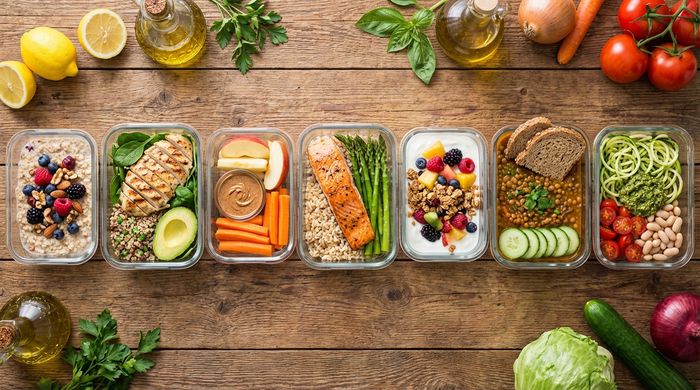
Below is your comprehensive 7-day meal plan. I have designed these meals to be straightforward, requiring minimal prep time while maximizing flavor and nutrition. You can always adjust portion sizes based on your individual caloric needs and activity levels. Feel free to swap out proteins or vegetables based on seasonal availability or personal preferences, as long as the replacements remain in their whole, unprocessed state.
Day 1: Establishing the Foundation
| Meal Type | Clean Eating Recipe & Details |
|---|---|
| Breakfast | Berry & Spinach Smoothie: Blend 1 cup of fresh spinach, 1/2 cup of frozen mixed berries, 1/2 a banana, 1 tablespoon of chia seeds, and 1 cup of unsweetened almond milk. This provides a massive burst of antioxidants and fiber right at the start of your day. |
| Morning Snack | Apple & Almonds: One medium crisp apple sliced and served with a small handful (about 12-15) of raw, unsalted almonds for sustained energy. |
| Lunch | Quinoa & Black Bean Salad: 1/2 cup cooked quinoa mixed with 1/2 cup rinsed black beans, diced bell peppers, cherry tomatoes, fresh cilantro, and a dressing made of lime juice and a teaspoon of extra virgin olive oil. |
| Afternoon Snack | Carrot Sticks with Hummus: 1 cup of carrot sticks paired with 2 tablespoons of traditional, minimally processed hummus. |
| Dinner | Baked Salmon with Asparagus: A 4-ounce filet of wild-caught salmon baked with lemon and dill, served alongside a generous portion of roasted asparagus and 1/2 cup of baked sweet potato cubes. |
Day 2: Sustaining Energy Levels
| Meal Type | Clean Eating Recipe & Details |
|---|---|
| Breakfast | Oatmeal Bowl: 1/2 cup of rolled oats cooked in water or almond milk, topped with a dash of cinnamon, a handful of walnuts, and sliced fresh strawberries. |
| Morning Snack | Hard-Boiled Eggs: Two pasture-raised hard-boiled eggs sprinkled with a pinch of sea salt and black pepper for a perfect protein boost. |
| Lunch | Leftover Salmon Salad: Flake leftover salmon from Day 1 over a large bed of mixed greens, cucumber, and red onion, dressed with balsamic vinegar and olive oil. |
| Afternoon Snack | Greek Yogurt: 1/2 cup of plain, unsweetened Greek yogurt topped with a few fresh blueberries. |
| Dinner | Grilled Chicken & Broccoli: A 4-ounce grilled chicken breast seasoned with herbs, served with a large portion of steamed broccoli sprinkled with lemon juice and a side of brown rice. |
Day 3: Plant-Powered Nutrition
| Meal Type | Clean Eating Recipe & Details |
|---|---|
| Breakfast | Avocado Toast: One slice of 100% whole grain sprouted bread, topped with half a mashed avocado, a sprinkle of red pepper flakes, and a squeeze of fresh lime juice. |
| Morning Snack | Fresh Pear: One medium, ripe pear. Simple, hydrating, and packed with dietary fiber. |
| Lunch | Lentil Soup: A hearty bowl of homemade or clean-label low-sodium lentil soup, packed with carrots, celery, and onions, served with a side salad. |
| Afternoon Snack | Celery & Peanut Butter: Celery stalks spread with 1 tablespoon of all-natural peanut butter (ingredients should only be peanuts and salt). |
| Dinner | Zucchini Noodles with Turkey Meatballs: Spiralized fresh zucchini sautéed lightly in olive oil, topped with homemade lean ground turkey meatballs and a clean, no-sugar-added tomato marinara sauce. |
Day 4: Mid-Week Refresh
| Meal Type | Clean Eating Recipe & Details |
|---|---|
| Breakfast | Tropical Green Smoothie: Blend 1 cup of kale, 1/2 cup frozen pineapple, 1/4 of an avocado, and 1 cup of coconut water for a refreshing and creamy start to the morning. |
| Morning Snack | Pumpkin Seeds: A quarter cup of dry roasted, unsalted pumpkin seeds. |
| Lunch | Chicken and Avocado Wrap: Leftover grilled chicken from Day 2 wrapped in a large collard green leaf or a whole-wheat tortilla, layered with avocado, spinach, and a touch of mustard. |
| Afternoon Snack | Edamame: 1/2 cup of steamed edamame pods sprinkled with a tiny amount of sea salt. |
| Dinner | Shrimp Stir-Fry: Sautéed shrimp with a colorful mix of bell peppers, snap peas, and bok choy, cooked in a splash of low-sodium tamari and sesame oil, served over cauliflower rice. |
Day 5: Focusing on Healthy Fats
| Meal Type | Clean Eating Recipe & Details |
|---|---|
| Breakfast | Chia Seed Pudding: Prepared the night before by mixing 3 tablespoons of chia seeds with 1 cup of almond milk and a drop of vanilla extract. Top with fresh raspberries in the morning. |
| Morning Snack | Mixed Berries: A cup of mixed fresh berries (blueberries, raspberries, and blackberries). |
| Lunch | Tuna Salad Lettuce Boats: Canned chunk light tuna (in water) mixed with a little plain Greek yogurt and diced celery, served inside crisp romaine lettuce leaves. |
| Afternoon Snack | Walnuts: A small handful of raw walnuts for brain-boosting omega-3 fatty acids. |
| Dinner | Baked Cod with Roasted Vegetables: A mild, white fish filet baked with tomatoes and olives, served alongside roasted Brussels sprouts tossed in olive oil and garlic. |
Day 6: Weekend Prep and Flavor
| Meal Type | Clean Eating Recipe & Details |
|---|---|
| Breakfast | Veggie Omelet: A two-egg omelet loaded with spinach, mushrooms, and onions, cooked in a tiny bit of olive oil or grass-fed butter. |
| Morning Snack | Orange: One whole fresh orange to boost your Vitamin C. |
| Lunch | Stuffed Bell Peppers: Bell pepper halves stuffed with a mixture of lean ground turkey, diced tomatoes, brown rice, and Italian herbs, baked until tender. |
| Afternoon Snack | Cherry Tomatoes: A cup of sweet cherry tomatoes. |
| Dinner | Steak and Sweet Potato: A modest portion (3-4 oz) of lean, grass-fed beef steak alongside a baked sweet potato and a large side salad dressed with vinaigrette. |
Day 7: Finishing Strong
| Meal Type | Clean Eating Recipe & Details |
|---|---|
| Breakfast | Banana Pancakes: Simple pancakes made by blending 1 banana, 2 eggs, and a dash of cinnamon, cooked on a non-stick skillet and topped with pure, natural almond butter. |
| Morning Snack | Green Juice: A fresh-pressed green juice made from celery, cucumber, green apple, and ginger (ensure no added sugars). |
| Lunch | Leftover Steak Salad: Slice the remaining steak from Day 6 over arugula, topped with pumpkin seeds and a light lemon-olive oil dressing. |
| Afternoon Snack | Rice Cakes with Avocado: Two plain brown rice cakes topped with a thin layer of mashed avocado. |
| Dinner | Vegetable Curry: A warming bowl of mixed vegetables (cauliflower, carrots, peas) simmered in coconut milk and mild curry spices, served over a bed of quinoa. |
Your Clean Eating Grocery List Staples
To make your trip to the grocery store efficient and stress-free, focus your shopping around the perimeter of the store. This is typically where you will find the freshest items. Avoid the central aisles as much as possible, as these house the majority of boxed, highly processed foods.
- Fresh Produce: Spinach, kale, romaine lettuce, broccoli, asparagus, zucchini, bell peppers, sweet potatoes, apples, bananas, berries, lemons, and limes.
- Proteins: Wild-caught salmon, lean chicken breasts, ground turkey, pasture-raised eggs, and canned chunk light tuna in water.
- Grains & Legumes: Quinoa, brown rice, rolled oats, black beans, and lentils.
- Healthy Fats: Avocados, extra virgin olive oil, almonds, walnuts, chia seeds, and all-natural peanut butter or almond butter.
- Dairy & Alternatives: Unsweetened almond milk and plain Greek yogurt.
When selecting these items, opt for organic produce where feasible, particularly for the "Dirty Dozen" (foods known to have higher pesticide residue like strawberries and spinach). However, do not let perfection be the enemy of progress. If conventional produce is what fits your budget, simply make sure to wash it thoroughly before eating. The health benefits of consuming more vegetables far outweigh the risks of trace pesticides.
Crucial Tips to Maintain Your Clean Eating Lifestyle
Changing dietary habits requires patience. Meal prep is arguably your strongest ally. Taking a couple of hours on a Sunday to wash, chop, and portion out your vegetables, cook a batch of quinoa, or grill a few chicken breasts can drastically reduce your stress during busy weekdays. When wholesome food is ready to eat, you are far less likely to reach for a processed alternative or order takeout.
Additionally, pay close attention to hydration. Often, our bodies confuse thirst with hunger. Aim to drink at least eight glasses of water a day, adjusting for your physical activity and climate. Herbal teas and water infused with a slice of lemon or cucumber are excellent, clean ways to increase your fluid intake. Finally, prioritize your sleep. Lack of adequate rest disrupts hormones that regulate appetite, leading to increased cravings for sugar and carbohydrates. Aim for 7-9 hours of quality sleep each night to support your nutritional efforts.

Verdict & Final Thoughts
Transitioning to a clean eating lifestyle is a profoundly positive step toward optimizing your overall health, boosting your daily energy levels, and nurturing your body from the inside out. This 7-day plan is designed to show you that eating whole, unprocessed foods is neither boring nor overly complicated. By utilizing fresh ingredients, lean proteins, and healthy fats, you can enjoy flavorful meals that genuinely satisfy.
Remember, the goal here is progress, not perfection. Listen to your body, make adjustments as necessary, and celebrate the small victories along the way. Your journey to wellness is a marathon, not a sprint, and these first seven days are the perfect foundation for a lifetime of vibrant health.
Word count: 1548 words