Taking Cholesterol Medication? Don’t Make This Common Mistake
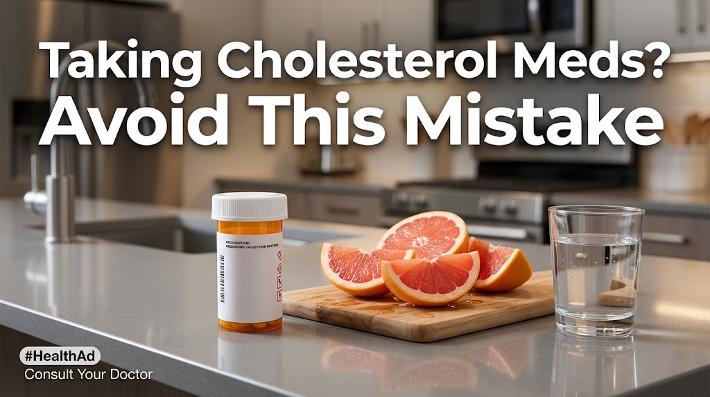
You swallow your daily prescription pill with a glass of water every single morning. You believe you are bulletproofing your cardiovascular system against plaque buildup.
Yet, millions of patients unknowingly commit an everyday error that completely sabotages their therapy. Even worse, this mistake can multiply bloodstream toxicity levels by upwards of three hundred percent.
Are you making this error right now? Let us examine the clinical biochemistry behind your prescription and show you how to protect your health today.
The Number One Blunder: Overlooking Dangerous Food and Enzyme Interactions
The absolute most prevalent, dangerous misstep among people taking statins is pairing them with organic compounds that disable the gut's metabolic enzymes. Most notably, this involves consuming grapefruit, pomelos, or Seville oranges while taking specific lipid-lowering compounds.
Citrus fruits of this family contain potent bioactive chemical agents known as furanocoumarins. These natural chemicals selectively bond with and deactivate an essential intestinal enzyme known as cytochrome P450 3A4, or CYP3A4.
Under normal conditions, CYP3A4 breaks down a large fraction of the oral statin dose before it enters your general circulation. When furanocoumarins deactivate this pathway, a standard dose bypasses intestinal filtering completely.
The Mechanistic Cascade: How Bloodstream Concentrations Spike
Think of CYP3A4 as a strict security gatekeeper positioned along your small intestine. When that gatekeeper is disabled, your bloodstream absorbs almost the entire intact chemical load.
A single glass of fresh grapefruit juice can elevate circulating atorvastatin or simvastatin concentrations up to three-fold. That effectively transforms a routine maintenance dose into an acute overdose overnight.
You can easily support your vascular system without running into severe drug collisions by eating nutrient-dense meals. For safe culinary inspiration, try preparing clean recipes for cholesterol that steer clear of volatile enzymatic interactors.
Rhabdomyolysis and Severe Organ Toxicity Risks
What happens when your circulating statin levels skyrocket unchecked? Your skeletal muscle tissue faces extreme metabolic stress.
This state often manifests initially as debilitating muscle weakness, intense soreness, and chronic cramps across your large muscle groups. Left uncorrected, it can accelerate into clinical rhabdomyolysis.
Rhabdomyolysis causes muscle cells to rupture, spilling enormous amounts of myoglobin protein into the bloodstream. This heavy protein debris clogs delicate renal filters, potentially inducing acute kidney failure.
Which Cholesterol Drugs Carry the Highest Dietary Vulnerability?
Not every single lipid medication responds to dietary triggers in the exact same manner. Your specific prescription determines your degree of vulnerability.
Lipophilic statins rely heavily on hepatic CYP3A4 processing, whereas hydrophilic medications take an entirely distinct clearance route. Let us break down how primary treatments compare side by side.
| Medication Class & Name | Metabolic Route | Interaction Risk Level | Clinical Action Plan |
|---|---|---|---|
| Simvastatin (Zocor) | CYP3A4 (Primary) | Extremely Critical | Eliminate all grapefruit products entirely. |
| Atorvastatin (Lipitor) | CYP3A4 (Extensive) | High Sensitivity | Avoid daily citrus concentrates completely. |
| Lovastatin (Mevacor) | CYP3A4 (Primary) | Extremely Critical | Strict exclusion of furanocoumarin botanicals. |
| Rosuvastatin (Crestor) | CYP2C9 / Biliary | Very Low Risk | Moderate dietary intake remains generally safe. |
| Pravastatin (Pravachol) | Sulfation / Renal | Minimal / Negligible | Safe alongside normal fruit consumption. |
As shown above, your exact prescription dictates your real-world risk level. Always verify your generic bottle label before changing what you eat.
When you pair smart therapy with proven daily practices like adopting habits for a stronger heart, you give your arterial walls real long-term protection. Medical adherence works best when reinforced by intelligent lifestyle choices.
Mistake Two: Treating Your Medication as a Free Pass for Unhealthy Food
A second insidious pitfall is assuming your daily tablet completely protects your circulatory system from greasy, pro-inflammatory foods. Many patients start eating high-fat convenience food thinking their prescription erases the damage.
This flawed psychological defense causes genuine physical injury over time. Statins do decrease endogenous liver production of cholesterol, but they cannot shield your vascular lining from systemic oxidative injury.
To genuinely lower risk, you must adopt an evidence-backed lifestyle focused on whole foods. Integrating a structured heart healthy diet for longevity ensures your arteries stay resilient and free of inflammatory lesions.
Circulating Endotoxin and Small Dense LDL Formation
Ultra-processed items flood your gut with advanced glycation end-products and rancid seed oils. This disrupts the intestinal barrier, releasing bacterial endotoxins into your venous blood.
When systemic inflammation runs high, native LDL particles undergo rapid chemical oxidation. These oxidized, small dense particles easily penetrate fragile endothelial layers to seed dense vascular plaque.
Pairing pharmaceutical therapy with a nutrient-poor diet creates a misleading sense of safety on basic blood tests while vascular damage silently advances. You must pair prescriptions with genuine cardiovascular stewardship to lower heart disease risk consistently.
Mistake Three: Taking Short-Acting Doses at the Wrong Time of Day
Did you know that human physiology produces cholesterol on a strict circadian timetable? Your body’s rate-limiting enzyme, HMG-CoA reductase, hits peak activity between midnight and four in the morning.
If you take short half-life drugs like simvastatin, pravastatin, or lovastatin early in the morning, their blood levels drop sharply before nighttime biosynthesis even begins. Consequently, the drug cannot adequately block the nighttime surge in cholesterol synthesis.
Long-acting formulations such as rosuvastatin and atorvastatin feature extended half-lives of fourteen to twenty hours, allowing flexible daytime dosing. Always consult your prescribing physician to match your dose timing with your specific drug’s pharmacokinetics.
The Overlooked CoQ10 Depletion Problem
The mevalonate biological pathway builds more than just cholesterol molecules inside your liver cells. It also drives the endogenous production of Coenzyme Q10, a vital antioxidant cofactor for cellular mitochondria.
By inhibiting HMG-CoA reductase, statins naturally reduce cellular CoQ10 production throughout your entire body. This depletion explains why many people experience persistent muscular fatigue, mental fog, and diminished physical stamina.
Taking an easily absorbed ubiquinol supplement under medical guidance can restore your cellular mitochondrial reserves. Always track your metabolic vitals and pay close attention to potential early symptoms of fatty liver whenever you adjust therapies that affect hepatic enzyme performance.
Five Golden Rules to Maximize Statin Safety and Efficacy
Staying safe while managing your lipid profile requires consistent daily diligence. Here is your essential step-by-step checklist to protect your health:
- Scrutinize Fruit Juices: Cut out all beverages containing grapefruit, pomelo, or bitter orange juices if taking CYP3A4-dependent statins.
- Align Dosing with Pharmacokinetics: Take short-acting agents at bedtime to effectively suppress peak nocturnal cholesterol synthesis.
- Eat Anti-Inflammatory Whole Foods: Avoid relying on prescriptions to offset a diet rich in trans-fats and refined sugars.
- Replenish Cellular Antioxidants: Talk with your cardiologist about supplementing with high-bioavailability ubiquinol to support muscular health.
- Schedule Regular Blood Panels: Keep tabs on ALT, AST, and creatine kinase biomarkers every six months to detect potential tissue irritation early.
Taking charge of your vascular longevity means staying informed and paying attention to detail. Review your prescriptions with your doctor, refine your daily food choices, and safeguard your heart health today.
Mistake Two: Treating Your Medication as a Free Pass for Unhealthy Food
A second insidious pitfall is assuming your daily tablet completely protects your circulatory system from greasy, pro-inflammatory foods. Many patients start eating high-fat convenience food thinking their prescription erases the damage.
This flawed psychological defense causes genuine physical injury over time. Statins do decrease endogenous liver production of cholesterol, but they cannot shield your vascular lining from systemic oxidative injury.
To genuinely lower risk, you must adopt an evidence-backed lifestyle focused on whole foods. Integrating a structured heart healthy diet for longevity ensures your arteries stay resilient and free of inflammatory lesions.
Circulating Endotoxin and Small Dense LDL Formation
Ultra-processed items flood your gut with advanced glycation end-products and rancid seed oils. This disrupts the intestinal barrier, releasing bacterial endotoxins into your venous blood.
When systemic inflammation runs high, native LDL particles undergo rapid chemical oxidation. These oxidized, small dense particles easily penetrate fragile endothelial layers to seed dense vascular plaque.
Pairing pharmaceutical therapy with a nutrient-poor diet creates a misleading sense of safety on basic blood tests while vascular damage silently advances. You must pair prescriptions with genuine cardiovascular stewardship to lower heart disease risk consistently.
Mistake Three: Taking Short-Acting Doses at the Wrong Time of Day
Did you know that human physiology produces cholesterol on a strict circadian timetable? Your body’s rate-limiting enzyme, HMG-CoA reductase, hits peak activity between midnight and four in the morning.
If you take short half-life drugs like simvastatin, pravastatin, or lovastatin early in the morning, their blood levels drop sharply before nighttime biosynthesis even begins. Consequently, the drug cannot adequately block the nighttime surge in cholesterol synthesis.
Long-acting formulations such as rosuvastatin and atorvastatin feature extended half-lives of fourteen to twenty hours, allowing flexible daytime dosing. Always consult your prescribing physician to match your dose timing with your specific drug’s pharmacokinetics.
The Overlooked CoQ10 Depletion Problem
The mevalonate biological pathway builds more than just cholesterol molecules inside your liver cells. It also drives the endogenous production of Coenzyme Q10, a vital antioxidant cofactor for cellular mitochondria.
By inhibiting HMG-CoA reductase, statins naturally reduce cellular CoQ10 production throughout your entire body. This depletion explains why many people experience persistent muscular fatigue, mental fog, and diminished physical stamina.
Taking an easily absorbed ubiquinol supplement under medical guidance can restore your cellular mitochondrial reserves. Always track your metabolic vitals and pay close attention to potential early symptoms of fatty liver whenever you adjust therapies that affect hepatic enzyme performance.
Five Golden Rules to Maximize Statin Safety and Efficacy
Staying safe while managing your lipid profile requires consistent daily diligence. Here is your essential step-by-step checklist to protect your health:
- Scrutinize Fruit Juices: Cut out all beverages containing grapefruit, pomelo, or bitter orange juices if taking CYP3A4-dependent statins.
- Align Dosing with Pharmacokinetics: Take short-acting agents at bedtime to effectively suppress peak nocturnal cholesterol synthesis.
- Eat Anti-Inflammatory Whole Foods: Avoid relying on prescriptions to offset a diet rich in trans-fats and refined sugars.
- Replenish Cellular Antioxidants: Talk with your cardiologist about supplementing with high-bioavailability ubiquinol to support muscular health.
- Schedule Regular Blood Panels: Keep tabs on ALT, AST, and creatine kinase biomarkers every six months to detect potential tissue irritation early.
Taking charge of your vascular longevity means staying informed and paying attention to detail. Review your prescriptions with your doctor, refine your daily food choices, and safeguard your heart health today.
© Copyright SorinBlogger
