Heart disease remains the leading cause of death in the United States, yet the most powerful tools we have to combat it aren't found in a pharmacy—they are found in our daily routines. Every choice you make, from the moment you wake up to the second you close your eyes, sends a signal to your cardiovascular system. While genetics play a role, lifestyle choices are the primary drivers of heart health. Transitioning toward a heart-healthy lifestyle doesn't require an overnight overhaul; instead, it's about integrating sustainable, natural habits that strengthen your heart muscle, clear your arteries, and stabilize your blood pressure.
1. Prioritize Whole, Plant-Forward Nutrition

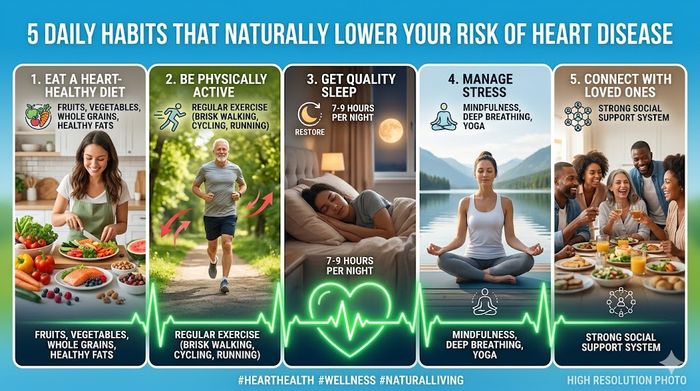
What you put on your plate is arguably the most significant factor in determining your risk for heart disease. A diet high in processed sugars, trans fats, and excessive sodium leads to inflammation, high cholesterol, and hypertension. Conversely, a diet centered around whole foods—specifically those from plants—provides the fiber, antioxidants, and healthy fats your heart needs to thrive.
The Mediterranean and DASH diets are gold standards for a reason. They emphasize leafy greens, berries, nuts, seeds, and healthy oils like extra virgin olive oil. These foods help lower LDL (bad) cholesterol and keep your arteries flexible. By making it a habit to fill half your plate with vegetables at every meal, you naturally reduce your intake of calorie-dense, nutrient-poor foods.
The Power of Fiber and Omega-3s
Soluble fiber, found in oats, beans, and lentils, acts like a sponge in your digestive system, soaking up cholesterol before it can enter your bloodstream. Additionally, incorporating Omega-3 fatty acids from sources like wild-caught salmon, walnuts, or chia seeds helps reduce systemic inflammation and lowers the risk of arrhythmias.
| Food Group | Heart Benefit | Daily Recommendation |
|---|---|---|
| Leafy Greens | High in Vitamin K and Nitrates (lowers BP) | 2 cups minimum |
| Berries | Anthocyanins reduce oxidative stress | 1/2 cup |
| Whole Grains | Rich in fiber to lower LDL | 3 servings |
2. Commit to 30 Minutes of "Movement Magic"
The human heart is a muscle, and like any other muscle, it requires regular exercise to stay strong and efficient. When you engage in physical activity, your heart pumps more blood per beat, which eventually lowers your resting heart rate and blood pressure. However, the habit isn't about running marathons; it's about consistency.
For many Americans, sedentary lifestyle habits—often dubbed "sitting disease"—are a major contributor to cardiovascular decline. Breaking up long periods of sitting with even five minutes of walking can improve endothelial function, which is the ability of your blood vessels to dilate and contract.
Finding Your Ideal Intensity
The American Heart Association recommends at least 150 minutes of moderate-intensity aerobic activity per week. This can be broken down into 30 minutes a day, five days a week. Activities like brisk walking, cycling, or swimming are excellent choices. If you prefer high-intensity workouts, 75 minutes a week can provide similar benefits.
Strength training is another critical component. By building lean muscle mass, your body becomes more efficient at processing glucose, which reduces the risk of Type 2 diabetes—a major risk factor for heart disease. Aim for two days of resistance training to complement your cardio.
3. Master the Art of Stress Management and Sleep
We often separate mental health from physical health, but for the heart, they are deeply intertwined. Chronic stress triggers a constant release of cortisol and adrenaline, hormones that increase heart rate and blood pressure. Over time, this "fight or flight" state damages the lining of the arteries and can lead to blood clots or heart attacks.
Equally important is the habit of getting 7 to 9 hours of quality sleep. During deep sleep, your blood pressure drops, giving your heart and vascular system a much-needed rest. Sleep deprivation is linked to obesity, high blood pressure, and increased inflammation markers like C-reactive protein (CRP).
Techniques for a Calmer Heart
- Deep Breathing: Just five minutes of box breathing (inhale for 4, hold for 4, exhale for 4, hold for 4) can lower your heart rate instantly.
- Digital Detox: Blue light and social media stress can disrupt your circadian rhythm. Turning off screens 60 minutes before bed is a vital heart habit.
- Mindfulness Meditation: Regular meditation has been shown to physically change the brain's response to stress, reducing the overall burden on the heart.
4. Hydrate Smartly and Eliminate Liquid Sugars
What you drink is just as important as what you eat. Dehydration makes your blood more viscous, forcing the heart to work harder to circulate it. However, the habit here isn't just "drinking more water"—it is specifically about replacing sugary beverages with heart-healthy liquids.
Sugar-sweetened beverages (SSBs) like sodas, energy drinks, and sweetened lattes are the single largest source of added sugar in the American diet. Excessive sugar consumption leads to insulin resistance and weight gain around the midsection (visceral fat), which is particularly dangerous for heart health.
The Benefits of Green Tea and Water
Switching to water or unsweetened green tea can have profound effects. Green tea contains catechins—powerful antioxidants that improve cholesterol levels and enhance artery function. If you find plain water boring, try infusing it with cucumber, lemon, or mint to maintain the habit without the caloric or glycemic load of soda.
5. Maintain Social Connections and Purpose
This habit is often overlooked in medical journals but is central to longevity. Loneliness and social isolation are significant, independent risk factors for heart disease and stroke. Humans are social creatures, and having a strong support system acts as a buffer against life's stressors.
Studies have shown that individuals with strong social ties have lower rates of cardiovascular events. Whether it's a daily phone call with a family member, volunteering in your community, or simply having a meaningful conversation with a friend, these interactions lower stress hormones and promote the release of oxytocin, which has cardioprotective properties.
Finding Purpose
Having a sense of purpose—a reason to get up in the morning—is linked to lower levels of inflammation and a reduced risk of heart attacks. Cultivating a hobby, caring for a pet, or engaging in work that feels meaningful provides a psychological foundation that supports physical heart health.
Bonus Tip: Know Your Numbers Regularly
While daily habits are the foundation, they must be guided by data. Many heart issues are "silent," meaning they don't present symptoms until a major event occurs. It is essential to have a yearly check-up to monitor your blood pressure, cholesterol levels (LDL, HDL, and Triglycerides), and blood glucose.
Understanding your baseline allows you to adjust your habits. For example, if your triglycerides are high, you may need to be even stricter with refined carbohydrates. If your blood pressure is creeping up, increasing your potassium intake through foods like bananas and sweet potatoes might be a priority.
The Role of Supplements
In some cases, even with a perfect diet, supplements might be necessary. CoQ10, magnesium, and high-quality fish oils are often recommended by integrative cardiologists to support cellular energy in the heart and maintain arterial health. Always consult with a healthcare professional before starting a new regimen to ensure it doesn't interfere with existing medications.

Final Verdict: A Heart-Centered Life
Lowering your risk of heart disease naturally isn't about deprivation; it's about empowerment. By choosing whole foods, moving your body with intention, managing your stress, hydrating properly, and fostering deep connections, you are building a biological shield against disease. These five habits work synergistically to create an environment where your heart can function at its peak. Remember, the best time to start protecting your heart was ten years ago; the second best time is today. Take one small step this afternoon—perhaps a 15-minute walk or choosing a glass of water over a soda—and your heart will thank you for years to come.
