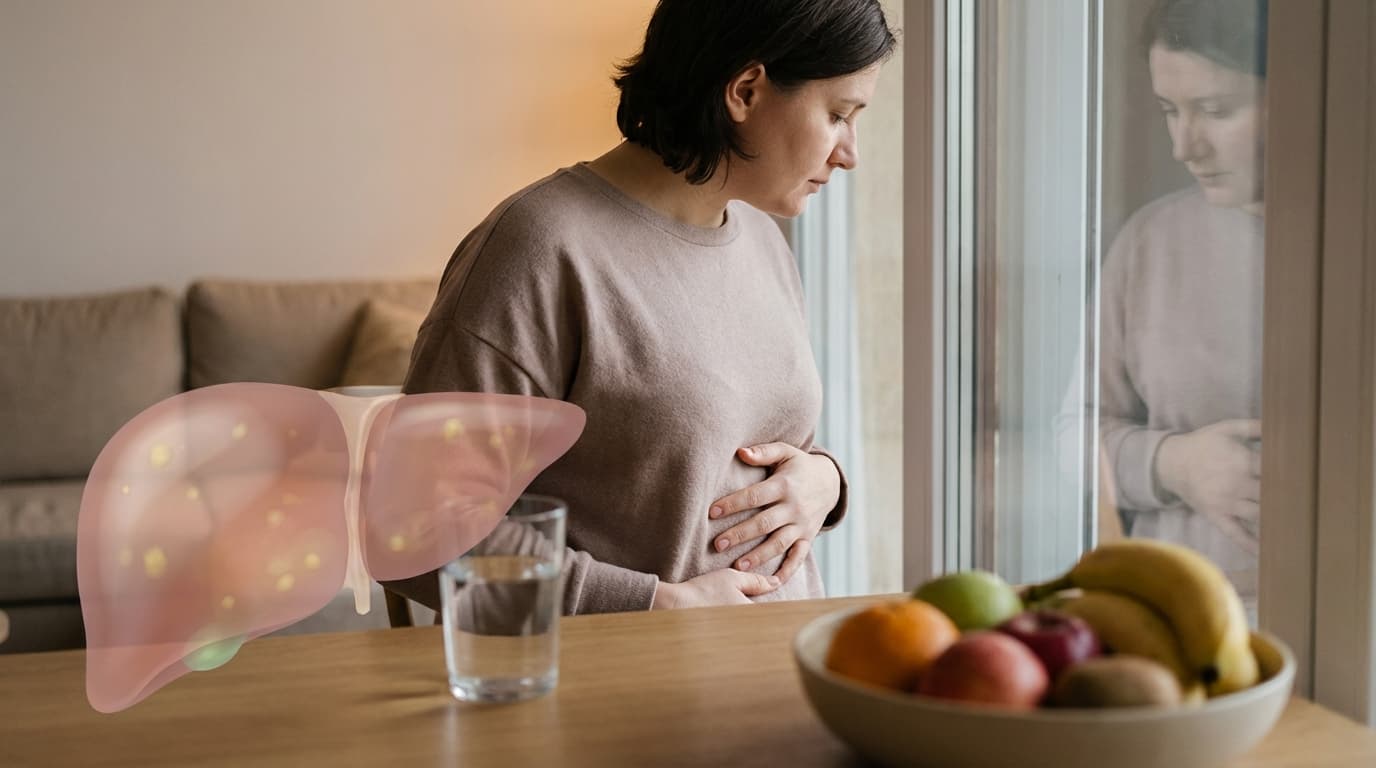
Imagine an organ that works tirelessly, filtering toxins and managing your energy, yet suffers in absolute silence until the damage is critical. That is your liver. In my years of researching metabolic health, I have found that Non-Alcoholic Fatty Liver Disease (NAFLD) is perhaps the most misunderstood "silent epidemic" of our time. It doesn’t just affect those who consume alcohol; it affects millions due to modern dietary habits. Often, the signs are subtle—a bit of fatigue here, some unexplained headaches there—but ignoring them can lead to irreversible consequences. Today, I want to guide you through the noise and pinpoint exactly what you need to look for to protect this vital organ.

Key Takeaways
- Silent Progression: NAFLD often shows no symptoms until the liver is significantly damaged.
- Upper Right Pain: A dull ache under the right rib cage is a classic early warning sign.
- Reversibility: Early intervention through diet and weight loss can fully reverse the condition.
- Fatigue Factor: Chronic tiredness that doesn't improve with sleep is the most common symptom.
Table of Contents
Understanding NAFLD: More Than Just Fat
When we talk about Non-Alcoholic Fatty Liver Disease, we are discussing a condition where excess fat builds up in liver cells in people who drink little to no alcohol. It is normal for the liver to contain some fat, but if more than 5% to 10% of the liver's weight is fat, it is called steatosis (fatty liver).
This condition is closely linked to metabolic issues. Just as we monitor our heart health as we age, we must pay attention to the metabolic engine that is the liver. If left unchecked, simple fatty liver can progress to Non-Alcoholic Steatohepatitis (NASH), where inflammation causes scarring (fibrosis), eventually leading to cirrhosis.
The 10 Early Symptoms You Need to Know
The liver is often called a stoic organ because it rarely complains until the damage is severe. However, if you tune in closely to your body, there are early whispers of distress. Here are the top 10 symptoms I advise you to watch for.
1. Chronic Fatigue and Weakness
This isn't just being tired after a long day. It is a profound lack of energy that sleep doesn't fix. When the liver is struggling to process glycogen (energy), your body feels the drain. If you are also experiencing poor sleep quality, you might want to read about how to improve your sleep environment, but remember, the root cause could be hepatic.
2. Abdominal Pain or Discomfort
Many patients report a dull, aching sensation or a feeling of fullness in the upper right side of the abdomen (the Right Upper Quadrant or RUQ). This occurs because excess fat inflames the liver, causing it to swell and stretch the sensitive membrane (Glisson’s capsule) that covers it.
3. Unexplained Weight Gain
Paradoxically, while a fatty liver is caused by excess weight, the liver dysfunction itself can make losing weight incredibly difficult. It becomes a vicious cycle. If you have tried various effective diets without success, your liver might be metabolically resistant.
4. Spider Angiomas
These are small, spider-like capillaries visible just under the skin's surface, usually on the chest and upper torso. They appear because the damaged liver fails to metabolize estrogen efficiently, leading to vascular changes.
5. Swelling (Edema and Ascites)
Fluid retention in the legs (edema) or the abdomen (ascites) is a concerning sign. While often associated with later stages, mild retention can occur earlier due to a decrease in albumin production by the liver.
6. Itchy Skin (Pruritus)
A buildup of bile salts in the skin can cause intense itching with no visible rash. This can be incredibly frustrating and often misdiagnosed as allergies. Natural remedies like coconut oil may soothe the skin temporarily, but the internal issue persists.
7. Jaundice (Yellowing)
Yellowing of the whites of the eyes or skin indicates elevated bilirubin. While usually a sign of more advanced distress, it can appear in acute flare-ups of fatty liver inflammation (steatohepatitis).
8. Confusion and Cognitive Issues
When the liver cannot filter toxins (like ammonia) from the blood, they travel to the brain. This can lead to brain fog, confusion, or difficulty concentrating. Sometimes, this metabolic confusion is mistaken for other issues, such as thyroid imbalances.
9. Changes in Appetite and Nausea
You might experience waves of nausea or a sudden loss of appetite. Digestive issues often mimic other conditions, so understanding foods that sabotage digestion is crucial to differentiating between simple indigestion and liver distress.
10. Red Palms (Palmar Erythema)
Much like spider angiomas, the palms of your hands may turn a reddish hue due to altered hormone metabolism and blood flow regulation by the liver.
| Stage | Description | Reversibility |
|---|---|---|
| Simple Fatty Liver | Fat build-up in liver cells. Little to no inflammation. | Highly Reversible |
| NASH (Steatohepatitis) | Fat plus inflammation and scarring. | Reversible with strict intervention |
| Fibrosis | Persistent inflammation causes scar tissue to form around the liver and blood vessels. | Difficult, but progression can be stopped |
| Cirrhosis | Liver is scarred and lumpy. Function is severely impaired. | Irreversible (Transplant often needed) |
Who is at Risk?
It is easy to think "I don't drink much, so I'm safe." This is the biggest myth regarding liver disease. NAFLD is driven primarily by diet and lifestyle. According to the National Institute of Diabetes and Digestive and Kidney Diseases, obesity is the leading driver.
Other significant risk factors include Type 2 diabetes, high cholesterol, and Polycystic Ovary Syndrome (PCOS). Interestingly, gut health plays a role too; inflammation in the digestive tract, similar to what we see in Crohn's disease, can stress the liver.
Strategic Nutrition for Liver Repair
The good news is that the liver is forgiving. With the right inputs, it can heal. The first step is often adopting a Mediterranean-style diet rich in healthy fats, vegetables, and lean proteins.
Expert Tip: The Power of Tea
Pro Tip: Incorporating specific herbal infusions can accelerate liver detoxification. I highly recommend researching 10 miracle teas for a healthy liver, such as dandelion or milk thistle tea, which have been shown to support hepatic cell regeneration. Even common beverages like Rosehip tea provide antioxidants that fight inflammation.
Mit vs. Reality: The Keto Debate
There is a lot of confusion about high-fat diets and fatty liver. Some assume eating fat causes fatty liver, but the Keto diet explained correctly shows that healthy fats (like avocados and nuts) and reducing carbohydrates actually helps reduce liver fat. The real enemy is sugar, specifically fructose.
Seasonal Detox
Many experts suggest utilizing the body's natural rhythms. A spring detox focusing on greens and hydration can give your liver the break it needs after a heavy winter diet.
Pros of Early Action
- Complete reversal of fatty tissue.
- Increased energy and mental clarity.
- Lower risk of Type 2 diabetes.
- Improved cardiovascular health.
Risks of Ignoring Symptoms
- Progression to permanent Cirrhosis.
- Increased risk of Liver Cancer.
- Development of severe metabolic syndrome.
- Need for liver transplantation.
For further reading on the medical implications of NAFLD, I suggest consulting resources from the American Liver Foundation or reviewing the clinical guidelines at the Mayo Clinic. Additionally, Harvard Health provides excellent data on the heart-liver connection, while WebMD offers a patient-friendly overview. You can also find detailed research on PubMed regarding lifestyle interventions.
Frequently Asked Questions (FAQ)
How long does it take to reverse fatty liver?
With strict dietary adherence and weight loss, significant reduction in liver fat can be seen in as little as 6 weeks to a few months. Consistency is key.
Is coffee good for the liver?
Surprisingly, yes. Studies show that drinking black coffee can reduce the risk of liver fibrosis and inflammation. It is one of the few "vices" that actually supports hepatic health.
Can stress cause fatty liver?
Chronic stress raises cortisol levels, which can lead to fat accumulation in the abdominal area and liver. Managing stress is part of a holistic treatment plan. Sometimes, underlying issues like hyperthyroidism can also complicate metabolic stress.

Final Verdict
Fatty liver disease is a silent warning from your body that your metabolism is under siege. However, it is also a condition of hope because it is reversible. By recognizing these 10 early symptoms—from subtle fatigue to red palms—you can take action before permanent damage occurs.
My advice is simple: do not wait for the pain. If you carry extra weight around your midsection or feel constantly drained, see your doctor and ask for a liver panel. Start small: cut the sugar, add the leafy greens, and maybe enjoy that extra cup of coffee. Your liver is resilient; give it the chance to heal.
Disclaimer: The information provided in this article is for educational purposes only and does not constitute medical advice. Always consult with a healthcare professional for diagnosis and treatment.