Navigating the modern food landscape in the United States can feel like an uphill battle, especially when you are actively trying to prioritize your cardiovascular health. With fast food on every corner and grocery store aisles packed with ultra-processed convenience items, making the right choices requires intention and knowledge. However, I want to reassure you that taking control of your health is entirely within your grasp. The ultimate heart-healthy diet is not about strict deprivation or eating flavorless meals; it is about abundance, vibrant flavors, and fueling your body with the exact nutrients it needs to thrive for decades to come. Today, I am going to walk you through the top foods for longevity, explaining exactly why they work and how you can seamlessly incorporate them into your daily American lifestyle.

Why Your Diet is the Key to Cardiovascular Longevity
To understand why specific foods are touted for longevity, we first need to look at what challenges our hearts face. In the US, heart disease remains a leading health concern. The primary culprit is often atherosclerosis, a condition where plaque—made up of fat, cholesterol, calcium, and other substances found in the blood—builds up inside the arteries. Over time, this plaque hardens and narrows your arteries, limiting the flow of oxygen-rich blood to your organs and other parts of your body.
What you put on your plate directly influences this process. Certain nutrients actively combat inflammation, reduce bad cholesterol (LDL), increase good cholesterol (HDL), and improve the flexibility of your blood vessels. I always tell people to think of food as information. When you consume whole, nutrient-dense foods, you are sending a signal to your body to repair, protect, and optimize. Conversely, a diet high in trans fats, excessive sodium, and refined sugars sends signals that promote oxidative stress and inflammation.
The Core Pillars of a Heart-Healthy Diet
Before we dive into the specific foods, it is crucial to establish the foundational pillars of a heart-healthy dietary pattern. The most rigorously studied and effective patterns, such as the Mediterranean Diet and the DASH (Dietary Approaches to Stop Hypertension) Diet, share several common denominators.
Emphasize Plant-Based Whole Foods
The cornerstone of cardiovascular longevity is a heavy reliance on plants. Fruits, vegetables, whole grains, nuts, and seeds should make up the bulk of your caloric intake. These foods are naturally devoid of cholesterol, low in saturated fats, and incredibly high in dietary fiber. Fiber is an unsung hero; it binds to cholesterol in your digestive system and drags it out of your body before it can enter your bloodstream.
The Essential Role of Healthy Fats
For decades, Americans were told to fear fat. We now know that the type of fat matters far more than the total amount. Monounsaturated and polyunsaturated fats, particularly Omega-3 fatty acids, are incredibly protective of the heart. They help maintain healthy cell membranes, regulate blood clotting, and lower triglyceride levels. The key is substitution—replacing the butter and lard in your diet with olive oil, avocados, and fatty fish.
Top 10 Heart-Healthy Foods for Longevity
Now, let us get into the specifics. If you want to optimize your grocery list for a long, vibrant life, these ten foods are absolute non-negotiables. I highly recommend finding creative ways to weave these into your weekly meal prep.
1. Dark Leafy Greens (Spinach, Kale, Swiss Chard)
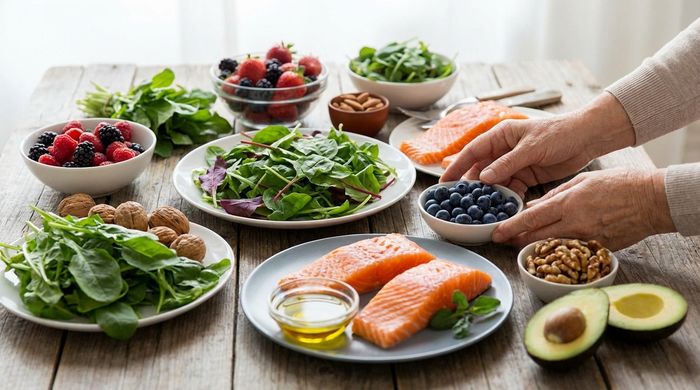
Leafy greens are nutritional powerhouses. They are exceptionally rich in vitamin K, which helps protect your arteries and promotes proper blood clotting. Furthermore, they are packed with dietary nitrates. When you consume these nitrates, your body converts them into nitric oxide, a compound that relaxes and dilates your blood vessels, effectively lowering your blood pressure and reducing arterial stiffness.
2. Fresh and Frozen Berries
Blueberries, strawberries, raspberries, and blackberries are loaded with antioxidants, particularly a specific type called anthocyanins. These compounds give berries their vibrant colors and possess intense anti-inflammatory properties. Regular consumption of berries has been consistently linked to reduced oxidative stress—a primary driver of cardiovascular damage. I love tossing a handful of frozen blueberries into my morning oatmeal.
3. Fatty Fish (Salmon, Mackerel, Sardines)
When it comes to animal protein, cold-water fatty fish reign supreme. They are the premier source of long-chain Omega-3 fatty acids (EPA and DHA). These fats are crucial for keeping your heartbeat regular, lowering triglycerides, and slowing the growth rate of atherosclerotic plaque. Aiming for two servings of fatty fish per week is a standard recommendation that yields significant longevity benefits.
4. Walnuts and Almonds
Nuts are incredibly satiating and heart-protective. Walnuts, in particular, are unique because they provide a high amount of alpha-linolenic acid (ALA), a plant-based Omega-3. Almonds deliver a fantastic dose of vitamin E, an antioxidant that helps stop the oxidation of LDL cholesterol (it is the oxidized LDL that sticks to your artery walls). A small handful a day is the perfect snack.
5. Whole Oats and Barley
The magic of oats and barley lies in a specific type of soluble fiber called beta-glucan. As I mentioned earlier, this fiber forms a gel-like substance in your gut that traps cholesterol-rich bile acids, forcing your body to pull cholesterol from the blood to make more bile. This directly lowers your circulating LDL cholesterol levels. Skip the highly sweetened instant packets and opt for steel-cut or rolled oats.
6. Extra Virgin Olive Oil (EVOO)
Extra virgin olive oil is the golden elixir of the Mediterranean diet. It is comprised mostly of oleic acid, a monounsaturated fat that beautifully manages inflammation. Beyond the fats, authentic EVOO contains powerful phenolic compounds that offer profound cardiovascular protection. I strongly advise using it as your primary cooking oil and as a base for all your salad dressings.
7. Beans, Lentils, and Legumes
Beans are an extraordinary, cost-effective source of plant protein and fiber. Whether you prefer black beans, chickpeas, or lentils, they all significantly improve blood lipid profiles. Because they digest slowly, they prevent blood sugar spikes, which is vital since insulin resistance is a major risk factor for heart disease. They are a staple in almost every Blue Zone (areas of the world where people live the longest).
8. Tomatoes
Tomatoes are packed with a powerful antioxidant known as lycopene. Interestingly, cooking tomatoes actually increases the bioavailability of lycopene, meaning your body absorbs it much better from tomato sauce or paste than from a raw tomato. Lycopene has been shown to improve the function of the inner lining of your blood vessels, promoting healthy blood flow.
9. Dark Chocolate (70% Cacao or Higher)
Yes, you can have chocolate! However, it must be dark chocolate with a high cacao percentage. The cacao bean is rich in flavonoids, which can help lower blood pressure and reduce the risk of blood clots. Remember that moderation is key here, as chocolate is still calorie-dense. A small square or two after dinner is a fantastic way to satisfy your sweet tooth while supporting your heart.
10. Avocados
Avocados are a brilliant source of heart-healthy monounsaturated fats, similar to olive oil. Moreover, they are incredibly rich in potassium—a mineral that many Americans fall short on. Potassium is vital for heart health because it helps ease tension in your blood vessel walls, actively lowering blood pressure. Adding half an avocado to your daily diet can make a measurable difference in your lipid profiles.
To give you a clearer picture of how these foods work together, I have created a simple reference table for you below:
| Heart-Healthy Food | Key Nutrient | Primary Cardiovascular Benefit |
|---|---|---|
| Leafy Greens | Dietary Nitrates, Vitamin K | Lowers blood pressure, improves arterial function |
| Berries | Anthocyanins (Antioxidants) | Reduces oxidative stress and inflammation |
| Fatty Fish | Omega-3 Fatty Acids | Lowers triglycerides, regulates heartbeat |
| Oats & Barley | Beta-Glucan (Soluble Fiber) | Directly lowers circulating LDL cholesterol |
| Extra Virgin Olive Oil | Monounsaturated Fats, Phenols | Manages inflammation, protects blood vessels |
Foods to Limit or Avoid for Optimal Heart Health
Adding good foods is only half the equation; we must also address what to minimize. In the US, our diets are often overloaded with hidden dangers. First and foremost, strictly limit ultra-processed foods. These items usually contain high levels of added sodium, which forces your body to retain water, driving up blood pressure and putting immense strain on your heart and blood vessels.
Furthermore, be vigilant about added sugars, especially those found in sugary beverages, sodas, and baked goods. High sugar intake is strongly correlated with obesity, type 2 diabetes, and systemic inflammation—all fast tracks to heart disease. Finally, minimize your intake of processed meats (like hot dogs, bacon, and deli meats), which are heavily preserved and linked to increased cardiovascular risks. Focus on fresh, whole ingredients whenever possible.
Building Sustainable Heart-Healthy Habits in the US
I know that completely overhauling your diet can feel overwhelming, so my advice is to start small. Begin by making simple swaps. If you usually have a sugary cereal for breakfast, try switching to oatmeal with a handful of berries and walnuts. If you typically use butter in your pan, grab the olive oil instead. These micro-habits compound over time into massive health benefits.
When you navigate your local grocery store, try to spend most of your time on the perimeter. That is where the fresh produce, fish, and dairy alternatives usually live. The inner aisles are heavily populated with the ultra-processed items we want to avoid. Cooking at home more often gives you complete control over your sodium and fat intake, which is incredibly difficult to manage when dining out.

Verdict and Conclusions
Ultimately, the ultimate heart-healthy diet is not a temporary fix; it is a lifelong commitment to providing your body with premium fuel. By prioritizing whole, nutrient-dense foods like leafy greens, berries, fatty fish, and olive oil, you are actively investing in your longevity. You are giving your cardiovascular system the tools it needs to remain flexible, strong, and clear of dangerous blockages.
Remember, every meal is an opportunity to nourish your heart. In my experience, the moment you shift your mindset from "what I cannot eat" to "look at all this delicious food that heals my body," the entire process becomes enjoyable. Make these changes at your own pace, stay consistent, and your heart will undoubtedly thank you for years to come with increased energy, vitality, and a longer, richer life.