Clean Recipes to Lower Cholesterol
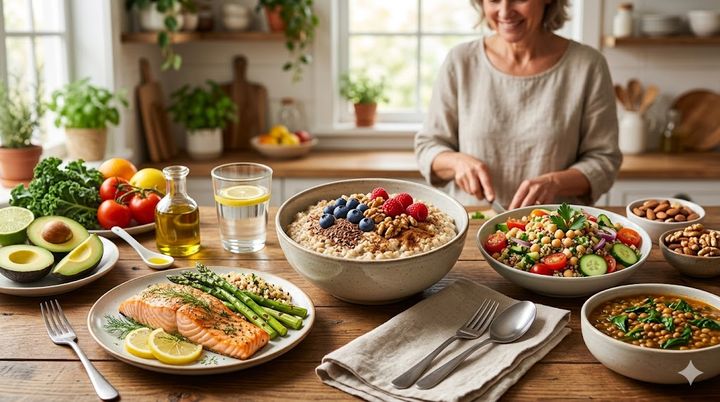
When you get your blood work results back and see that your cholesterol levels are creeping up, it is completely normal to feel a sudden wave of worry. We rely on our bodies to carry us through life, and seeing numbers that indicate a potential risk can be deeply unsettling. However, I want to reassure you that you hold an incredible amount of power to change those numbers through the daily choices you make in your kitchen. Lowering cholesterol is not about depriving yourself of flavor or joy. Instead, it is about embracing whole, vibrant foods that actively work to heal your body from the inside out.
Clean eating focuses on consuming foods in their most natural state, eliminating processed sugars, trans fats, and artificial additives that burden your cardiovascular system. By flooding your system with soluble fiber, healthy omega-3 fatty acids, and powerful antioxidants, you can naturally lower low-density lipoprotein (LDL), which is often referred to as the bad cholesterol, while boosting your high-density lipoprotein (HDL), the good cholesterol that protects your heart. Adapting an ultimate heart healthy dietdoes not have to be a complicated scientific equation; it can simply be an exploration of delicious, fresh ingredients.
Understanding the Power of Cholesterol-Lowering Foods
Before we get into the kitchen to prepare meals, it helps to understand why certain foods are so effective at managing your lipid profile. Soluble fiber is the absolute superstar when it comes to cholesterol management. When you consume soluble fiber, it turns into a gel-like substance in your digestive tract. This gel binds to cholesterol particles and escorts them out of your body before they ever have the chance to enter your bloodstream. It is a natural, mechanical detox for your arteries.
Similarly, unsaturated fats, particularly monounsaturated and polyunsaturated fats, play a critical role. While saturated fats from processed meats and heavy dairy can raise your LDL, unsaturated fats found in avocados, olive oil, and nuts actively help lower your LDL while maintaining your HDL. If you are struggling with where to start, looking into a structured 7-day clean eating plancan provide the blueprint you need to build these habits without feeling overwhelmed.
The Cardiovascular Superfoods Table
To make your grocery shopping easier, I have put together a table of the most potent cholesterol-lowering ingredients. Keep your pantry stocked with these items, and you will always be just a few minutes away from a heart-healing meal.
| Superfood Ingredient | Primary Nutrient | Heart Health Benefit |
|---|---|---|
| Oats and Barley | Beta-Glucan (Soluble Fiber) | Binds to cholesterol in the intestines, preventing absorption into the bloodstream. |
| Walnuts and Almonds | Monounsaturated Fats | Improves blood vessel function and significantly lowers LDL cholesterol. |
| Fatty Fish (Salmon, Mackerel) | Omega-3 Fatty Acids | Lowers triglycerides and increases good HDL cholesterol to protect arteries. |
| Beans and Lentils | Plant Protein & Fiber | Replaces saturated animal fats in meals while providing exceptional fiber density. |
| Avocados | Oleic Acid & Plant Sterols | Blocks the absorption of cholesterol from food and lowers existing LDL. |
Nourishing Breakfast Recipes
Breakfast is your first opportunity of the day to set your metabolism on the right track and flood your system with cholesterol-fighting nutrients. Starting your day with whole grains and fruits ensures a slow, steady release of energy without spiking your blood sugar.
1. Steel-Cut Oats with Mixed Berries and Walnuts
Steel-cut oats are less processed than rolled oats, meaning they retain more of their structural integrity and fiber content. This recipe provides a massive dose of beta-glucan.
- 1/2 cup dry steel-cut oats
- 1.5 cups unsweetened almond milk or water
- 1/2 cup fresh or frozen blueberries (high in antioxidants)
- 1 tablespoon ground flaxseed
- 1/4 cup chopped raw walnuts
- A dash of cinnamon
In a small saucepan, bring the almond milk to a gentle boil. Stir in the steel-cut oats, reduce the heat to a low simmer, and cover. Let it cook for about 20 minutes, stirring occasionally, until the oats are tender and creamy. Remove from the heat and stir in the ground flaxseed and cinnamon. Pour the oatmeal into a bowl and top with the vibrant blueberries and crunchy walnuts. The healthy fats from the walnuts combined with the soluble fiber from the oats make this the ultimate cholesterol-busting breakfast.
2. Creamy Avocado and Chia Seed Pudding
Chia seeds are tiny powerhouses packed with omega-3s and fiber. When combined with the monounsaturated fats from avocado, this creates a deeply satisfying, creamy morning meal.
- 3 tablespoons whole chia seeds
- 1 cup unsweetened oat milk
- 1/2 ripe avocado, mashed until smooth
- 1 teaspoon pure vanilla extract
- Slices of fresh strawberry for topping
The night before, mix the chia seeds, oat milk, and vanilla extract in a mason jar. Stir thoroughly, wait five minutes, and stir again to prevent clumping. Place the jar in the refrigerator overnight. In the morning, mash half an avocado until it is completely smooth and gently fold it into the thickened chia pudding. The avocado adds a rich, velvety texture and provides oleic acid, which naturally helps reduce inflammation and lower LDL. Top with fresh strawberries for a touch of natural sweetness.
Vibrant, High-Fiber Lunches
Lunch is the perfect time to incorporate plant-based proteins. Legumes, such as beans and lentils, are incredibly filling, cheap, and offer some of the highest fiber contents available in the human diet.
3. Mediterranean Quinoa and Roasted Chickpea Salad
Drawing inspiration from the Mediterranean diet, this salad relies on heart-healthy olive oil and high-fiber legumes.
- 1 cup cooked quinoa (cooled)
- 1 can (15 oz) chickpeas, rinsed, drained, and roasted
- 1 cup cherry tomatoes, halved
- 1/2 English cucumber, diced
- 1/4 red onion, finely chopped
- Dressing: 2 tbsp extra virgin olive oil, 1 tbsp fresh lemon juice, 1 tsp dried oregano.
To prepare the chickpeas, toss them in a little olive oil and bake at 400°F (200°C) for 20 minutes until crunchy. In a large serving bowl, combine the cooked quinoa, roasted chickpeas, cherry tomatoes, cucumber, and red onion. In a smaller bowl, whisk together the extra virgin olive oil, lemon juice, and oregano. Pour the dressing over the salad and toss until everything is beautifully coated. The olive oil provides phenomenal heart protection, while the quinoa and chickpeas offer enough fiber to keep you full and satisfied well into the afternoon.
4. Hearty Lentil and Spinach Stew
Lentils are exceptional because they require no soaking and cook very quickly. They are rich in complex carbohydrates and soluble fiber.
- 1 cup dry green or brown lentils, rinsed
- 4 cups low-sodium vegetable broth
- 2 carrots, peeled and diced
- 2 stalks celery, diced
- 1 onion, finely chopped
- 3 cups fresh baby spinach
- 2 cloves garlic, minced
In a large pot, sauté the onion, carrots, celery, and garlic in a splash of water or a tiny drop of olive oil until they are softened and fragrant. Add the rinsed lentils and the vegetable broth. Bring the mixture to a boil, then immediately reduce the heat to low, cover the pot, and let it simmer for about 25 to 30 minutes, or until the lentils are completely tender. In the last two minutes of cooking, stir in the fresh baby spinach and let it wilt. This warm, comforting stew is fantastic for meal prep and is a cornerstone for anyone seeking satisfying, anti-inflammatory recipes.
Satisfying, Clean Dinners
Your evening meal should be nourishing but not overly heavy, focusing on lean proteins and a rainbow of vegetables. By replacing heavy red meats with fish or plant-based proteins, you significantly reduce your intake of saturated fats.
5. Baked Wild-Caught Salmon with Lemon and Asparagus
Salmon is one of the most effective foods for managing cholesterol due to its incredible concentration of Omega-3 fatty acids, which actively lower triglycerides in the blood.
- 2 wild-caught salmon fillets (about 6 oz each)
- 1 large bunch of asparagus, tough ends trimmed
- 1 fresh lemon, sliced
- 1 tablespoon extra virgin olive oil
- 1 teaspoon dried dill and a pinch of black pepper
Preheat your oven to 400°F (200°C). On a large baking sheet lined with parchment paper, arrange the trimmed asparagus in a single layer. Drizzle half of the olive oil over the asparagus. Place the salmon fillets directly on top of the asparagus bed. Brush the remaining olive oil over the salmon, then sprinkle with the dried dill and black pepper. Lay the fresh lemon slices over the fish. Bake for 12 to 15 minutes, depending on the thickness of the fillets, until the salmon is opaque and flakes easily with a fork. This is a quick, one-pan meal that delivers maximum cardiovascular benefits with minimal cleanup.
6. Black Bean and Sweet Potato Nourish Bowl
Sweet potatoes are rich in antioxidants and complex carbs, while black beans bring protein and a massive amount of soluble fiber to the table. This is plant-based eating at its finest.
- 1 large sweet potato, cubed
- 1 can (15 oz) black beans, rinsed and drained
- 2 cups fresh kale, chopped
- 1/2 avocado, sliced
- 1 teaspoon cumin and 1 teaspoon smoked paprika
- Juice of half a lime
Toss the cubed sweet potato with a small amount of olive oil, cumin, and smoked paprika. Roast in the oven at 400°F (200°C) for 25 minutes until tender and caramelized at the edges. While the potatoes roast, gently warm the black beans in a small saucepan. Massage the chopped kale with the fresh lime juice for two minutes; this breaks down the tough fibers and makes the kale tender and easy to digest. Assemble your bowl by placing a bed of the massaged kale at the bottom, topping it with the warm black beans, roasted sweet potatoes, and fresh avocado slices. The combination of textures and the massive nutritional profile make this a champion dinner for lowering LDL.
Beyond the Plate: Enhancing Your Results
While diet is arguably the most critical component of cholesterol management, how you live outside the kitchen amplifies the results of your clean eating. Your body is a deeply interconnected system. When you move your body, you actively increase your HDL (good cholesterol), which then acts like a scavenger, roaming your bloodstream to pick up excess LDL and carry it back to your liver for processing. Incorporating the best exercises for heart health, such as brisk walking, swimming, or cycling for just 30 minutes a day, creates a profound synergy with your new diet.
Furthermore, chronic stress can cause your body to produce more cholesterol as a protective response to inflammation. Managing your stress through adequate sleep, deep breathing, and hydration ensures that the clean recipes you are cooking are able to work at their maximum potential. Taking control of your health is a holistic journey. By making these beautiful, delicious meals part of your daily routine, you are sending a powerful message of care and healing to your heart.
A Final Word on Your Heart Health Journey
Lowering your cholesterol naturally is entirely possible when you equip yourself with the right ingredients and the knowledge to prepare them. Celebrate the flavors of these clean recipes, trust in the process, and know that with every high-fiber, nutrient-dense bite, you are paving the way to a stronger, healthier, and more vibrant cardiovascular system. Stay consistent, enjoy your food, and your numbers will reflect your dedication.
© Copyright SorinBlogger
