
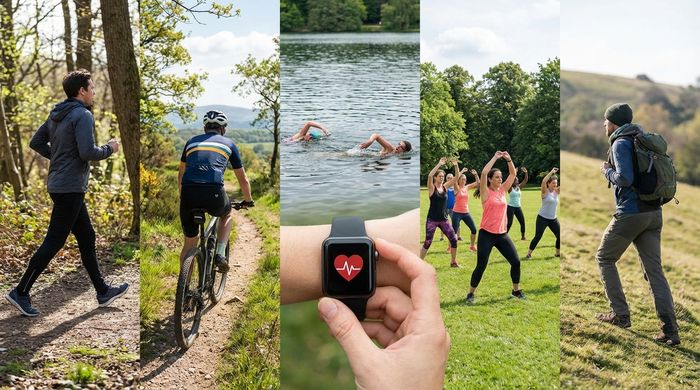
Cardiovascular wellness is one of the most critical aspects of maintaining a long, vibrant life, especially here in the United States where heart-related issues are incredibly prevalent. I am frequently asked by readers how they can take actionable, natural steps to fortify their cardiovascular systems without instantly relying on clinical interventions. The human heart is, at its core, a highly resilient muscle. Just like the muscles in your arms or legs, your heart requires consistent, targeted conditioning to maintain its strength, pump blood efficiently, and ward off the stiffness that often accompanies aging. When we discuss the best exercises to improve heart health naturally, we are diving into a proactive lifestyle shift that yields phenomenal dividends for your long-term vitality.
Engaging in regular physical activity does much more than just burn calories. From a physiological standpoint, a structured exercise regimen enhances your heart's stroke volume—meaning it can pump more blood with each beat, lowering your resting heart rate. It also stimulates the release of nitric oxide in the bloodstream, a vital molecule that keeps your blood vessels flexible and dilated, thereby naturally reducing blood pressure. Whether you are an absolute beginner taking your first steps toward fitness or someone looking to optimize their routine, I want to share my comprehensive insights into the top five modalities that will transform your cardiovascular health. Let us explore these life-changing exercises together.

1. Brisk Walking: The Accessible Cardiovascular King
I always recommend brisk walking as the ultimate starting point for anyone looking to improve their heart health naturally. Its beauty lies entirely in its simplicity and accessibility. You do not need an expensive gym membership or complex equipment to start walking. By stepping out of your front door and engaging in a brisk, continuous walk, you immediately begin demanding more oxygen, which forces your heart to beat slightly faster and your lungs to expand deeper. The American Heart Association consistently champions brisk walking, suggesting that achieving 150 minutes of moderate-intensity aerobic exercise weekly can dramatically reduce your risk of coronary artery disease.
When you maintain a brisk pace—typically considered to be around 3.0 to 4.0 miles per hour—you enter what fitness professionals call "Zone 2" cardio. This steady-state cardiovascular exertion is magical for the heart. It encourages the development of new, tiny blood vessels (capillaries) within your muscle tissue. This network expansion means your heart does not have to work as hard to push blood to your extremities. Furthermore, walking regularly has been clinically shown to lower LDL (the "bad" cholesterol) while elevating HDL (the "good" cholesterol), creating a much healthier lipid profile within your bloodstream.
2. Swimming: A Full-Body Heart Booster
If you suffer from joint pain, arthritis, or are carrying excess weight that makes impact sports uncomfortable, swimming is an unparalleled choice. I consider swimming to be one of the most elegant forms of cardiovascular conditioning because the water provides natural buoyancy, supporting your body weight while simultaneously offering omnidirectional resistance. Every kick, pull, and push you make in the pool requires significant muscular effort, which in turn demands a high volume of oxygenated blood from your heart.
Interestingly, the hydrostatic pressure of the water exerts a gentle, continuous squeeze on your body. This pressure assists in venous return—the process of pushing blood from your limbs back up to your heart. Consequently, your heart gets an excellent workout without the severe spikes in heart rate that you might experience while running on hard pavement. Regular swimming sessions can significantly improve your endothelial function, which is the health of the inner lining of your blood vessels. To help you understand the varying impacts, I have created a brief comparison table:
| Feature | Brisk Walking | Swimming |
|---|---|---|
| Joint Impact | Low to Moderate | Zero Impact |
| Muscle Engagement | Primarily Lower Body | Full Body |
| Heart Rate Response | Gradual Increase | Maintained Steady High |
3. Cycling: Pedal Your Way to Cardiovascular Fitness
Cycling is another exceptionally effective exercise for boosting heart health naturally. Whether you prefer traversing the scenic trails of your local park on a road bike or participating in a high-energy indoor spin class, the mechanical action of pedaling engages the largest muscle groups in your body—specifically your quadriceps, hamstrings, and glutes. Because these muscles are massive, they require massive amounts of oxygen when actively engaged. This forces your heart to act as a powerful pump, dramatically improving your cardiovascular endurance and VO2 max over time.
I actively encourage readers to incorporate cycling into their routines because it allows for easy adjustments in intensity. You can leisurely pedal on a flat surface to enjoy a gentle fat-burning cardiovascular workout, or you can tackle steep inclines to push your heart rate into higher anaerobic zones, mimicking the effects of High-Intensity Interval Training (HIIT). Cycling is incredibly efficient at clearing fatty deposits from your arteries over the long term and preventing the onset of metabolic syndrome, a major precursor to severe cardiac events.
4. Strength Training: Building Muscle for a Lighter Heart Load
There is a widespread misconception that only aerobic exercises like running or swimming benefit the heart. I am here to correct that notion entirely. Strength training—utilizing free weights, resistance bands, or even your own body weight—is indispensable for comprehensive heart health. When you build lean muscle mass, your body becomes more metabolically active. This means you burn more calories at rest, which aids in weight management. Excess body fat, particularly visceral fat around the abdomen, is notoriously detrimental to cardiovascular health because it releases inflammatory compounds into the bloodstream.
Furthermore, having stronger muscles means that physical tasks—whether that is carrying heavy groceries or climbing a flight of stairs—require less effort. Consequently, your heart does not have to spike its rate drastically to supply oxygen during daily chores. Resistance training also plays a massive role in reducing peripheral resistance in your blood vessels. I highly advise incorporating at least two non-consecutive days of strength training into your weekly regimen, focusing on compound movements like squats, lunges, and push-ups to yield the highest cardiovascular returns.
5. Yoga and Mindful Stretching: Lowering Stress and Blood Pressure
Heart health is not solely about intense physical exertion; it is equally dependent on stress management and recovery. High levels of chronic stress flood your body with cortisol and adrenaline, which constrict your blood vessels and elevate your blood pressure to dangerous levels. This is why I am a staunch advocate for yoga and mindful stretching. Yoga profoundly activates the parasympathetic nervous system, which is your body's "rest and digest" mode. By engaging in deep, diaphragmatic breathing linked with deliberate postures, you signal to your heart that it is safe to slow down.
Recent studies have demonstrated that regular yoga practice can decrease arterial stiffness. Flexible arteries are crucial because they expand and contract easily, allowing blood to flow unimpeded. To get you started, I have highlighted a few key yoga poses that are specifically known to promote cardiovascular relaxation:
| Yoga Pose | Heart Health Benefit |
|---|---|
| Downward-Facing Dog | Encourages blood flow to the brain, easing the heart's pumping burden. |
| Bridge Pose | Opens the chest cavity, promoting deeper breathing and lowering blood pressure. |
| Corpse Pose (Savasana) | The ultimate restorative pose for deeply reducing heart rate and combating stress. |
Essential Tips for Maximizing Your Heart Health Routine
Knowing the best exercises is only half the battle; execution is where true progress lies. I want to ensure you maximize your results while remaining safe. Firstly, consistency will always trump intensity. It is far better to engage in a 30-minute brisk walk five days a week than to push yourself through an exhausting two-hour session only once a week. Your heart thrives on regular, predictable conditioning.
Secondly, always prioritize an adequate warm-up and cool-down phase. Suddenly spiking your heart rate from a resting state can put unnecessary strain on your cardiovascular system. Start your routines with five to ten minutes of light, dynamic movements. Similarly, cooling down allows your blood vessels to gradually return to their normal state, preventing sudden drops in blood pressure that can lead to dizziness. Finally, complement your physical efforts with a heart-healthy diet rich in omega-3 fatty acids, leafy greens, and proper hydration to give your body the exact nutrients it needs to repair and strengthen your heart muscle.

My Final Verdict on Exercises for Heart Health
Taking natural control of your cardiovascular wellness is an incredibly empowering journey. Through a thoughtful combination of brisk walking, swimming, cycling, strength training, and mindful practices like yoga, you provide your heart with the holistic conditioning it desperately needs. I believe that integrating these five exercises into your weekly routine will yield profound improvements in your endurance, blood pressure, and overall quality of life. The best exercise is ultimately the one you will consistently perform. Listen to your body, celebrate your small victories, and commit to moving with purpose every single day. Your heart will undoubtedly thank you for years to come.
Word count: 1684 words.