Heart disease remains the leading cause of mortality in the United States, yet many of its risk factors are within our control. The most powerful tool we possess for cardiovascular protection isn't found in a pharmacy, but in our kitchens. A heart-healthy diet is more than just a list of restricted items; it is a vibrant, nutrient-dense approach to eating that fuels your cells, reduces systemic inflammation, and fortifies your arteries. By choosing specific "superfoods" backed by clinical research, you can significantly lower your blood pressure, optimize cholesterol levels, and ultimately extend your lifespan.

The Foundations of Cardiovascular Longevity
Longevity is not merely about surviving; it is about thriving with a high quality of life. The heart is the engine of this vitality. To maintain it, we must focus on dietary patterns that provide antioxidants, healthy fats, and fiber. Chronic inflammation is the silent architect of plaque buildup in the arteries (atherosclerosis). When we consume foods that neutralize this inflammation, we effectively slow down the biological aging process of our vascular system.
In the U.S., the standard diet is often high in processed sugars and trans fats, which place an immense burden on the heart. Transitioning to a longevity-focused diet involves a shift toward whole, plant-based foods, lean proteins, and unsaturated fats. Let’s explore the top 10 foods that should serve as the cornerstone of your daily nutrition.
1. Fatty Fish: The Omega-3 Powerhouse
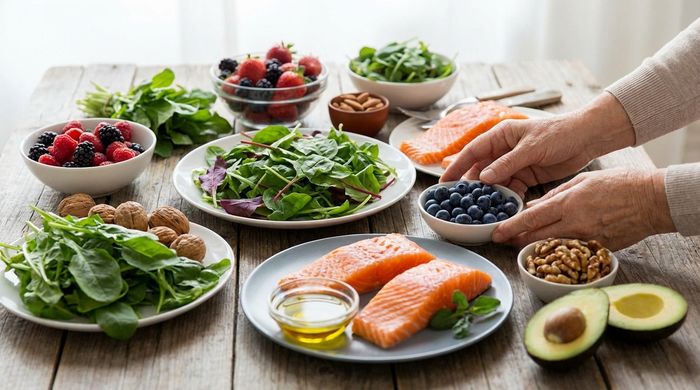
Fatty fish such as salmon, mackerel, sardines, and trout are arguably the most critical foods for heart health. They are rich in Omega-3 fatty acids, specifically EPA and DHA. These essential fats are known to reduce triglycerides, lower blood pressure, and prevent heart rhythm irregularities. Clinical studies have shown that regular consumption of fatty fish can reduce the risk of sudden cardiac death by up to 33%.
2. Leafy Green Vegetables: Nature's Nitrates
Spinach, kale, and collard greens are packed with vitamins, minerals, and antioxidants. Perhaps most importantly, they are a major source of dietary nitrates. Once consumed, these nitrates are converted into nitric oxide, a molecule that helps dilate blood vessels, improving circulation and reducing the workload on the heart. They are also high in Vitamin K, which protects your arteries and promotes proper blood clotting.
3. Berries: Antioxidant Defense
Strawberries, blueberries, blackberries, and raspberries are loaded with anthocyanins. These antioxidants protect against the oxidative stress and inflammation that contribute to the development of heart disease. Integrating a handful of berries into your breakfast can help improve the function of the cells that line your blood vessels and control blood pressure.
4. Whole Grains: The Fiber Foundation
Unlike refined grains, whole grains like oats, quinoa, brown rice, and whole wheat contain all three parts of the grain: the bran, germ, and endosperm. This provides a high dose of soluble fiber, which actively binds to cholesterol in the digestive system and drags it out of the body before it can reach the bloodstream. This significantly lowers LDL (the "bad") cholesterol levels.
Nutritional Profiles of Heart-Healthy Superfoods
| Food Item | Key Nutrient | Primary Heart Benefit |
|---|---|---|
| Fatty Fish | Omega-3 Fatty Acids | Reduces Triglycerides |
| Leafy Greens | Nitrates & Vit K | Lowers Blood Pressure |
| Walnuts | Alpha-linolenic acid | Improves Artery Function |
| Avocados | Monounsaturated Fats | Lowers LDL Cholesterol |
| Dark Chocolate | Flavonoids | Boosts Nitric Oxide |
5. Walnuts: The Brain-Shaped Heart Booster
All nuts are beneficial, but walnuts are the kings of heart health. They are an incredible source of fiber and micronutrients like magnesium, copper, and manganese. Research indicates that incorporating walnuts into your diet can help protect against heart disease by reducing "bad" LDL cholesterol and improving the overall function of your blood vessels. They are also incredibly satiating, helping with weight management, which is a key factor in heart health.
6. Beans and Legumes: Soluble Fiber Gems
Beans, lentils, and chickpeas are resistant to digestion and are fermented by beneficial bacteria in your gut. This process has been shown to lower blood levels of triglycerides and LDL cholesterol. Because they are low on the glycemic index, they also help stabilize blood sugar, preventing the insulin spikes that can damage the delicate lining of your arteries over time.
7. Avocados: The Healthy Fat Essential
Avocados are an excellent source of heart-healthy monounsaturated fats, which have been linked to reduced levels of cholesterol and a lower risk of heart disease. They are also incredibly high in potassium, a nutrient that is essential to heart health. In fact, one avocado provides about 28% of your daily potassium needs. Adequate potassium intake is directly linked to lower blood pressure and a reduced risk of stroke.
8. Extra Virgin Olive Oil: The Mediterranean Secret
A staple of the Mediterranean diet, extra virgin olive oil is packed with antioxidants and healthy monounsaturated fats. It is famous for its ability to reduce inflammation and decrease the risk of chronic disease. One of its most impressive benefits is its ability to lower the risk of heart disease and stroke by protecting LDL cholesterol from oxidation and improving the lining of the blood vessels.
9. Dark Chocolate: A Heart-Healthy Indulgence
Yes, chocolate can be heart-healthy, provided it is at least 70% cocoa. Dark chocolate is rich in flavonoids, which are antioxidants that can boost heart health. Multiple studies have associated chocolate consumption with a lower risk of heart disease, stroke, and diabetes. Flavonoids help the body produce nitric oxide, which causes blood vessels to relax and blood pressure to drop.
10. Seeds (Chia, Flax, and Hemp): Tiny but Mighty
Chia seeds, flaxseeds, and hemp seeds are great sources of heart-healthy nutrients, including fiber and omega-3 fatty acids. These seeds can improve many heart disease risk factors, including inflammation, blood pressure, cholesterol, and triglycerides. For example, flaxseeds have been shown to help keep blood pressure under control and reduce cholesterol levels significantly when consumed daily.
How to Implement a Longevity Diet Daily
Knowing which foods are healthy is only half the battle; the other half is integrating them into a sustainable lifestyle. You don't need to overhaul your entire pantry overnight. Start by making small, impactful swaps. Instead of using butter or margarine, switch to olive oil. Instead of a processed snack, grab a handful of walnuts or an apple with almond butter.
- Meal Prep with Purpose: Prepare a large batch of quinoa or beans at the start of the week to easily add to salads and bowls.
- Focus on Color: Aim to have at least three different colors of vegetables on your plate at dinner.
- Limit Sodium: Use herbs and spices like turmeric, garlic, and rosemary to flavor food instead of salt, which can drive up blood pressure.
Consistency is the most important factor in nutritional science. The benefits of these foods accumulate over months and years. By making these "longevity foods" your default choice, you are essentially investing in a future version of yourself that is more energetic, mobile, and heart-resilient.
The Role of Lifestyle in Heart Longevity
While diet is paramount, it does not exist in a vacuum. To maximize the longevity benefits of these 10 foods, you must also address other pillars of health. Regular physical activity—even just 30 minutes of walking a day—strengthens the heart muscle and improves the efficiency of your circulatory system. Sleep is another critical factor; during deep sleep, your body repairs damaged tissues and regulates the hormones that control hunger and stress.
Stress management through meditation or social connection also lowers cortisol levels, which, when chronically elevated, can lead to weight gain and arterial stiffness. When you combine a heart-healthy diet with these lifestyle habits, you create a synergistic effect that drastically tilts the odds of a long, healthy life in your favor.

Verdict: Your Journey to a Stronger Heart
The "Ultimate Heart-Healthy Diet" isn't a temporary fix; it's a lifelong commitment to self-care. By prioritizing these 10 foods—fatty fish, leafy greens, berries, whole grains, walnuts, beans, avocados, olive oil, dark chocolate, and seeds—you are giving your heart the biological tools it needs to function at peak performance. Science shows that it is never too late to start. Whether you are 25 or 65, the cardiovascular system is remarkably resilient and responds quickly to improved nutrition. Take the first step today by adding one of these superfoods to your next meal. Your future self will thank you for the extra years of health and vitality.
