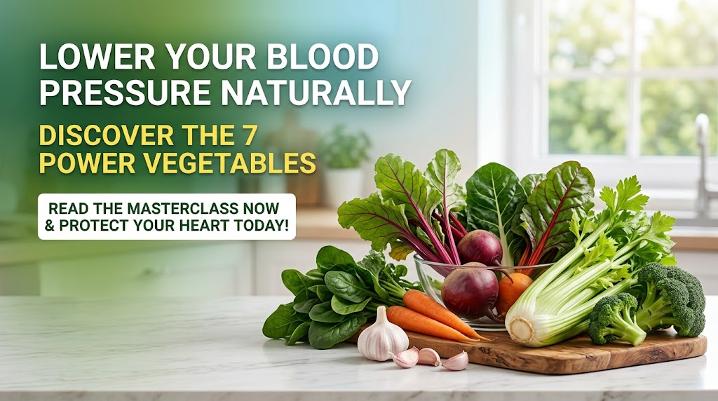
7 Vegetables That May Help Lower Blood Pressure Naturally
High blood pressure is often called a silent condition, but your plate holds immense power. Everyday dietary choices directly alter vascular tone, arterial wall elasticity, and renal fluid excretion within hours.
Want to know the best part?
Certain vegetables contain bioactive compounds that dilate blood vessels naturally. By integrating specific plant-based powerhouses into your meals, you can actively support your cardiovascular system alongside a heart-healthy diet longevity plan.
How Specific Plant Compounds Regulate Vascular Tone
Your arteries are not rigid pipes; they are dynamic, muscular tubes lined with endothelial cells. These cells signal surrounding smooth muscle tissue to relax or constrict based on chemical cues.
When you consume inorganic nitrate, oral bacteria convert it into nitrite. Stomach acid and vascular enzymes then transform that nitrite into nitric oxide gas.
Nitric oxide acts as an internal vasodilator, expanding vessel diameter and instantly reducing peripheral vascular resistance. The result is a smooth, uninhibited blood flow throughout the body.
The Critical Role of Electrolyte Balance
Modern diets overload the body with excessive sodium chloride, forcing the kidneys to retain fluid. Extra vascular fluid volume raises blood pressure against your artery walls.
Here is where mineral-dense produce changes the game.
Consuming high-potassium foods for energy prompts your kidneys to excrete sodium via urine while easing arterial wall tension.
1. Red Beets: The Nitric Oxide Powerhouse
Red beetroot is arguably the most researched root vegetable in modern cardiology. Its high concentration of dietary inorganic nitrates makes it exceptionally potent.
Clinical trials reveal that drinking fresh beetroot juice can drop systolic blood pressure within hours. The peak vascular widening effect typically occurs between three and six hours post-ingestion.
You can roast them whole, grate raw roots over salads, or blend them into morning recovery shakes. Pair them with healthy fats to enhance fat-soluble nutrient absorption.
2. Spinach: The Triple-Action Mineral Engine
Spinach delivers an exceptional cardiovascular trifecta: lutein, nitrates, and bioavailable magnesium. This dark green staple actively reduces arterial stiffness.
If you battle muscle cramps or restless nights, check magnesium deficiency signs and food sources to see why leafy greens are vital. Magnesium regulates cellular calcium influx, preventing sudden arterial spasms.
Lightly steam your spinach rather than boiling it for long periods. Gentle steaming keeps the delicate nitrates and polyphenols fully bioavailable for your body.
3. Swiss Chard: High-Potassium Vascular Support
Swiss chard is an outstanding yet frequently overlooked dietary ally for cardiovascular longevity. Just one cooked cup provides nearly a gram of natural potassium.
It also supplies plant polyphenols and flavonoids like syringic acid. These compounds help stabilize blood sugar swings that otherwise irritate delicate capillary walls.
Sauté chopped chard stems and rainbow leaves in cold-pressed extra virgin olive oil with minced garlic. This simple dish provides pure endothelial nourishment.
4. Garlic: The Natural Allicin Arterial Relaxer
Garlic has served as a cornerstone of traditional herbal medicine for thousands of years. Modern cardiovascular research confirms that fresh allium species support low vascular resistance.
The primary bioactive agent is allicin, an organosulfur compound produced when garlic cloves are crushed. Allicin increases nitric oxide bioavailability and inhibits angiotensin-converting enzyme activity.
Always crush or chop your garlic cloves and let them rest for ten minutes before applying heat. That brief resting period allows the alliinase enzyme to generate active allicin.
5. Celery: Natural Phthalides for Artery Flexibility
Celery contains active phytochemicals called 3-n-butylphthalide, or NBP. This compound produces measurable relaxation across smooth arterial muscle layers.
When arterial muscles relax, your blood vessels dilate freely, lowering baseline fluid tension. Celery also acts as a mild natural diuretic without draining essential electrolytes.
Eating four whole stalks daily provides clinical amounts of phthalides. Enjoy them raw with hummus, chop them into hearty soups, or juice them with fresh cucumber.
6. Broccoli: Sulforaphane and Endothelial Defense
Cruciferous vegetables hold a coveted position in preventative medicine. Broccoli contains glucoraphanin, which converts into sulforaphane during chewing and enzymatic digestion.
Sulforaphane triggers the Nrf2 genetic pathway, activating internal antioxidant defenses. This shields your inner blood vessel walls from systemic oxidative inflammation.
Consuming sulfur-dense cruciferous foods alongside anti-inflammatory foods for longevity shields your vascular lining from persistent micro-damage.
7. Carrots: Bioactive Phenolics and Vascular Elasticity
Crunchy, sweet, and widely available, carrots supply far more than beta-carotene. They deliver concentrated levels of chlorogenic, p-coumaric, and caffeic acids.
These bioactive phenolic compounds reduce acute vascular inflammation and enhance microcirculation. Observational health tracking associates routine carrot consumption with healthier blood pressure readings across diverse age cohorts.
Eating raw carrots helps preserve their natural bioactive polyphenols and dietary fiber. Fiber binds excess metabolic waste in the gut and supports balanced blood pressure.
Nutritional Comparison of Blood Pressure Lowering Vegetables
Review this breakdown of key micronutrients, primary mechanisms, and ideal preparation methods for each vegetable.
| Vegetable | Key Compounds | Primary Mechanism | Best Consumption Method |
|---|---|---|---|
| Beetroot | Inorganic Nitrates | Nitric oxide-driven vasodilation | Raw cold juice or roasted |
| Spinach | Magnesium, Potassium, Lutein | Smooth muscle arterial relaxation | Lightly steamed or blended |
| Swiss Chard | Potassium, Syringic Acid | Renal sodium excretion | Sautéed in olive oil |
| Garlic | Allicin, Polysulfides | ACE inhibition and NO production | Crushed and rested raw |
| Celery | 3-n-butylphthalide (NBP) | Vascular wall muscular decompression | Whole raw stalks or cold-pressed |
| Broccoli | Sulforaphane, Glucoraphanin | Endothelial antioxidant defense | Steamed 3 to 4 minutes |
| Carrots | Chlorogenic Acid, Pectin | Microvascular inflammation control | Fresh whole raw sticks |
Actionable Ways to Maximize Hypotensive Benefits
Knowing which vegetables to eat is only the first step. How you prepare, combine, and schedule them determines whether your body absorbs their active compounds.
- Avoid using strong antiseptic mouthwash immediately after eating nitrate-dense greens. Antiseptic rinses destroy oral bacteria that convert dietary nitrates into nitric oxide.
- Incorporate healthy monounsaturated fats like avocado or cold-pressed olive oil. These fats increase the absorption of carotenoids and fat-soluble heart nutrients.
- Pair your produce intake with supportive lifestyle choices like those detailed in morning habits for a stronger heart to create compounded cardiovascular benefits.
Frequently Asked Questions
How quickly can these vegetables drop high numbers?
Nitrate-dense foods like beet juice produce measurable arterial dilation within 2 to 3 hours. Long-term structural vascular elasticity, however, requires sustained daily consumption over several weeks.
Can I safely stop taking my prescription medications?
Never adjust prescribed pharmaceuticals without direct supervision from your doctor. Dietary changes complement standard medical therapy; they do not replace acute physician care.
Does cooking vegetables destroy their active nutrients?
Prolonged boiling can leach water-soluble potassium and nitrates into discarded cooking water. Light steaming, roasting, or eating vegetables raw keeps these therapeutic compounds intact.
Integrating these seven vegetables into your weekly meal planning equips your body with the biochemical tools it needs to protect your arteries and maintain a balanced heart rhythm.
© Copyright SorinBlogger
