Top Anti-Inflammatory Foods for Longevity
Persistent joint stiffness, brain fog, and unexplained fatigue can make you feel older than your biological age. It often feels like your body is fighting a constant, invisible internal battle that drains your daily energy reserves.
You can completely alter this trajectory, lower cellular stress, and reclaim your vitality by changing what you put on your plate. This comprehensive guide breaks down the science-backed anti-inflammatory foods engineered to upgrade your cellular defense systems and promote a long, healthy life.
The Silent Threat of Chronic Inflammation
Acute inflammation is a healthy survival tool that helps your body heal from a cut or an infection. However, when systemic inflammation gets stuck in the "on" position, it acts like a slow-burning fire that degrades healthy tissue over several decades.
Here is the truth:
This low-grade cellular stress alters your metabolic settings, damages vascular walls, and accelerates the aging of your brain cells. Leading medical authorities look at biomarkers like C-reactive protein to measure this invisible damage, which underpins major modern health challenges.
How can you stop it?
You can neutralize these inflammatory pathways before they cause lasting damage by choosing specific clean whole foods. Utilizing a targeted menu of defensive compounds lets you shift your internal biochemistry from a state of breakdown to a state of deep, restorative repair.
Top Anti-Inflammatory Foods to Eat Daily
Building a protective shield against cellular decline does not require complicated formulas or exotic health trends. It comes down to adding highly concentrated, nutrient-dense natural choices into your normal meal routine on a regular basis.
1. Deep Leafy Greens
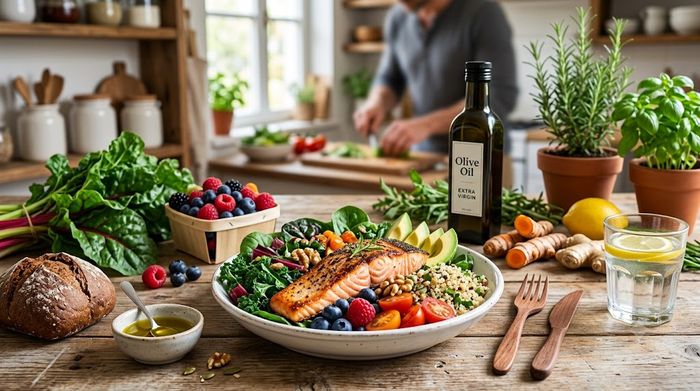
Greens like kale, Swiss chard, and spinach are packed with fat-soluble vitamins, minerals, and specialized carotenoids. These compounds prevent oxidative damage to cell membranes and support the biological process of detoxification inside your liver cells.
They also deliver a clean supply of magnesium, a crucial mineral that many people do not get enough of. Making sure you have optimal magnesium levels helps lower vascular tension and maintains a steady, resilient heartbeat over time.
2. Fatty Fish and Omega-3 Fats
Wild salmon, mackerel, and sardines contain large amounts of eicosapentaenoic acid and docosahexaenoic acid. These healthy fats directly inhibit the production of inflammatory proteins that stress your blood vessels and arterial lining.
Regularly eating these healthy omega-3 fatty acids helps keep your cell structures flexible and responsive. This dietary pattern is closely linked to longevity, as seen in global coastal communities famed for their healthy aging populations.
3. Berries and Anthocyanin Compounds
Blueberries, blackberries, and raspberries owe their deep pigments to a family of protective antioxidants called anthocyanins. These nutrients sweep through your bloodstream to neutralize harmful unstable molecules before they can cause mutations in healthy tissue.
But that's not all:
Berries support metabolic balance by improving how your cells respond to insulin, preventing the blood sugar spikes that cause internal stress. Their high natural fiber content also feeds the beneficial microbes in your digestive tract, keeping your immune system balanced.
4. Extra Virgin Olive Oil
This foundational oil provides clean monounsaturated fats along with an active antioxidant called oleocanthal. Research shows that oleocanthal works along similar biochemical pathways as common over-the-counter pain relievers to quiet systemic irritation.
To protect these delicate polyphenols, always look for cold-pressed extra virgin olive oil kept in dark glass bottles. Use it raw as a dressing for greens or drizzle it over warm meals right before serving to keep its medicinal properties intact.
The Gut-Longevity Connection
Your digestive tract houses the majority of your body's immune cells, making it the primary control center for systemic inflammation. If your gut lining becomes compromised, small food pieces and unwanted metabolic waste can leak into your blood, triggering a body-wide immune reaction.
How do you protect this barrier?
You must feed your beneficial bacteria a steady diet of diverse plant fibers and prebiotic nutrients. These microbes ferment the fiber into short-chain fatty acids like butyrate, which directly fuel, repair, and strengthen your intestinal wall.
Adding traditional fermented items like unpasteurized sauerkraut, kefir, and kimchi introduces helpful live cultures that crowd out inflammatory microbes. Maintaining this microbial balance prevents the long-term immune overactivation that accelerates biological aging.
To design a comprehensive approach for your digestive wellness, look at this structured anti-inflammatory recipes overview. Taking proactive care of your digestion prevents the daily metabolic friction that drains your physical energy reserves.
Comparing Anti-Inflammatory Power Profiles
Not all whole foods protect your cells in the exact same way. Understanding the unique active elements and primary benefits of each food group allows you to build a varied, highly effective longevity plan.
| Food Category | Primary Active Compound | Main Mechanism | Target Benefit |
|---|---|---|---|
| Wild Fatty Fish | EPA & DHA Omega-3s | Blocks inflammatory cytokine pathways | Heart & joint protection |
| Leafy Greens | Lutein & Beta-Carotene | Neutralizes cellular oxidative stress | Vascular health & detox support |
| Berries | Anthocyanins | Improves endothelial cell responses | Brain aging & metabolic balance |
| Spices (Turmeric/Ginger) | Curcumin & Gingerols | Downregulates NF-kB molecule behavior | Chronic pain reduction |
Strategic Meal Planning for Cellular Defense
Knowing which ingredients are healthy is only half the battle. The real transformation happens when you consistently organize these choices into an actionable, sustainable weekly routine.
How do you structure it?
Start your morning with a clean protein source mixed with antioxidant-rich plants to avoid early blood sugar swings. For your midday and evening meals, make sure half your plate is filled with colorful vegetables, paired with healthy fats and clean proteins.
If you want a step-by-step blueprint to organize your week, explore this dedicated 7 day clean eating plan. Having a clear plan removes the daily decision fatigue that often leads to processed convenience options.
Remember to use fresh herbs and spices generously in your kitchen. Adding a pinch of black pepper to turmeric or mixing fresh grated ginger into tea drastically upgrades the absorption of these beneficial plant compounds.
Foods to Eliminate to Protect Your Cells
Adding anti-inflammatory options to your routine will not yield full results if you continue to eat foods that cause cellular damage. To truly lower your systemic stress markers, you must identify and remove the main culinary triggers of inflammation.
The primary offender is refined industrial sugar, especially high-fructose corn syrup. Excessive sugar intake floods your bloodstream, forcing your liver to produce inflammatory fats and triggering a sustained immune alarm throughout your tissues.
Be highly cautious of processed industrial seed oils like corn, soybean, and cottonseed oil. These highly processed fats are heavy in omega-6 fatty acids, which can throw your internal defense settings out of balance when eaten in large amounts.
To see how specific foods impact your internal balance, read through this analysis of alimente saboteaza digestia. Eliminating these items creates a calm environment that allows your gut lining and blood vessels to naturally repair.
Lifestyle Habits That Multiply Dietary Success
What you eat builds a strong foundation, but your daily habits dictate how effectively your body uses those raw nutrients. Your sleep patterns, physical movement, and stress levels act as the master switches for your cellular health.
Consider this perspective:
Chronic stress floods your system with cortisol, which disrupts your immune balance and makes your tissues more sensitive to irritation. Dedicating time to deep breathing or mindfulness helps keep these stress hormones within a healthy, normal range.
Physical movement is another vital piece of the puzzle. Moderate, consistent exercise stimulates your muscles to release anti-inflammatory proteins that travel through your body to cleanse vascular pathways and improve tissue vitality.
To build a complete wellness routine, it helps to include targeted movement strategies. For practical tips on protecting your structural wellness, review this guide on gimnastica pentru spondiloza to maintain full mobility as you age.
The Roadmap to a Longer, Vibrant Life
Transforming your health does not require a dramatic, exhausting lifestyle overhaul overnight. Real longevity is built through small, consistent, daily choices that stack up over time to shift your biological age variables.
Start by adding one extra serving of deep leafy greens to your lunch plate, or swapping refined cooking oils for extra virgin olive oil. These minor adjustments create a momentum of wellness that your body will distinctly feel.
To explore how clean eating supports long-term vascular protection and health, take a look at this detailed dieta mediteraneana ghid complet. Adopting a lifestyle rich in healthy whole foods gives your cells the exact resources they need to thrive for decades to come.
Listen closely to the signals your body sends you along the way. As your systemic inflammation drops, you can expect to enjoy clearer focus, smoother digestion, more comfortable joints, and a steady supply of natural daily energy.
Frequently Asked Questions
What is the single most powerful anti-inflammatory food you can eat?
Wild-caught fatty fish like salmon or sardines is incredibly powerful because it contains concentrated amounts of EPA and DHA omega-3 fatty acids, which actively shut down systemic inflammatory pathways.
How fast can an anti-inflammatory diet change your health?
You can notice improvements in bloat, energy levels, and joint comfort within one to two weeks of consistently removing inflammatory foods and focusing on nutrient-dense, whole options.
Can cooking methods change how inflammatory a food is?
Yes, high-heat frying, grilling, and charring create advanced glycation end-products (AGEs) that cause inflammation. Steaming, poaching, and slow cooking are much safer alternatives for longevity.
Word Count: 1564
© Copyright SorinBlogger