3 Silent Signs Your Thyroid Is Affecting Your Heart
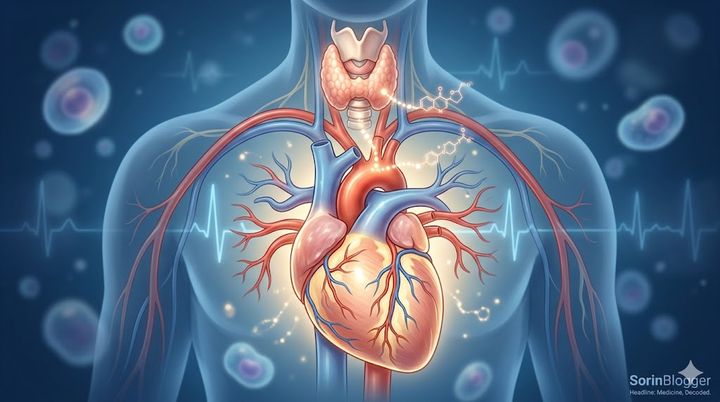
The human body is a beautifully synchronized masterwork of biological communication. Among the most critical conversations occurring within this network is the one between the thyroid gland and the cardiovascular system. Nestled at the base of your neck, the butterfly-shaped thyroid acts as your biological thermostat, producing hormones that regulate metabolism, energy generation, and cellular repair. Yet, its influence reaches far deeper than merely determining how quickly you process calories. Your heart is one of the primary target organs for thyroid hormones, possessing specialized receptors that react immediately to any fluctuation in hormone levels. When the thyroid slips out of equilibrium, the cardiovascular system often bears the consequences long before localized throat symptoms ever emerge.
Because cardiovascular symptoms such as mild endurance loss or subtle pulse variations are frequently attributed to aging, stress, or everyday exhaustion, thyroid-induced heart strain remains vastly underdiagnosed. Identifying these connections early can prevent long-term arterial issues, structural cardiac changes, and rhythm complications. To safeguard your well-being, it helps to look at systemic health indicators, starting with identifying the thyroid warning signs symptoms that show your endocrine pathways might need support. By exploring the deep hormonal undercurrents affecting your circulation, you can decode the subtle messages your heart is trying to send.
The Biological Link: How Thyroid Hormones Drive the Pulse
To truly comprehend why a malfunctioning thyroid changes cardiac performance, we must look at cellular physiology. Triiodothyronine (T3), the metabolically active form of thyroid hormone, enters cardiac muscle cells and directly alters the expression of genes responsible for contraction and relaxation. T3 accelerates the reuptake of calcium within cardiac fibers, which determines how smoothly and forcefully the heart relaxes and beats. Consequently, even a slight shortage or overabundance of this hormone throws off the delicate timing mechanism that maintains regular blood flow.
When thyroid hormone levels fall, as seen in hypothyroidism, your heart muscle becomes stiffer and less compliant. It requires more time to fill with blood and pumps less efficiently with each contraction. Conversely, an overactive thyroid, or hyperthyroidism, floods the bloodstream with T3, forcing the heart to work in overdrive. This hyper-metabolic state elevates resting pulse rates and increases blood volume, causing long-term strain on the myocardium. Over time, both extremes compromise arterial flexibility and disrupt foundational metabolic processes, making it necessary to implement targeted habits for a stronger heart to reverse or manage these systemic stresses.
Silent Sign 1: Unexplained Pulse Changes at Rest
One of the earliest, most easily overlooked signs of a thyroid-heart imbalance is a shift in your resting heart rate that cannot be explained by changes in physical fitness or stress. Because these adjustments happen gradually, many individuals fail to recognize them until they look closely at their health metrics. The direction of this pulse shift depends on which way your thyroid baseline has drifted.
In cases of an underactive thyroid, individuals frequently develop bradycardia, a condition where the resting heart rate drops below sixty beats per minute. While a low pulse is often a sign of superb athletic conditioning, in sedentary or moderately active individuals, it can leave you feeling sluggish, cold, and unusually fatigued. When the heart pumps too slowly, oxygen delivery to your brain and extremities slows down. On the other end of the spectrum, an overactive thyroid can trigger tachycardia, driving your resting heart rate above one hundred beats per minute, or manifest as sudden, uncomfortable palpitations while sitting quietly. If you feel like your pulse is racing or skipping a beat without physical exertion, you may need to learn how to lower heart rate self care strategies while tracking down the underlying hormonal trigger.
Silent Sign 2: Stubborn High Cholesterol That Resists Dietary Adjustments
You might be eating a pristine, whole-food diet, exercising regularly, and prioritizing sleep, yet your annual blood work still reveals stubbornly elevated low-density lipoprotein (LDL) cholesterol. When high cholesterol refuses to budge despite rigorous lifestyle adjustments, the root cause is frequently found in a sluggish thyroid rather than your kitchen habits. This occurs because thyroid hormones play a direct role in how your liver processes and eliminates circulating fats.
The liver requires adequate levels of thyroid hormone to produce enough LDL receptors, which act as cellular doorways to clear bad cholesterol from your bloodstream. When thyroid function declines, these receptors drop in number, leaving LDL particles to circulate longer, oxidize, and form arterial plaque. Doctors specializing in preventive cardiology frequently check thyroid function before prescribing lipid-lowering medications, as restoring thyroid balance can cause cholesterol numbers to drop naturally. Alongside hormonal therapy, incorporating cardioprotective foods like clean recipes cholesterol options can give your liver the additional nutritional support it needs to process fats efficiently.
Silent Sign 3: Exertional Fatigue paired with Sudden Changes in Blood Pressure
Feeling winded while climbing a flight of stairs or noticing a drop in your usual exercise endurance is often dismissed as being out of shape. However, when this fatigue is paired with unusual changes in blood pressure readings, it highlights a classic sign of thyroid-induced cardiovascular strain. The thyroid acts directly on the muscular walls of your blood vessels, regulating how relaxed or constricted they remain throughout the day.
In hypothyroidism, a lack of thyroid hormone causes systemic blood vessels to lose their natural elasticity, becoming rigid and narrow. To push blood through these stiffened pathways, the heart must exert more effort, which often elevates your diastolic blood pressure (the bottom number). Conversely, hyperthyroidism can cause your systolic blood pressure (the top number) to spike while dropping the diastolic number, creating a wide pulse pressure that leaves you feeling wiped out after minimal physical effort. This erratic vascular behavior impairs oxygen delivery to working muscles, producing intense exertional fatigue. Recognizing these subtle vascular adjustments can help you address structural vulnerabilities early, preserving arterial longevity and reducing long-term cardiovascular risks.
Comparing Hormonal Profiles: Thyroid Impact Profiles
Because the thyroid can fail by either slowing down or speeding up, the resulting cardiovascular manifestations present as two distinct clinical pictures. Understanding these differences helps clarify what you might be experiencing and guides your diagnostic conversations with a healthcare professional.
| Cardiovascular Marker | Underactive Thyroid (Hypothyroidism) | Overactive Thyroid (Hyperthyroidism) |
|---|---|---|
| Resting Heart Rate | Slow pulse (Bradycardia, <60 bpm) | Rapid pulse (Tachycardia, >100 bpm) |
| Primary Rhythm Risk | Premature ventricular beats, weak contractions | Atrial Fibrillation, palpitations, skipped beats |
| Blood Pressure Effect | Elevated Diastolic pressure due to stiff vessels | Elevated Systolic pressure, wide pulse pressure |
| Cholesterol Impact | Marked elevation in total and LDL cholesterol | Normal to unusually low cholesterol levels |
| Physical Sensation | Heavy fatigue, cold intolerance, slow reflexes | Exercise intolerance, internal tremors, anxiety |
The Role of Cortisol, Stress, and Secondary Indicators
Endocrine systems do not operate in a vacuum. Your thyroid is intimately tied to your adrenal glands, which manage your systemic stress responses. When an undiagnosed thyroid imbalance stresses the body, the adrenals often overcompensate by releasing high amounts of cortisol. Chronic stress, sleep deprivation, or unmanaged systemic strain can elevate this hormone, making it helpful to watch out for the 7 signs high cortisol symptoms to see if your body is trapped in a prolonged fight-or-flight loop.
High cortisol levels cause blood vessels to constrict further, elevate your baseline heart rate, and disrupt sleep, multiplying the cardiovascular strain already caused by a thyroid imbalance. This combined endocrine stress can manifest as a subtle, creeping sense of physical anxiety, internal tension, or unrefreshing sleep. Understanding these secondary markers ensures you look at endocrine health from a holistic perspective, acknowledging that your heart reacts to a complex blend of multiple hormones rather than a single isolated chemical.
Proactive Steps: Nutrient Support and Medical Screening
If you recognize these silent signs in your daily life, taking a proactive approach to testing and daily nutritional support can help protect both your metabolism and your cardiovascular system. The first step involves asking your doctor for a comprehensive thyroid panel, which should look beyond basic TSH levels to include Free T3, Free T4, and thyroid antibodies to spot autoimmune activity early.
Alongside medical guidance, optimizing your daily nutrition provides the structural building blocks your endocrine system needs to thrive. Incorporating clean, nutrient-dense whole foods can help stabilize hormone conversion pathways. For a practical, organized blueprint on setting up your kitchen for success, exploring a structured heart healthy diet longevity guide offers actionable ways to satisfy your nutritional needs while protecting your arteries. Focus on foods rich in selenium, zinc, and iodine to support hormone production, alongside antioxidant-packed vegetables that reduce vascular inflammation.
Conclusion: Honoring the Body's Internal Signals
Your cardiovascular system serves as a highly sensitive indicator for your overall endocrine health. Stubborn cholesterol shifts, subtle adjustments in resting pulse rates, and erratic blood pressure readings are rarely isolated issues; they are often your heart's way of asking for endocrine support. By addressing these root hormonal imbalances early through comprehensive screening and targeted nutritional lifestyle changes, you protect your body from unnecessary strain. Listen carefully to these subtle variations, treat your body with consistent care, and remember that protecting your metabolic health is one of the most effective ways to look after your heart for years to come.
Word count: 1532 words
© Copyright SorinBlogger
