Top Nutrients for the Thyroid-Heart Longevity Axis
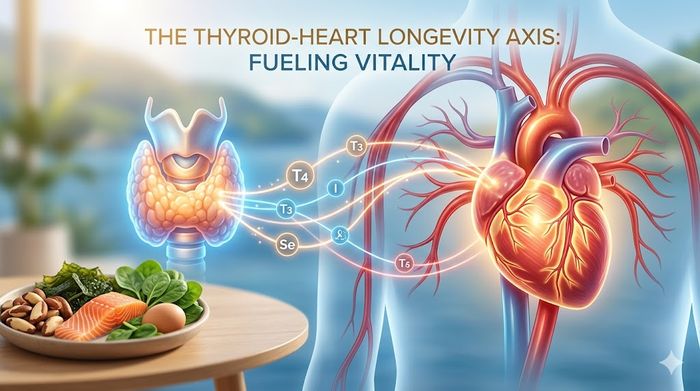
The human body operates through an intricate web of interconnected systems, but few pairings are as vital to long-term vitality as the thyroid gland and the cardiovascular network. Together, they form a powerful physiological engine known as the thyroid-heart longevity axis. When this relationship functions optimally, your metabolism remains stable, your energy levels flourish, and your heart maintains a steady, resilient rhythm. However, fueling this axis requires a deliberate and sophisticated nutritional approach. Without the correct foundational elements, systemic balance can falter, impacting everything from arterial flexibility to cellular energy production.
Understanding how specific vitamins, minerals, and bioactive compounds sustain this axis is more than an academic exercise; it is an actionable blueprint for extending healthspan. Every heartbeat relies on signals regulated by thyroid hormones, and those hormones cannot be synthesized or converted without micro-nutrients. By exploring the deep biochemical synergy between what we consume and how these organs communicate, we can unlock a natural, sustainable defense against early aging and metabolic exhaustion.
The Biological Interdependence of the Thyroid and Heart
To understand the power of nutrition over this axis, we must first appreciate the direct physical dialogue between the thyroid gland and the cardiovascular system. Thyroid hormones, primarily thyroxine (T4) and the active triiodothyronine (T3), act as the primary metabolic pacemakers of the body. They exert a profound influence on cardiac muscle cells, regulating the speed and force with which the heart contracts. When active hormone levels are optimal, cardiac output remains strong, peripheral vascular resistance is balanced, and cholesterol metabolism runs efficiently.
Conversely, even subtle fluctuations in thyroid performance can manifest instantly within the cardiovascular system. A minor reduction in circulating thyroid hormones can lead to arterial stiffening, an increase in low-density lipoprotein (LDL) cholesterol, and a slower resting pulse. Over time, these subtle shifts place undue strain on the myocardium, accelerating the biological aging of blood vessels. This link highlights why tracking thyroid warning signs symptoms is a critical preventative measure for protecting overall cardiac endurance.
On the other side of the spectrum, an overactive state can cause the heart to work overtime, resulting in elevated heart rates and increased oxygen consumption by cardiac tissue. This metabolic stress can eventually trigger rhythm disturbances. The body strives continuously for a delicate baseline where neither extreme takes hold. Maintaining this sweet spot requires a continuous supply of targeted elemental building blocks that defend both hormonal synthesis and myocardial cellular integrity simultaneously.
Iodine: The Core Catalyst of Hormone Synthesis
Iodine serves as the foundational cornerstone of the thyroid gland's architecture. Without it, the production of T4 and T3 ceases completely. The numbers in the names of these hormones literally represent the quantity of iodine atoms attached to their chemical structures. Because the human body cannot manufacture iodine internally, it relies entirely on consistent, high-quality dietary inputs to satisfy this biological demand.
When iodine intake drops below optimal thresholds, the pituitary gland releases higher levels of thyroid-stimulating hormone (TSH) in an attempt to force the thyroid into action. This prolonged stimulation can lead to structural changes within the gland, while simultaneously reducing the volume of active hormones delivered to the heart. Incorporating iodine-rich options, such as clean sea vegetables, wild-caught marine life, and trace mineral salts, forms an essential shield for the longevity axis. Utilizing structured dietary frameworks, like the ones detailed in a comprehensive thyroid healing diet guide, can ensure you hit these micro-nutrient targets safely without accidentally overloading your system.
However, balance is vital. While a deficiency halts hormone production, an excessive, uncontrolled spike in iodine can cause a temporary shutdown in synthesis, a phenomenon known as the Wolff-Chaikoff effect. Therefore, obtaining this element from whole, unrefined food sources remains the safest and most bioavailable path for long-term physiological harmony.
Selenium: The Protector and Conversional Engine
If iodine is the raw material, selenium is the master technician that refines it. The thyroid gland contains the highest concentration of selenium per gram of tissue of any organ in the human body. This mineral plays two absolutely indispensable roles in maintaining the thyroid-heart axis: transformation and antioxidant defense.
First, selenium-dependent enzymes known as deiodinases are solely responsible for converting the inactive hormone T4 into its biologically active counterpart, T3. This conversion process occurs primarily in peripheral tissues, including the liver, kidneys, and the heart muscle itself. If selenium levels are depleted, the heart is deprived of the active T3 it requires to regulate cardiac genes, even if the thyroid gland is releasing plenty of raw T4. Second, the process of synthesizing thyroid hormones generates significant amounts of hydrogen peroxide, a powerful free radical. Selenium acts as a key component of glutathione peroxidase, an antioxidant enzyme that neutralizes this localized oxidative stress before it can damage thyroid cells or escape into the wider vascular system.
To optimize your daily nutrient distribution, it helps to understand which whole foods offer the densest concentrations of these protective elements. The table below outlines top-tier dietary options tailored to reinforce the axis.
| Nutrient Type | Primary Food Sources | Primary Axis Benefit |
|---|---|---|
| Selenium | Brazil Nuts, Sardines, Grass-Fed Beef, Sunflower Seeds | Drives T4 to T3 conversion; neutralizes tissue oxidative stress. |
| Iodine | Kelp, Wakame, Organic Eggs, Wild Cod, Seafood | Provides the structural atoms required to build thyroid hormones. |
| Zinc | Oysters, Pumpkin Seeds, Lentils, Grass-Fed Lamb | Supports pituitary TSH signaling and cellular receptor binding. |
| Magnesium | Spinach, Swiss Chard, Dark Chocolate, Avocados | Prevents vascular calcification and stabilizes cardiac rhythm. |
Zinc and Magnesium: The Underappreciated Synergists
While iodine and selenium often command the spotlight, zinc and magnesium perform critical regulatory duties behind the scenes. Zinc operates at the genetic level, acting as a structural component of the cellular receptors that bind T3 within target tissues. Without adequate zinc, the cells of your heart cannot read the hormonal messages sent by the thyroid, leading to a state of localized resistance where hormone levels appear normal in blood tests, yet the tissues remain functionally starved.
Additionally, zinc influences the hypothalamus's ability to gauge circulating hormone levels, stabilizing the overarching signaling loop that prevents dangerous metabolic spikes or crashes. Pairing zinc intake with clean, mineral-dense nutrition helps eliminate communication gaps across the entire endocrine system.
Magnesium, meanwhile, works as the ultimate physical stabilizer for the cardiac side of the longevity axis. It governs the movement of calcium across myocardial cell membranes, ensuring that after the heart contracts under the influence of thyroid signaling, it can fully and deeply relax. A chronic lack of magnesium induces a state of muscular hyper-reactivity, predisposing the vascular walls to tension, elevating systemic blood pressure, and increasing the heart's vulnerability to stressful rhythm disruptions. Ensuring adequate magnesium status acts as an invisible insurance policy against vascular tension and age-related arterial decline.
Cardiovascular Vitality: Protecting Cellular Communication
True systemic longevity requires us to think beyond individual nutrients and focus on protecting the delicate cellular pathways where these organs intersect. When thyroid signaling becomes erratic or sluggish, cellular metabolism slows down, triggering a cascade of inflammatory markers that specifically target the endothelial lining of our blood vessels. This endothelial dysfunction accelerates the oxidation of lipids, creating an environment where plaque can accumulate more aggressively within the coronary arteries.
To combat this structural vulnerability, our daily dietary patterns must prioritize high-antioxidant, anti-inflammatory building blocks. Prioritizing foods that thin the blood naturally and preserve arterial flexibility allows the heart to respond smoothly to the metabolic demands placed upon it by the thyroid. Incorporating functional meals focused on systemic protection, such as those highlighted within targeted blue zone recipes heart health protocols, provides an exceptional array of naturally occurring compounds that defend vascular elasticity and support metabolic equilibrium over decades.
Furthermore, a healthy gut microbiome is crucial for this cellular communication. A significant percentage of T4 to T3 conversion relies on a healthy digestive tract populated by diverse bacterial strains. When systemic inflammation degrades the gut barrier, nutrient absorption plummets, starving the longevity axis of the exact minerals required for basic operations. Protecting the digestive system directly shields the heart from metabolic imbalances.
Practical Strategies for Dietary Alignment and Longevity
Transforming this biochemical knowledge into a concrete daily routine does not require an overwhelming lifestyle overhaul. It simply demands consistency, intentionality, and a focus on high-quality, unrefined ingredients. Begin by optimizing your micro-nutrient foundations through simple dietary habits: eating two to three Brazil nuts daily for selenium, utilizing clean sea vegetables or high-quality seafood twice a week for iodine, and filling half your plate with deep, leafy greens to secure your magnesium requirements.
Simultaneously, eliminate metabolic detractors that cause structural friction along the axis. Highly processed sugars, refined seed oils, and artificial additives trigger systemic inflammatory spikes that actively disrupt thyroid hormone transport and strain cardiac muscle tissue. Replacing these inflammatory triggers with dense, natural fats, lean proteins, and complex carbohydrates provides a steady, clean-burning fuel supply that stabilizes both your blood sugar and your hormonal rhythms.
Finally, consider structural lifestyle factors that complement your nutritional adjustments. Managing daily stress levels reduces the chronic output of cortisol, a hormone known to inhibit peripheral T4 to T3 conversion and elevate resting blood pressures. Embracing regular, low-impact physical movement further optimizes cellular sensitivity to thyroid signaling, allowing your heart to pump more efficiently while promoting robust vascular health. By aligning conscious dietary choices with intelligent daily rhythms, you establish a resilient foundation for the thyroid-heart axis, ensuring vibrant health and longevity for many years to come.
Conclusions and Recommendations
The thyroid-heart longevity axis represents one of the body’s most critical internal partnerships, silently dictating systemic energy levels, vascular tone, and cellular protection. Ensuring a balanced intake of iodine, selenium, zinc, and magnesium provides the precise elemental keys needed to sustain this balance. Rather than turning to synthetic or unmonitored isolated formulations, focus on building a robust foundation of diverse, mineral-dense, whole food options. By combining these core micro-nutrients with an anti-inflammatory, clean-eating lifestyle, you protect your body against premature cardiovascular decline, stabilize metabolic function, and unlock a vibrant, resilient path toward long-term longevity.
© Copyright SorinBlogger
