The thyroid gland is often described as the "master controller" of the human body. This small, butterfly-shaped organ sitting at the base of your neck manages everything from your metabolic rate and body temperature to your heart rate and even your mood. For millions of Americans, however, this engine is sputtering. Thyroid disorders—ranging from hypothyroidism and Hashimoto’s thyroiditis to Graves’ disease—have become an epidemic in the United States. While medication is often necessary, the foundation of true recovery and long-term vitality lies in what you put on your plate.
The Connection Between Nutrition and Thyroid Function

Understanding how food affects your thyroid requires a quick look at how the gland works. The thyroid produces hormones, primarily T4 (thyroxine) and T3 (triiodothyronine). T4 is the inactive form, which must be converted into the active T3 to be used by your cells. This conversion process is highly sensitive to nutritional status, inflammation, and stress. If you lack specific minerals or consume high amounts of inflammatory foods, your "conversion factory" shuts down, leaving you feeling exhausted, cold, and mentally foggy, regardless of your lab results.
In the United States, the "Standard American Diet" (SAD)—high in processed grains, seed oils, and added sugars—is a direct antagonist to thyroid health. These foods trigger systemic inflammation, which can lead to the immune system attacking the thyroid gland, a condition known as Hashimoto's. By shifting toward a nutrient-dense, thyroid-supportive diet, you are not just "eating healthy"—you are providing the raw materials required for hormone synthesis and reducing the fire of autoimmunity.
Essential Nutrients Your Thyroid Craves
The thyroid is one of the most nutrient-dependent glands in the body. Without a specific set of vitamins and minerals, it simply cannot manufacture or convert hormones effectively. Let’s break down the "Big Three" that are most critical for American adults.
1. Iodine: The Building Block
Iodine is the primary component of T4 and T3 hormones. While iodized salt helped eliminate goiters in the early 20th century, many modern health-conscious Americans have switched to sea salt or Himalayan pink salt, which are often iodine-poor. Finding a balance is key; too little iodine prevents hormone production, while excessive iodine can trigger autoimmune flares in sensitive individuals.
2. Selenium: The Protector
The thyroid gland has the highest concentration of selenium in the entire body. Selenium acts as a powerful antioxidant, protecting the gland from damage caused by the production of thyroid hormones. More importantly, it is an essential cofactor for the enzymes that convert T4 into the active T3. Without enough selenium, you may have "normal" T4 levels but still feel hypothyroid because T3 isn't reaching your tissues.
3. Zinc: The Communicator
Zinc is required for the initial signaling of thyroid-stimulating hormone (TSH) and helps the receptors in your cells actually "hear" the message from T3. Zinc deficiency is common in the USA due to poor soil quality and high grain consumption, which contains phytates that block zinc absorption.
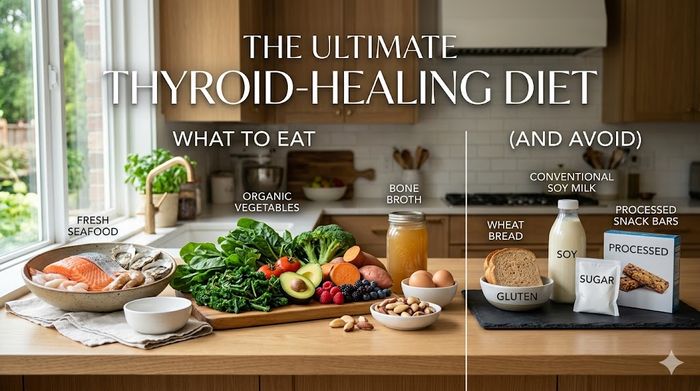
Top 10 Thyroid-Healing Superfoods
Instead of focusing on restriction, let’s look at the nutrient powerhouses that can revitalize your metabolism. These foods should be the cornerstones of your healing journey.
| Food Item | Primary Nutrient | Benefit for Thyroid |
|---|---|---|
| Brazil Nuts | Selenium | Just 2 nuts a day provide your daily selenium needs. |
| Wild-Caught Salmon | Omega-3s & Vitamin D | Reduces inflammation and supports immune balance. |
| Seaweed (Nori, Kelp) | Iodine | Provides the raw building blocks for T4 hormone. |
| Grass-Fed Beef | Iron & Zinc | Crucial for hormone synthesis and conversion. |
| Oysters | Zinc | The highest food source of zinc for hormone signaling. |
| Berries (Blueberries) | Antioxidants | Fights oxidative stress that damages the thyroid. |
| Bone Broth | Amino Acids | Heals the gut lining, reducing autoimmune triggers. |
| Eggs (Pasture-Raised) | Iodine & Selenium | The yolks contain most of the thyroid nutrients. |
| Spinach (Cooked) | Magnesium | Helps manage stress and metabolic efficiency. |
| Avocado | Healthy Fats | Essential for cellular health and hormone stability. |
Foods to Avoid: The "Inflammatory Three"
For many people with thyroid issues, particularly the autoimmune version (Hashimoto’s), certain foods act as triggers. Removing these for a period of 30 to 90 days can lead to a dramatic reduction in symptoms like brain fog and joint pain.
1. Gluten
Gluten is the number one enemy for thyroid health. Due to a process called "molecular mimicry," the protein structure of gluten closely resembles thyroid tissue. When the body attacks gluten, it may mistakenly attack the thyroid gland. Many Americans find that a strict gluten-free lifestyle is the single most effective change for thyroid antibodies.
2. Unfermented Soy
Soy contains isoflavones that can inhibit the activity of the enzyme thyroid peroxidase (TPO), which is needed to make thyroid hormones. If you already have low thyroid function, heavy consumption of soy milk or soy protein isolates (found in many "health" bars) can further depress your metabolism.
3. Excessive Refined Sugar
Sugar drives insulin resistance, which is toxic to the thyroid. High insulin levels can interfere with the conversion of T4 to T3 and increase the risk of developing thyroid nodules. Switching to natural sweeteners like monk fruit or small amounts of raw honey is a safer bet.
The Goitrogen Myth: Do You Need to Quit Broccoli?
You might have heard that cruciferous vegetables like broccoli, kale, and cauliflower are bad for the thyroid. These contain "goitrogens," substances that can interfere with iodine uptake. However, for the vast majority of people, this is a non-issue. The benefits of the fiber and cancer-fighting compounds in these vegetables far outweigh the risks.
The secret? Simply cook them. Steaming or roasting cruciferous vegetables neutralizes most of the goitrogenic activity. Unless you are eating several pounds of raw kale daily and have a severe iodine deficiency, there is no reason to fear these nutritional powerhouses.
Sample 3-Day Thyroid-Healing Meal Plan
Starting a new diet can be overwhelming. Here is a simple, 3-day snapshot of what a thyroid-healing protocol looks like in practice.
| Day | Breakfast | Lunch | Dinner |
|---|---|---|---|
| Day 1 | Omelet with spinach, mushrooms, and 2 Brazil nuts. | Grilled salmon salad with avocado and olive oil dressing. | Grass-fed beef burger (no bun) with sweet potato wedges. |
| Day 2 | Smoothie with collagen peptides, blueberries, and coconut milk. | Leftover beef burger over a bed of mixed greens. | Baked cod with a crust of crushed macadamia nuts and steamed broccoli. |
| Day 3 | Chia seed pudding made with almond milk and fresh raspberries. | Chicken and vegetable soup made with real bone broth. | Stir-fry with shrimp, snap peas, carrots, and ginger (using coconut aminos). |
Beyond Food: Lifestyle Factors That Heal
While diet is the foundation, the thyroid gland is incredibly sensitive to external environment. In the USA, we live in a high-stress, low-sleep society, both of which are "thyroid killers." High cortisol—the stress hormone—inhibits the conversion of T4 to T3 and can cause the body to create Reverse T3, an inactive hormone that effectively "clogs" your receptors and slows your metabolism even further.
Prioritizing 7-9 hours of quality sleep and incorporating daily stress-management techniques—such as walking in nature, meditation, or even just deep breathing—is just as important as what you eat. Furthermore, be mindful of environmental toxins. Endocrine disruptors found in plastics (BPA), non-stick pans, and certain tap water (fluoride and chlorine) can compete with iodine for absorption in the thyroid. Switching to glass containers and a high-quality water filter can provide an extra layer of protection for your gland.

Final Verdict: Taking Control of Your Thyroid Health
The journey to thyroid health is not a sprint; it’s a marathon of consistent, mindful choices. By focusing on nutrient-dense superfoods like Brazil nuts, wild salmon, and iron-rich proteins, while eliminating inflammatory triggers like gluten and processed sugars, you provide your body with the environment it needs to heal.
Remember that every individual is unique. What works for one person may need adjustment for another. Listen to your body, track your energy levels, and work with a functional health professional to monitor your progress. Healing is possible, and it begins with your very next meal. Optimal health is not just about the absence of disease—it's about feeling vibrant, clear-headed, and energized every single day.