
The Link Between Obesity and Diabetes: What You Need to Know
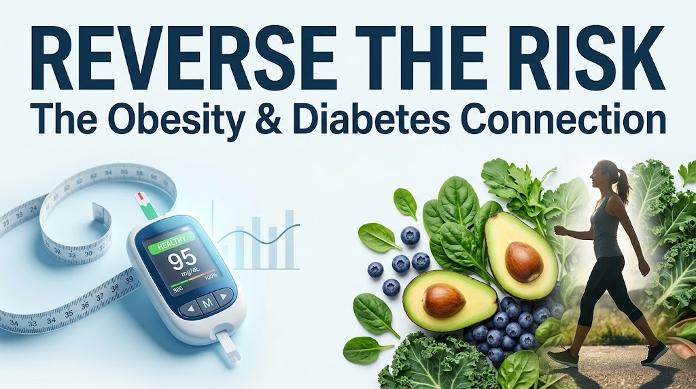
Have you ever wondered why carrying extra weight directly impacts your blood sugar numbers? You are definitely not alone in asking this vital question.
The connection between excess body weight and metabolic disease is neither random nor sudden. Modern medical science now refers to this dangerous crossroad as diabesity.
Here is the good news: understanding how this metabolic pathway functions puts the power right back in your hands.
What Is Diabesity and Why Does It Threaten Your Vitality?
Diabesity describes the compounding collision of severe obesity and type 2 diabetes. When these conditions merge, they accelerate cardiovascular stress and organ breakdown.
You might think body fat simply acts as an inert storage locker for spare energy. Medical imaging reveals it behaves as an intensely active hormonal gland instead.
Want to know the real culprit behind this shift? It all begins beneath the skin inside your deep abdominal tissue.
Subcutaneous Fat Versus Visceral Adipose Tissue
Subcutaneous fat sits just under your skin and creates soft, pinchable folds. While often frustrating for body image, it rarely triggers massive metabolic destruction.
Visceral fat settles much deeper within your body wall. It wraps around your liver, kidneys, pancreas, and intestines like a suffocation blanket.
Targeting this dangerous visceral deposit starts with your daily plate. Choosing targeted foods to burn belly fat fast provides your body with cleaner fuel to start shrinking these inner stores.
The Biological Chain Reaction: How Fat Blocks Insulin
Think of insulin as a master key. Its primary job is to unlock cellular doors so circulating glucose can enter and generate energy.
When fat cells enlarge past their storage limit, they spill excess lipid compounds into your bloodstream. These stray fatty acids coat muscle and liver receptors.
Suddenly, the lock gets jammed. Your cells stop responding to the key, forcing glucose to back up inside your arteries.
The Cascade of Pancreatic Burnout
Your pancreas detects this dangerous pool of sugar and works into overdrive. It pumps out twice, three times, or four times more insulin to force the doors open.
For months or years, your body might maintain normal fasting blood sugar through sheer force. But this compensation creates extreme internal wear and tear.
Eventually, delicate beta cells in your pancreas suffer severe exhaustion. When they begin failing, blood glucose spikes uncontrollably, and formal diabetes sets in.
The Hidden Danger: Chronic Low-Grade Systemic Inflammation
Obese fat tissue does not just store excess triglycerides. It acts as an active biochemical factory generating chemical distress signals.
As adipocytes swell beyond their healthy capacity, they outgrow their blood supply and suffocate. This localized cell distress summons white blood cells into the fat tissue.
These immune responders release aggressive inflammatory chemicals known as cytokines, including TNF-alpha and Interleukin-6.
How Cytokines Disrupt Hormone Signaling
Circulating inflammatory cytokines sabotage your insulin pathways on a microscopic level. They mutate the internal communication lines that tell cells to grab glucose.
This continuous immune fire makes weight loss harder and accelerates tissue wear. Adding structured anti-inflammatory foods for longevity helps quench this cellular fire and restore clearer cellular communication.
When you stop fuel-feeding systemic inflammation, your tissues naturally recover sensitivity to your own hormones.
Comparing Key Markers Across the Metabolic Spectrum
Tracking your metabolic benchmarks provides objective proof of where your body stands. Take a close look at these stages:
| Metabolic Stage | Fasting Blood Sugar | HbA1c Range | Cellular Health State |
|---|---|---|---|
| Optimal Sensitivity | 70 to 99 mg/dL | Below 5.7% | Efficient cellular glucose uptake with zero vascular overload. |
| Early Prediabetes | 100 to 125 mg/dL | 5.7% to 6.4% | Pancreas compensates with elevated insulin output; silent strain. |
| Full Diabesity State | 126+ mg/dL | 6.5% or higher | Beta-cell fatigue; systemic glucose toxicity and cellular damage. |
Where does your current panel land on this continuum? Knowing your baseline numbers gives you a clear target to aim for.
Even small shifts toward optimal sensitivity relieve tremendous stress on your heart, vessels, and filtering organs.
The Liver Connection: Unmasking Non-Alcoholic Fatty Infiltration
Your liver acts as your body's central processing powerhouse. When high insulin levels stay locked in place, this organ cannot burn fuel efficiently.
Instead, it begins converting incoming refined carbohydrates directly into intracellular liver fat. This dangerous transition unfolds completely silently for years.
Spotting the subtle signals early makes an enormous difference. Reviewing the early symptoms of fatty liver allows you to intervene before fibrosis or advanced dysfunction occurs.
Hepatic Glucose Overproduction
A healthy liver stops producing new glucose as soon as insulin rises after a meal. But a fat-infiltrated liver completely loses this stop switch.
It continues dumping glucose into your blood even while you sleep at night. This explains why you might wake up with high fasting sugar numbers despite not eating for twelve hours.
Breaking this nighttime production cycle requires retraining your cellular machinery from the ground up.
Actionable Protocols to Break the Obesity-Diabetes Cycle
You do not need extreme or unsafe changes to rewrite your metabolic trajectory. Consistent, sustainable micro-habits produce profound biological upgrades over time.
Clinical research confirms that losing just 5 to 10 percent of your body weight can restore up to 50 percent of lost insulin sensitivity.
Here are the most effective daily protocols you can put to work starting today:
- Adopt a Low-Glycemic Whole Food Framework: Prioritize clean lean proteins, abundant green vegetables, and cold-pressed healthy fats that generate stable glucose curves instead of violent spikes.
- Optimize Your Daily Rhythm: Establish predictable daily schedules that support digestive and hormonal balance. Learning how to reset metabolism through daily habits helps synchronize your internal clock for superior glucose disposal.
- Mobilize Glucose After Meals: Never sit immediately following a heavy meal. Even modest physical movement dramatically accelerates your cellular uptake of circulating sugar.
- Protect Restful Sleep: Getting fewer than seven hours of quality sleep spikes morning cortisol and immediately worsens acute insulin sensitivity by up to twenty percent.
The Glucose-Clearing Power of Low-Impact Movement
Did you know your muscle contractions can clear glucose completely independent of insulin? It sounds unbelievable, but muscle contraction activates GLUT4 transporter proteins directly.
This means you can pull sugar straight out of your bloodstream without demanding a single drop of new insulin from your tired pancreas.
A simple strategy like 30 minutes of walking for weight loss provides the exact muscular activation required to open these metabolic pathways safely.
Your Daily Blueprint for Long-Term Reversal
Reversing the link between excess weight and diabetes requires steady persistence rather than quick fixes or crash starvation.
Start by eliminating liquid sugars, refined grains, and industrial seed oils that accelerate visceral accumulation.
Replace them with real, single-ingredient choices packed with soluble fiber, clean proteins, and natural antioxidants.
Track your waist circumference alongside your morning fasting readings to watch your biological progress in real time.
Your body possesses an incredible capacity to regenerate when you remove chronic inflammatory stressors and restore smart fuel balance.
Take control of your plate, move your body after your next meal, and unlock lasting metabolic freedom starting right now.
© Copyright SorinBlogger
