How Hormones Control Your Appetite and Eating Habits
You sit down at your desk after lunch feeling completely stuffed, yet an hour later your mind drifts toward sweet pastries. You blame your lack of willpower. But here is the truth: your willpower never failed you.
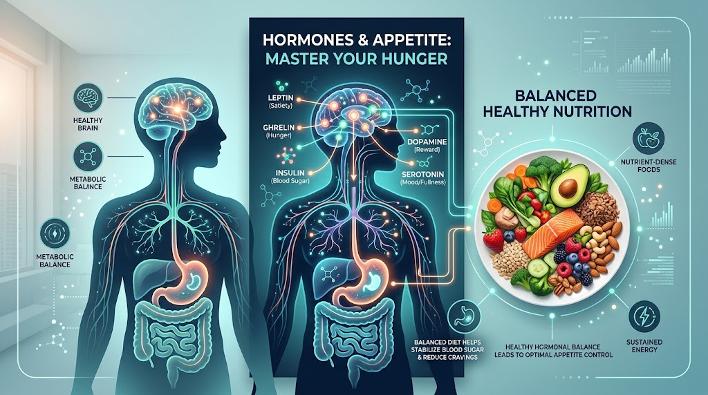
Your appetite is orchestrated by complex chemical messengers that deliver rapid commands from your stomach to your brain. When these chemical signals misfire, cravings feel irresistible.
Understanding how hormones control your appetite gives you total authority over your dietary choices. Let us break down the exact biological feedback loops dictating your hunger.
The Endocrine Command Center: How Your Brain Reads Hunger
Deep inside your brain sits a tiny structure known as the hypothalamus. This master control center evaluates thousands of real-time biofeedback signals each second.
Two specialized sets of neurons regulate caloric consumption inside this hub. One group triggers voracious hunger, while the opposing group signals deep fullness.
Peripheral hormones travel through your vascular highway directly to these neural circuits. If systemic inflammation or metabolic dysfunction clouds these communication pathways, normal hunger cues breakdown completely.
The Dual Signaling Highway: Tonic vs Episodic Signals
Appetite communication splits into two distinct categories. Episodic signals shift quickly before and after every meal you consume throughout the day.
Tonic signals operate over weeks and months, reporting long-term energy stores directly from adipose tissues. You need balance in both systems to maintain effortless metabolic control.
Ghrelin: The Master Trigger Behind Intense Hunger
Ghrelin acts as your body's primary meal initiator. Produced primarily in the fundus of your stomach, it climbs steadily whenever your digestive tract sits empty.
This peptide hormone does not just make your stomach rumble. It actively sharpens your olfactory senses and heightens reward anticipation for calorie-dense items.
Starting your morning with strategic whole foods stabilizes ghrelin surges for hours. You can explore how choosing to eat this for breakfast lose weight sets your metabolic rhythm early in the day.
Why Crash Dieting Makes Ghrelin Skyrocket
When you suddenly slash calories drastically, your biology interprets the deficit as an immediate famine. Your stomach pumps out significantly higher amounts of circulating ghrelin.
This protective evolutionary mechanism explains why severe food restriction leads directly to nighttime bingeing. Your body simply fights back to ensure survival.
Leptin: The Long-Term Satiety Brake
If ghrelin pushes the gas pedal, leptin acts as your biological braking mechanism. Secreted by your fat cells, leptin informs your brain that ample fuel reserves exist.
Under healthy conditions, high levels of leptin tell the brain to shut down hunger cues and accelerate basal metabolic rate.
However, chronic overeating causes a critical malfunction known as leptin resistance. The signal never crosses the blood-brain barrier effectively.
The Silent Nightmare of Leptin Resistance
Imagine screaming at someone through a concrete wall. Even if you shout at maximum volume, they hear nothing.
That is leptin resistance. Your adipocytes scream that storage is overflowing, but your hypothalamus assumes you are starving, demanding rapid food consumption.
Insulin and Blood Sugar Rollercoasters
Your pancreas releases insulin to shuttle glucose out of your bloodstream and into cells for energy or storage.
When you consume refined carbohydrates, your blood sugar spikes dramatically, causing an exaggerated flood of insulin.
This swift clearance causes reactive hypoglycemia. Your brain detects falling glucose levels and sounds an emergency alarm for quick refined sugar.
Insulin Resistance and Constant Snacking
Chronically elevated insulin locks fuel away inside adipose tissue, preventing lipolysis. You feel fatigued despite carrying substantial stored fuel on your frame.
Selecting dietary fiber and nutrient density keeps your circulating insulin steady. Strategic choices like high volume low calorie snacks satisfy gastric mechanoreceptors without sparking sudden glucose swings.
Cortisol: How Chronic Stress Hijacks Your Cravings
When life pressures accumulate, your adrenal glands flood your systemic circulation with cortisol. In evolutionary terms, cortisol prepared human ancestors to fight off physical danger.
Modern stress is sedentary and ongoing. Prolonged cortisol elevation blunts executive self-control centers while hyper-sensitizing dopamine pathways tied to fats and sugars.
Recognizing the physical signs of adrenal stress helps you avoid spontaneous emotional snacking. Reviewing 7 signs high cortisol symptoms allows you to pinpoint whether anxiety is masquerading as genuine hunger.
Managing Stress to Subdue Phantom Hunger
Lowering adrenal overdrive protects metabolic health directly. Intentional parasympathetic engagement dials down sudden urges for dense junk foods.
Implementing targeted daily protocols calms internal agitation. You can discover actionable, natural ways lower cortisol to shield your brain from hyper-palatable binge loops.
The Satiety Protectors: GLP-1, PYY, and CCK
Your lower intestines produce an array of potent satiety peptides. Glucagon-like peptide-1 (GLP-1) and Peptide YY (PYY) deploy as food arrives in the gut.
GLP-1 slows gastric emptying, keeping nutrients inside your stomach longer to prolong physical fullness. Simultaneously, Cholecystokinin (CCK) stimulates bile secretion while signaling meal termination.
How Food Quality Stimulates Gut Peptides
Ultra-processed foods absorb too quickly in the upper intestine, missing lower L-cells entirely. This allows you to swallow thousands of calories before satiety cascades kick in.
Consuming intact fibers and lean proteins ensures robust peptide delivery. Your intestines naturally scream fullness without requiring artificial pharmacological suppression.
Circadian Biology and Late-Night Kitchen Raids
Your metabolic hormones follow a strict 24-hour internal clock. As darkness falls, melatonin rises while digestive enzyme production slows down substantially.
Consuming substantial meals late at night desynchronizes peripheral clocks located within your liver and gut. This circadian chaos sparks morning glucose imbalances and evening cravings.
Eating close to bedtime also introduces systemic strain across cardiovascular tissues. Examining how late night eating heart risk connects to hormonal disruptions illustrates the value of early dinner timing.
Four Practical Strategies to Master Your Appetite Chemistry
Gaining mastery over your endocrine signaling does not require exhausting restriction. You can balance these complex messengers using simple, tactical lifestyle shifts.
- Front-load high-density dietary protein: Eating 30 to 40 grams of protein during your first meal suppresses ghrelin production throughout the entire day.
- Fill your plate with viscous soluble fiber: Soluble plant fibers ferment into short-chain fatty acids, stimulating natural GLP-1 and PYY secretion inside the colon.
- Protect seven hours of uninterrupted sleep: Even two consecutive nights of fragmented rest elevate circulating ghrelin by 15% and drop leptin significantly.
- Eliminate liquid simple sugars: Liquid fructose passes directly to the liver without triggering insulin or leptin, leaving your brain hungry.
Tracking Appetite Signals for Lasting Health
Start viewing hunger as an informative chemical report rather than a character flaw. Your body always communicates its real physiological conditions.
When you align your nutrition, stress management, and daily circadian habits with these endocrine pathways, appetite naturally self-corrects. You reclaim total command of your plate with zero agonizing willpower battles.
© Copyright SorinBlogger
