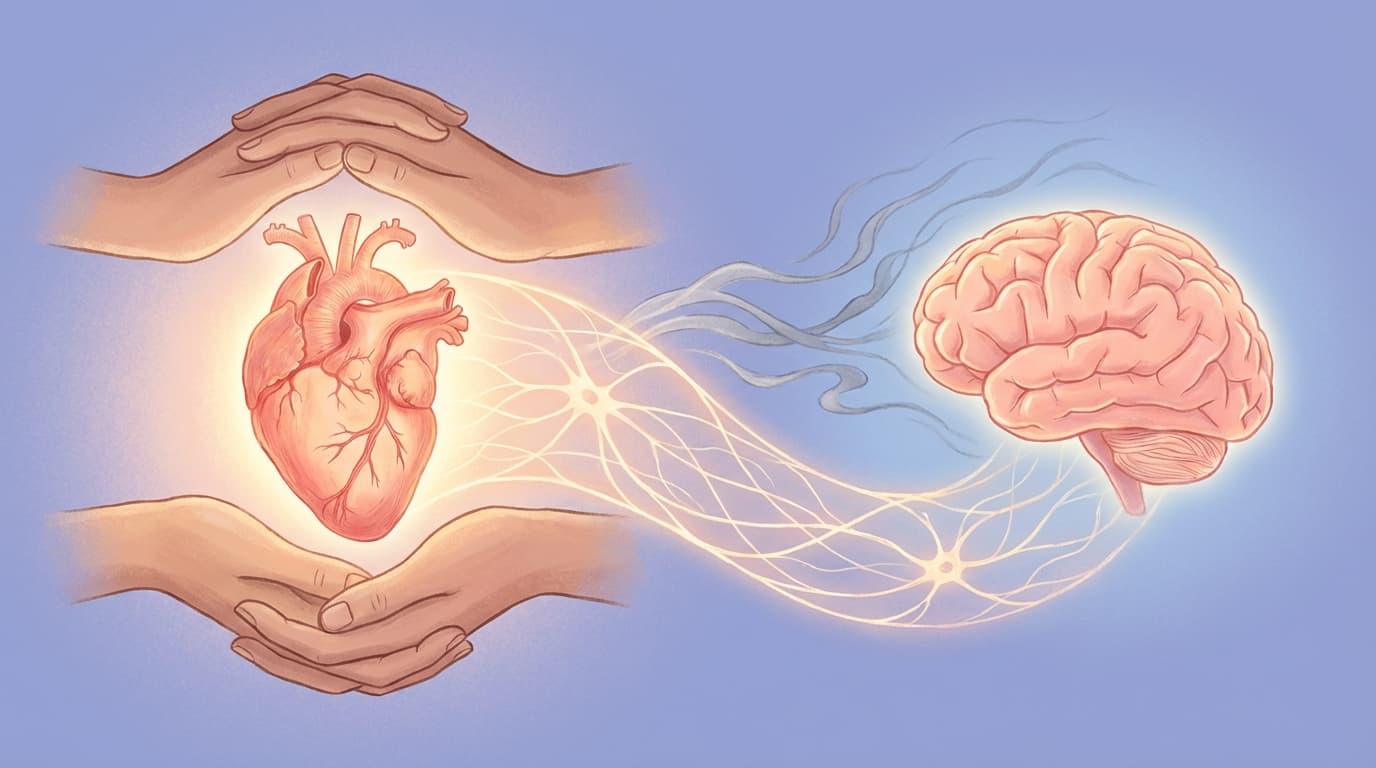
I have often said that the heart is the engine of the body, but few realize it is also the guardian of the mind. For years, we treated cardiology and neurology as separate islands, yet modern medicine has built a bridge between them. The pumping of your heart directly dictates the clarity of your thoughts. If you want to preserve your memories, your personality, and your independence as you age, the strategy starts not in the head, but in the chest. Protecting your heart is, without a doubt, the most effective way to keep dementia at bay.

Key Takeaways
- The Link is Physical: 20% of your body's blood goes to the brain; poor heart output equals poor brain function.
- Vascular Dementia: This is the second most common type of dementia, directly caused by blood flow issues.
- Prevention Power: Managing blood pressure and cholesterol can significantly lower Alzheimer's risk.
- Actionable Strategy: Diet, movement, and stress control are your primary tools.
Table of Contents
The Science: The Heart-Brain Axis
To understand why your heart matters to your memory, you have to look at the plumbing. Your brain is a voracious consumer of energy. Despite weighing only about 2% of your body mass, it consumes 20% of the oxygen and glucose transported by your blood. This constant supply line is maintained by your heart and vascular system.
When the heart pumps efficiently, the microscopic vessels in the brain (the microvasculature) remain elastic and open, allowing for the rapid removal of toxins, including beta-amyloid plaques associated with Alzheimer's. However, when cardiovascular issues arise, this system falters. According to the American Heart Association, stiffening arteries and reduced cardiac output directly correlate with cognitive decline.
Vascular Dementia: The Silent Threat
Vascular dementia is the second most common form of dementia after Alzheimer's disease. It is caused by conditions that block or reduce blood flow to the brain, depriving brain cells of oxygen and nutrients. Often, this happens after a stroke, which is why understanding stroke causes and prevention is absolutely critical for brain longevity.
Even without a major stroke, "silent strokes" or chronic high blood pressure can cause cumulative damage to the white matter of the brain. This disrupts the communication lines between different brain regions, leading to slower thinking, confusion, and memory loss.
| Heart Condition | Impact on Brain | Risk Level |
|---|---|---|
| Hypertension (High BP) | Damages small vessels, reduces waste clearance. | High |
| Atrial Fibrillation | Increases risk of clots traveling to the brain. | Very High |
| High Cholesterol | Plaque buildup limits oxygen supply. | Moderate |
7 Heart-Healthy Habits That Save Your Brain
The good news is that the brain is plastic; it can heal and adapt. By adopting specific habits, you can arrest the decline. Here are the seven pillars of neurovascular health:
- Control Your Blood Pressure: This is arguably the most important factor. Uncontrolled pressure batters the delicate vessels in the hippocampus, the memory center. I recommend reading my guide on how to naturally lower blood pressure to get started.
- Manage Atrial Fibrillation: Irregular heartbeats can cause blood to pool and clot. If you feel palpitations, check for signs of heart rhythm problems immediately.
- Monitor Glucose Levels: Diabetes damages blood vessels over time. High sugar acts like shards of glass in your arteries.
- Stop Smoking: Smoking constricts blood vessels and reduces oxygen delivery to the brain instantly.
- Stay Socially Active: Isolation is a stressor for the heart and the brain.
- Prioritize Sleep: During deep sleep, the brain's glymphatic system washes away toxins.
- Adopt the Right Diet: Food is fuel and medicine.
Nutrition: The MIND and Mediterranean Diets
What you put on your fork matters more than any pill currently on the market for dementia prevention. The gold standard is the Mediterranean Diet, rich in olive oil, fish, nuts, and vegetables.
Researchers have refined this into the MIND diet (Mediterranean-DASH Intervention for Neurodegenerative Delay). This specific approach highlights berries and leafy greens as "brain foods." Avoiding inflammatory foods is just as crucial. For instance, knowing which foods sabotage digestion and cause inflammation can help you reduce systemic stress on your cardiovascular system.
Furthermore, specific nutrients help protect the vessel walls. Recent studies from the Mayo Clinic suggest that Omega-3 fatty acids are essential. While we focus on what to eat, we must also focus on maintaining a healthy weight. If you are struggling, reviewing the top 10 diets that actually work can provide a structured starting point.
The Role of Exercise and Stress Management
Movement as Medicine
Physical activity pumps blood to the brain and encourages the growth of new brain cells, a process called neurogenesis. You don't need to run marathons. Consistent, moderate activity is key. To keep yourself accountable, I highly suggest using technology. A quality fitness tracker can help you monitor your heart rate zones to ensure you are getting the vascular benefits without overexerting yourself.
For those with mobility issues or joint pain, it is vital not to stop moving. Supplements like collagen for joints can support your ability to stay active, which in turn supports your heart.
The Cortisol Connection
Chronic stress releases cortisol, which is toxic to the brain and hard on the heart. It raises blood pressure and inflammation. Mastering techniques to calm the nervous system is essential. One simple, effective method is box breathing, which creates immediate physiological coherence between the heart and brain.
Expert Advice & Safety Alerts
👨⚕️ Specialist's Note
"Many patients wait for memory loss to start worrying about dementia. This is too late. The pathological changes in the brain can begin 20 years before symptoms appear. Your mid-life heart health (ages 40-60) is the strongest predictor of your late-life brain health. Treat your blood pressure today to save your memories for tomorrow." — Dr. Sorin Stanisel
According to the Alzheimer's Association, aggressive management of cardiovascular risk factors could prevent up to 40% of dementia cases worldwide. This is a staggering statistic that puts the power back in your hands.
✅ Pros of Early Intervention
- Significantly reduced risk of vascular dementia.
- Improved daily energy and mood.
- Better mobility and independence in old age.
- Reduction in medication needs long-term.
❌ Challenges
- Lifestyle changes require consistency and discipline.
- Some genetic factors cannot be altered.
- Dietary changes can be initially expensive or difficult to prep.
Mit vs. Reality
Mit: "Dementia is purely genetic; there's nothing I can do."
Reality: While genetics play a role (APOE-e4 gene), studies from the NIA show that lifestyle factors like diet and exercise can delay or even prevent symptoms in those with genetic predispositions.

Verdict & Conclusion
The connection between your heart and your mind is undeniable. Protecting your heart is not just about extending your life; it is about preserving the quality of that life. By maintaining healthy blood pressure, staying active, and eating a nutrient-rich diet, you are building a fortress around your brain. Start with one small change today—whether it's a brisk walk or swapping a sugary snack for walnuts—and your future self will thank you.
Disclaimer: The information provided in this article is for educational purposes only and does not constitute medical advice. Always consult with a healthcare professional before making significant changes to your diet, exercise routine, or medication.