
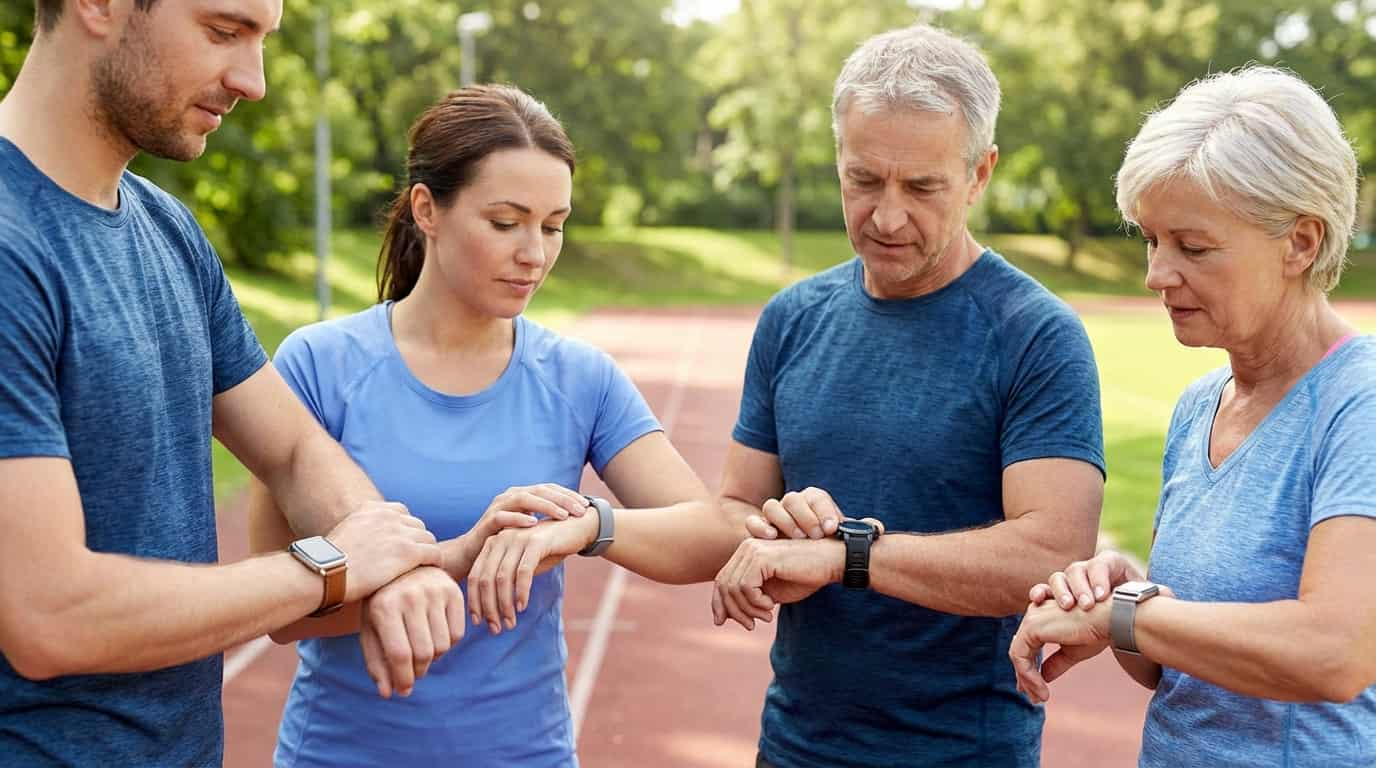
In a world where technology intersects with wellness, selecting the right fitness tracker can feel like navigating a labyrinth. With hundreds of options flooding the market in 2026, from minimalist bands to complex smartwatches, the decision is no longer just about counting steps. It is about finding a companion that understands your physiology and aligns with your lifestyle. Whether you are monitoring signs of irregular heart rhythms or simply trying to stay active, the right device can be transformative.

Table of Contents
Key Takeaways (Zero-Click Summary)
- Identify Intent: Distinguish between general activity tracking and sports performance metrics.
- Sensor Accuracy: Look for multi-path optical sensors for better heart rate data.
- Battery Life: Ranges from 18 hours (smartwatches) to 30 days (hybrid trackers).
- Compatibility: Ensure the device ecosystem matches your smartphone (iOS vs. Android).
We often rush into purchasing the latest gadget without considering the "why." Are you trying to improve your blood pressure management through daily activity, or are you training for a marathon? This guide breaks down the technical jargon into actionable advice.
Defining Your "Why": Activity vs. Training
The first step in choosing a fitness tracker is honest self-reflection. The market is broadly divided into two categories: lifestyle trackers and performance multisport watches. A lifestyle tracker is perfect if your goal is to reduce sedentary time—crucial for preventing issues like cervical pain caused by poor posture and inactivity.
Performance watches, conversely, offer granular data. They don't just tell you that you ran; they analyze your cadence, stride length, and VO2 max. If you are following a rigorous weight loss diet plan, integrating a tracker that syncs with calorie-counting apps is essential for maintaining a caloric deficit.
Critical Features: Beyond Step Counting
In 2026, step counting is a baseline commodity. The real value lies in advanced biometrics. Here is what you need to look for to ensure your device supports holistic health, including monitoring vital signs that could prevent emergencies like a stroke.
1. Heart Rate Variability (HRV)
HRV is the gold standard for recovery tracking. It measures the time variation between heartbeats. A low HRV can indicate stress or overtraining, signaling you to slow down and perhaps practice relaxation techniques like Reiki or meditation. According to the Mayo Clinic, understanding your heart rate zones is vital for safe exercise.
2. Sleep Architecture Tracking
We spend a third of our lives sleeping, yet many neglect it. Modern trackers use accelerometers and SpO2 sensors to detect REM, light, and deep sleep. Good sleep is as vital as nutrition, supporting everything from immune system health to cognitive function.
3. Built-in GPS vs. Connected GPS
Connected GPS piggybacks on your phone's signal, which is fine for walkers. However, runners should opt for Built-in GPS for accuracy without carrying a phone. This feature often drains battery, so check reviews on longevity.
Budgeting for Health: What Do You Get?
Prices range from $50 to over $800. It is important to view this purchase as an investment in your longevity. While saving money is important—perhaps using strategies like smart income management—compromising on sensor accuracy can render the data useless.
| Price Range | Device Type | Key Features | Best For |
|---|---|---|---|
| $50 - $100 | Basic Band | Steps, Sleep, Est. Calories | Beginners, Walkers |
| $150 - $300 | Smart Watch | GPS, SpO2, Apps, ECG | Runners, Health Conscious |
| $400+ | Pro Multisport | Maps, Recovery Metrics, Titanium Build | Triathletes, Outdoor Pros |
Even budget trackers can help you maintain consistency. For example, ensuring you get enough movement can help manage conditions like joint pain, especially when paired with supplements discussed in our article on collagen benefits.
The Ecosystem: Apps and Nutrition
Hardware is only half the battle. The companion app is where the magic happens. The best ecosystems allow you to log food and hydration. Nutrition is a cornerstone of fitness; monitoring your intake prevents you from undoing your hard work. You might track your intake of healthy fats, such as coconut oil, or ensure you are drinking enough liver-supporting teas to aid recovery.
Furthermore, seamless integration with medical data is becoming standard. Being able to export a PDF of your heart rhythm to show your doctor is a feature that saves lives.
Voice Search Optimized FAQ
- "Hey Google, what is the best fitness tracker for seniors?"
- For seniors, look for trackers with fall detection, large displays, and simple interfaces. Brands with ECG capabilities are preferred for monitoring heart health.
- "Alexa, do fitness trackers work for swimming?"
- Yes, but you must check the ATM rating. A rating of 5 ATM (50 meters) is the minimum requirement for surface swimming. Do not use standard IP68 bands for diving.
Safety & Privacy Alert
Mit vs. Realitate (Myth vs. Reality)
Myth: "The 'Calories Burned' number on my watch is 100% accurate."
Reality: It is an estimate based on algorithms. Factors like metabolism and sensor fit can cause variances of up to 20%. Use it as a trend line, not a scientific measurement. See the Stanford study on wearable accuracy for more details.
Ultimately, a fitness tracker is a tool to support your journey, much like expert nutritionist secrets support your diet. It provides the data, but you must provide the effort.

Final Verdict: Making the Choice
The Bottom Line
There is no single "best" tracker for everyone. If you prioritize smartwatch features and have an iPhone, the Apple Watch remains superior. For raw data and battery life, Garmin is the leader. For budget-conscious health tracking, Xiaomi or Fitbit bands offer incredible value.
Remember, the best tracker is the one you will actually wear 24/7. Choose comfort and battery life over flashy features you will never use. Start your journey today, and let technology be the wind in your sails toward a healthier tomorrow.
Disclaimer: This article is for informational purposes only and does not constitute medical advice. Consult a physician before starting any new fitness regime.
