
Key Takeaways
- Chronic inflammation is often the root cause of digestive issues and fatigue.
- Incorporating fermented foods and Omega-3s can restore the microbiome balance.
- A strategic grocery list helps avoid processed triggers and focuses on nutrient density.
- Consistency in diet is more effective than short-term detoxes.
Table of Contents
Have you ever finished a meal only to feel bloated, sluggish, or foggy moments later? You are not alone. In the United States, digestive disorders are becoming increasingly common, often driven by the hidden inflammation caused by our modern diets. The path to healing doesn't necessarily require expensive supplements or complicated protocols; it often starts in the produce aisle. By curating a strategic grocery list, you can transform your kitchen into a pharmacy for your microbiome.

This guide is designed to cut through the noise. We will explore the specific foods that not only soothe irritation but actively repair the gut lining. Understanding what to buy is the first step toward regaining your energy and vitality. If you are struggling with persistent issues, it is crucial to know which foods sabotage digestion so you can avoid them while stocking up on the healers.
The Science of Inflammation and the Gut
The gut is often referred to as the "second brain." It houses trillions of bacteria that influence everything from your immune system to your mood. When the balance of these bacteria is disrupted—a condition known as dysbiosis—the intestinal lining can become permeable. This "leaky gut" allows toxins to enter the bloodstream, triggering systemic inflammation.
Chronic inflammation is a silent fire burning within the body. According to research from the Harvard T.H. Chan School of Public Health, diet is a primary driver of this inflammation. By choosing anti-inflammatory foods, we can dampen this response. It is not just about what you eat, but how your body processes it. For instance, specific fats found in coconut oil can support gut lining integrity, as detailed in our guide on the benefits of coconut oil.
The 12 Essential Anti-Inflammatory Foods
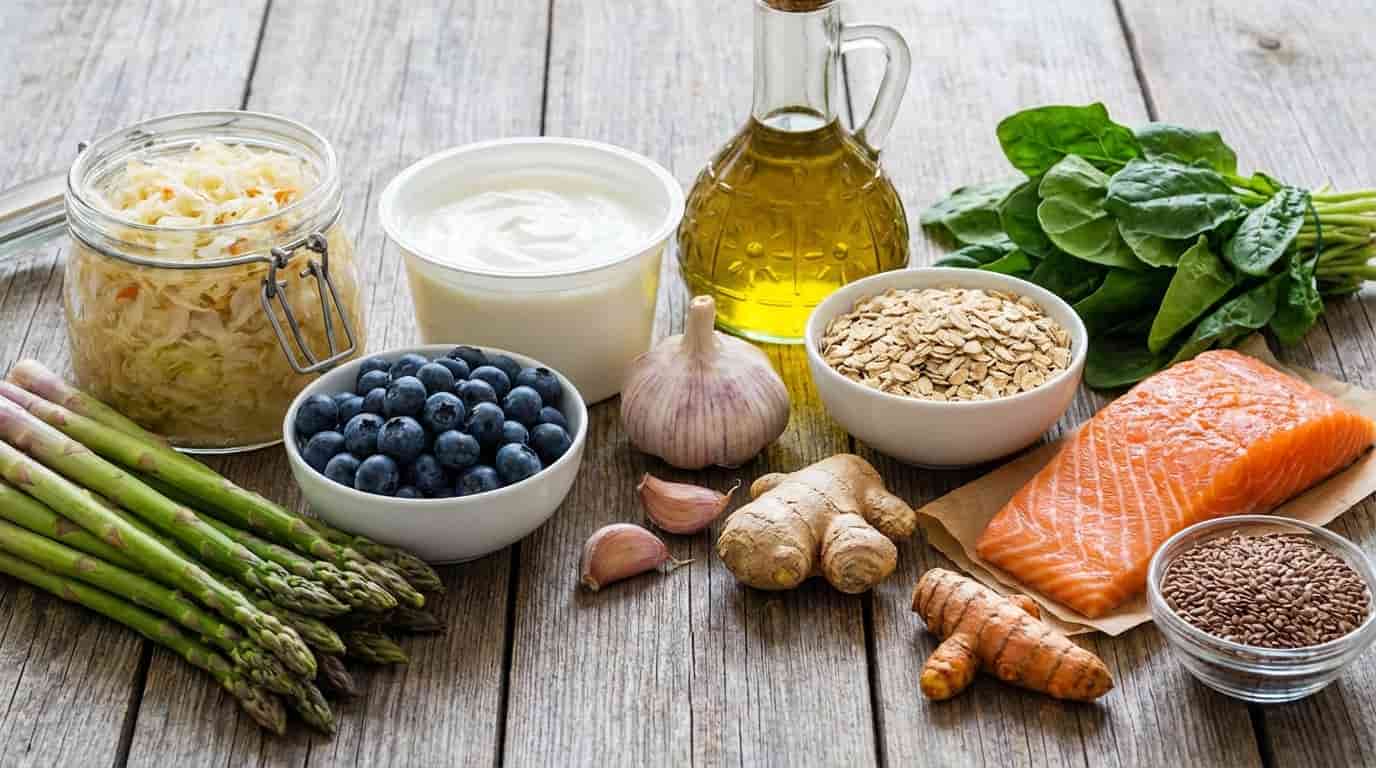
This grocery list is curated to provide a mix of probiotics, prebiotics, healthy fats, and powerful antioxidants.
1. Bone Broth
Bone broth is rich in collagen, gelatin, and amino acids like glutamine. Glutamine is essential for maintaining the integrity of the intestinal wall, acting like "mortar" for the cells of the gut lining. Sipping warm bone broth can be incredibly soothing for an inflamed digestive tract.
2. Fatty Fish (Salmon, Mackerel, Sardines)
These fish are loaded with Omega-3 fatty acids, which are potent anti-inflammatory agents. Omega-3s help increase the diversity of the gut microbiome. This is a staple of the Mediterranean diet, which is widely celebrated for its longevity and health benefits.
3. Ginger
Used for centuries in traditional medicine, ginger helps accelerate gastric emptying, reducing the time food sits in the stomach and causes fermentation or heartburn.
4. Turmeric
Contains curcumin, a compound with powerful anti-inflammatory properties. To maximize absorption, always consume turmeric with a pinch of black pepper and a healthy fat.
5. Leafy Greens (Spinach, Kale, Swiss Chard)
These are packed with fiber and a specific sugar that feeds healthy gut bacteria. This limits the ability of bad bacteria to colonize the gut. They are also high in magnesium; for more on this mineral, check our article on magnesium deficiency signs and food sources.
6. Berries (Blueberries, Raspberries)
Berries are low in sugar but high in polyphenols and fiber. Polyphenols are digested by gut bacteria, promoting the growth of beneficial strains like *Bifidobacteria*.
7. Fermented Foods (Sauerkraut, Kimchi)
These are natural probiotics. They introduce live, beneficial bacteria directly into your digestive system. The Cleveland Clinic notes that incorporating fermented foods can significantly improve immune function.
8. Garlic and Onions
These are powerful prebiotics. Prebiotics are the "fertilizer" for your probiotics, feeding the good bacteria already present in your system.
9. Avocado
Rich in fiber and essential nutrients like potassium, avocados promote healthy digestive function and are gentle on the gut lining.
10. Extra Virgin Olive Oil
A cornerstone of heart and gut health. It contains oleocanthal, which has an effect similar to anti-inflammatory drugs like ibuprofen, but without the side effects.
11. Green Tea
Green tea helps reduce inflammation and can improve gut permeability. It is also beneficial for the liver; you can read more about liver-supporting beverages in our guide to 10 miracle teas for a healthy liver.
12. Flaxseeds
When ground, flaxseeds are an excellent source of soluble fiber, which helps regulate bowel movements and feeds beneficial bacteria.
How to Shop: The Strategy
Navigating the grocery store can be overwhelming. The key is to shop the perimeter of the store, where fresh produce, meats, and seafood are usually located. Avoid the inner aisles where processed foods laden with preservatives and sugars hide.
| Category | Gut Heroes (Buy) | Gut Villains (Avoid) |
|---|---|---|
| Proteins | Wild salmon, Organic chicken, Eggs | Processed deli meats, Hot dogs |
| Grains | Quinoa, Oats, Brown rice | White bread, Sugary cereals |
| Fats | Olive oil, Avocado oil, Coconut oil | Soybean oil, Canola oil, Margarine |
While shopping, consider integrating principles from other healthy dietary approaches. For example, some people find success with low-carb options; understanding the Keto diet explained can offer insights into reducing sugar intake, which feeds bad bacteria.
Expert Advice & Safety Alerts
💡 Specialist's Tip
"Start slow with fiber and fermented foods. Introducing too much, too fast can cause temporary bloating and discomfort as your microbiome adjusts. Think of it as training a muscle—gradual progress is key."
It is also important to note that moderation is key, even with healthy foods. Consuming excessive amounts of animal protein can sometimes be counterproductive. To understand the balance, read about what happens when you eat too much meat. Furthermore, some conditions like fatty liver require specific dietary care; recognizing early symptoms of fatty liver can save your health in the long run.
Herbal Support
Beyond food, certain herbs can support digestion. Teas containing medicinal plants are excellent for soothing the pancreas and digestive tract. Learn more about herbal teas for pancreatitis and general digestive health.
Mit vs. Reality: Gut Health Edition
Reality: Your body naturally detoxifies itself. Fiber from whole foods is far more effective for gut health than sugary juices.
Reality: Your gut relies on diversity. Killing all bacteria with harsh cleanses or antibiotics (unless necessary) harms your digestion. The goal is balance.
Frequently Asked Questions
What is the fastest way to heal a leaky gut?
There is no overnight fix. Consistency is key. Eliminate inflammatory triggers like gluten and sugar, and introduce collagen-rich foods like bone broth. Results typically take 4-12 weeks.
Can I lose weight by healing my gut?
Yes, an imbalanced microbiome can contribute to weight gain. Healing the gut often improves metabolism. For more on this, explore nutritionists' secrets for efficient weight loss.
Do I need supplements?
While food should be your primary medicine, supplements can help. Consult sources like the Mayo Clinic to understand fiber needs before adding supplements.

Final Verdict
Your grocery list is the most powerful tool you have for fighting inflammation and restoring gut health. By focusing on these 12 foods—from bone broth to fermented vegetables—you provide your body with the building blocks it needs to repair itself. Remember, gut health is not a destination but a journey of consistent, mindful choices. Start with your next shopping trip.
Bibliography & Scientific References
- Harvard T.H. Chan School of Public Health. (n.d.). Foods that fight inflammation. Link
- National Institutes of Health (NIH). (n.d.). Human Microbiome Project. Link
- Cleveland Clinic. (n.d.). Probiotics. Link
- Mayo Clinic. (n.d.). Dietary fiber: Essential for a healthy diet. Link
- Arthritis Foundation. (n.d.). Anti-Inflammatory Diet. Link