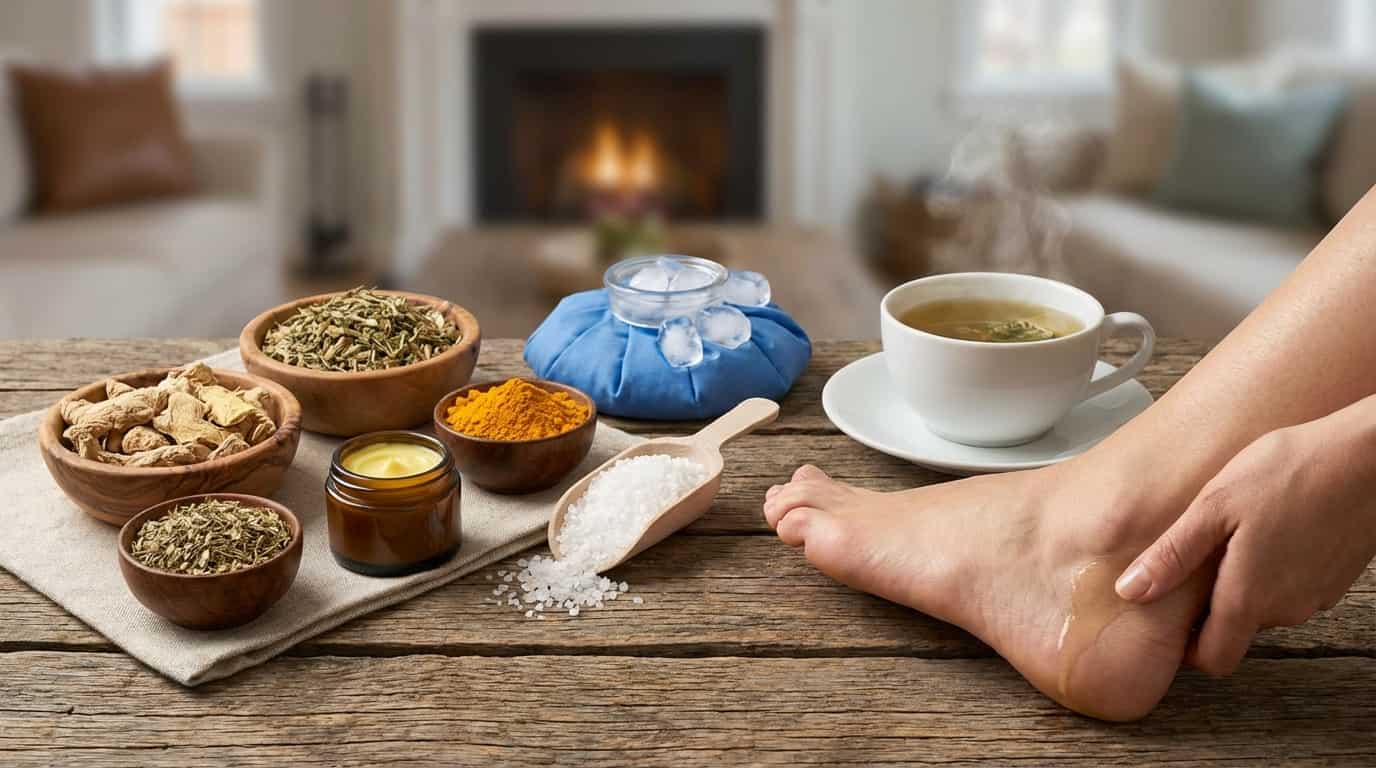
I know exactly how it feels. You take that first step in the morning, and a sharp, piercing pain shoots through your heel or joint, almost taking your breath away. Living with bone spurs (osteophytes) can feel like walking on jagged rocks. While medical intervention is sometimes necessary, I have researched and compiled the most effective strategies to help you manage this condition naturally.
In this guide, I will walk you through 7 proven natural remedies that focus on reducing inflammation and alleviating pressure, allowing you to regain your mobility without immediately resorting to invasive surgery.
Key Takeaways
Cold Therapy: Immediate relief for acute inflammation.
Dietary Changes: Anti-inflammatory foods are crucial for long-term management.
Supplements: Magnesium and collagen support joint structure.
Footwear: Proper arch support can mechanically offload pressure.
Bone spurs, medically known as osteophytes, are bony projections that develop along the edges of bones. They often form where bones meet each other—in your joints. Interestingly, the spur itself isn't always the direct source of pain; rather, it's the friction against soft tissues, nerves, or other bones that causes inflammation.
The body creates these spurs as a repair mechanism in response to continuous stress or pressure over a long period. Conditions like osteoarthritis or tendonitis are common precursors. Understanding this helps us realize that treatment must focus on reducing that stress and inflammation.
1. Targeted Cold Therapy: The First Line of Defense
When pain flares up, inflammation is usually the culprit. Applying ice is one of the quickest ways to numb the area and reduce swelling. It constricts blood vessels, which slows down the rush of inflammatory cells to the site of the spur.
How to Apply:
Use an ice pack or a bag of frozen peas wrapped in a thin cloth.
Apply directly to the painful area for 15–20 minutes.
Repeat 3–4 times a day, especially after activity.
According to the Mayo Clinic, cold therapy remains a gold standard for acute joint pain management. Never apply ice directly to the skin to avoid frostbite.
2. The Apple Cider Vinegar (ACV) Method
Many of my readers swear by Apple Cider Vinegar. While it won't "dissolve" the bone, ACV is rich in minerals and has alkalizing properties that may help balance the body's pH and reduce systemic inflammation.
How To Make an ACV Wrap
Ingredients: Organic Apple Cider Vinegar, warm water, paper towel or cheesecloth.
Soak the paper towel in the vinegar.
Wrap it around the heel or affected joint.
Secure it with plastic wrap or a bandage.
Leave it on for a few hours or overnight.
3. Magnesium-Rich Epsom Salt Baths
Magnesium is vital for bone health and pain relief. Epsom salts (magnesium sulfate) can be absorbed through the skin, helping to relax muscles and reduce inflammation around the bone spur. If you suspect you might be low in this mineral, check out my guide on magnesium deficiency signs to see if you need dietary changes as well.
Additionally, maintaining healthy connective tissue is key. Some people find that combining magnesium therapy with collagen supplements for joints provides a dual-action approach to rebuilding damaged tissue.
4. Anti-Inflammatory Diet Protocol
What you eat directly impacts your pain levels. Processed foods and sugars trigger inflammation markers in the body. I strongly recommend adopting a Mediterranean diet plan, which is naturally high in Omega-3 fatty acids and antioxidants.
Spices like turmeric and ginger are powerful natural painkillers. Incorporating anti-inflammatory rosehip tea into your daily routine can also provide a boost of Vitamin C, which is essential for cartilage repair.
5. Essential Oil Massage
Massaging the area increases blood flow, which brings healing nutrients to the site. However, deep tissue massage directly *on* the spur can be painful. Instead, gently massage the surrounding tissue.
I use carrier oils to protect the skin. The benefits of coconut oil massage are well-documented; it acts as a great base for stronger essential oils like peppermint or frankincense. You might also consider specific anti-inflammatory herbal remedies in oil form to penetrate deeper into the tissue.
6. Corrective Exercises and Stretching
If you have a heel spur, tight calf muscles often exacerbate the problem by pulling on the heel bone. Regular, gentle stretching is non-negotiable.
Simple gentle stretching exercises can relieve tension. For heel spurs, try rolling your foot over a tennis ball. For spinal spurs, consider stress reduction techniques alongside physical therapy to manage pain perception and muscle tension.
The Arthritis Foundation notes that maintaining a healthy weight through low-impact exercise significantly reduces the load on weight-bearing joints affected by spurs.
7. Supportive Footwear and Orthotics
Sometimes, the solution is mechanical. If your shoes don't support your arch, the pressure distribution on your foot changes, encouraging spur formation. Custom orthotics or shoes with a wide toe box and cushioned heel are essential.
For comprehensive joint support, look into bio supplements for articulation that can complement the external support your shoes provide. Additionally, other natural therapies for pain can be used in conjunction with orthotics for a holistic approach.
👨⚕️ Specialist's Note
Always consult with a healthcare provider before starting vigorous exercise. According to Cleveland Clinic, ignoring persistent pain can lead to permanent joint damage. If natural remedies don't show results within 2-3 weeks, imaging might be required.
Remedy Comparison: What Works Best?
Remedy
Best For
Time to Relief
Cold Compress
Acute swelling, immediate pain
Instant (Temporary)
Epsom Salts
Deep aching, muscle tension
30-60 Minutes
Anti-inflammatory Diet
Long-term prevention
2-4 Weeks
Orthotics
Heel spurs, walking pain
Immediate
Mit vs. Reality: Bone Spurs
❌ Myth: You must surgery to remove all bone spurs.
✅ Reality: Most bone spurs do not cause symptoms and do not require removal. Treatment is only needed if they cause pain or restrict motion, and WebMD confirms that non-surgical treatments are effective for the vast majority of patients.
Frequently Asked Questions
Can bone spurs go away naturally?
No, the bone formation itself will not disappear without surgery. However, the *pain* and inflammation caused by the spur can be completely eliminated naturally, making the spur asymptomatic.
Are supplements helpful for bone spurs?
Yes, supplements like curcumin (turmeric), fish oil, and magnesium help reduce the surrounding inflammation. Scientific data from PubMed supports the use of curcumin for managing osteoarthritis pain.
👍 Pros of Natural Remedies
Non-invasive with no recovery time.
Low cost compared to medical procedures.
Holistic benefits for the whole body.
Addresses the root cause (inflammation).
👎 Cons of Natural Remedies
Requires consistency and patience.
Does not remove the physical bone growth.
May not be sufficient for severe nerve compression.
Final Verdict
Living with bone spurs doesn't mean you have to live with pain. By combining immediate relief methods like cold therapy and Epsom salt baths with long-term lifestyle changes like an anti-inflammatory diet and proper footwear, you can regain your quality of life. Start with one or two of these remedies today, and listen to your body.
Next Step: Begin your journey by checking your footwear and trying the Apple Cider Vinegar soak tonight.
Disclaimer: This article is for informational purposes only and does not constitute medical advice. .