
Smart Rings for Heart Health: More Than Just Sleep Tracking
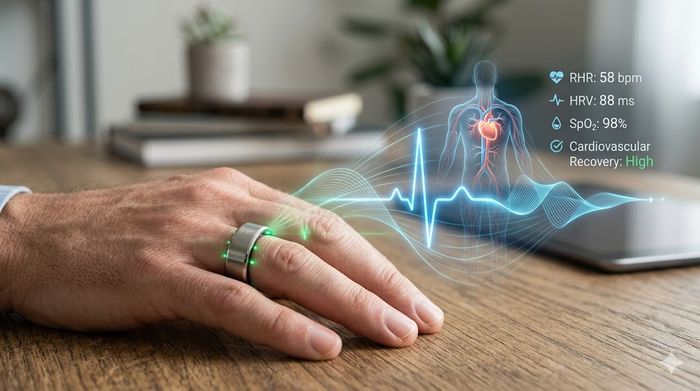
Wearable technology has completely transformed the way we monitor our daily physical activities. For years, the market was heavily dominated by bulky smartwatches and fitness bands that focused primarily on step counts and sleep cycles. However, a major technological shift has brought subtle, sleek, and highly sophisticated devices right onto our fingers. Smart rings have emerged as a powerful force in personal health monitoring, offering deep biometric insights without the distraction of screens or heavy wrist straps. While early generations of these rings were marketed primarily as advanced sleep trackers, modern engineering has expanded their capabilities far beyond the bedroom. Today, these miniature devices serve as continuous, specialized tools for cardiovascular observation, capturing vital signs that reveal a clear picture of your internal well-being.
The human heart is an intricate organ that reacts to every single stressor, movement, emotion, and rest period. Monitoring its behavior throughout the day provides invaluable clues about overall cardiovascular resilience. Because smart rings sit closely against the digital arteries of your fingers, they collect clear, unfiltered data. Understanding how these compact rings capture intricate cardiac metrics allows you to appreciate the sheer complexity of modern health tech. It is no longer just about tracking how many hours you sleep; it is about examining the micro-patterns of your pulse to shield your cardiovascular system from long-term damage.
The Science of Finger-Based Cardiovascular Monitoring
To understand why smart rings are so remarkably effective for heart health tracking, we must first look at human anatomy. The wrist is a traditional spot for health wearables, but it presents several structural challenges for optical sensors. It contains dense tendons, thick bone structures, and deep-seated blood vessels that can easily distort light signals when you move your arm. In contrast, your fingers are packed with a rich, superficial network of capillaries and clear digital arteries. The skin over these blood vessels is incredibly thin, making it the perfect anatomical location for accurate non-invasive optical reading.
Smart rings utilize a specialized method called photoplethysmography to map your blood flow. Tiny light-emitting diodes embedded on the inner band of the ring shine light directly into the skin. As your heart beats, a pulse wave travels through your arteries, causing a rhythmic expansion and contraction of the blood vessels. This change in blood volume alters the amount of light absorbed or reflected back to the ring's optical sensors. By calculating these micro-fluctuations in light reflectivity, the ring determines your pulse rate with incredible precision, often rivaling medical-grade chest straps during periods of rest.
Furthermore, because a ring fits tightly around the base of the finger, it experiences far less shifting and sliding than a loose wristwatch. This stability reduces data corruption caused by movement artifacts. When you walk, talk, or shift positions, the ring maintains constant, uniform contact with your skin, allowing for continuous data streams. This anatomical advantage ensures that the metrics collected are highly reliable, creating a solid foundation for evaluating cardiorespiratory fitness and long-term health trends.
Decoding Key Cardiovascular Metrics Tracked by Smart Rings
A modern smart ring does not simply count heartbeats per minute; it breaks down your cardiac activity into several highly specialized markers. Each of these metrics tells a unique story about your current state of fatigue, fitness, and autonomic balance. By analyzing these data points together, you can gain a deep understanding of your physical boundaries and daily recovery requirements.
Resting Heart Rate (RHR)
Your resting heart rate is the number of times your heart beats per minute when you are completely relaxed, still, and awake. It is a fundamental benchmark of physical fitness and cardiac efficiency. A lower resting heart rate generally implies that your heart muscle is strong, conditioned, and capable of pumping a greater volume of blood with fewer contractions. Smart rings establish your true baseline resting heart rate by taking measurements during deep sleep or prolonged periods of complete immobility, isolating the data from external distractions like caffeine, sudden stress, or physical exertion.
Heart Rate Variability (HRV)
Heart rate variability measures the specific time differences in milliseconds between consecutive heartbeats. Your heart does not beat at a perfectly rigid, robotic rhythm; the intervals vary constantly. This variation is tightly regulated by your autonomic nervous system, which balances the sympathetic branch and the parasympathetic branch. A high heart rate variability indicates that your nervous system is flexible, highly adaptive, and ready to respond positively to environmental challenges. Conversely, a consistently low heart rate variability suggests that your body is trapped in a state of high stress, exhaustion, or underlying inflammation, indicating that your heart requires urgent recovery time.
Blood Oxygen Saturation (SpO2)
Blood oxygen saturation represents the percentage of hemoglobin in your blood that is carrying oxygen from the lungs to the rest of your body. Smart rings monitor this by utilizing red and infrared light sensors that penetrate deep into your finger's vascular pathways. Keeping track of oxygen levels during the night is incredibly helpful for identifying subtle breathing disruptions, poor circulation, or early signs of respiratory strain. Sustained drops in your blood oxygen levels can alert you to underlying complications that place an unnecessary, dangerous workload directly onto your cardiovascular system.
| Cardiovascular Metric | What It Measures | Ideal Trend Directives | Clinical Implications |
|---|---|---|---|
| Resting Heart Rate | Beats per minute during absolute rest. | Gradual decrease over time. | Reflects improved myocardial efficiency. |
| Heart Rate Variability | Time variations between consecutive beats. | Higher numbers or stable baseline. | Indicates robust autonomic nervous function. |
| Blood Oxygen (SpO2) | Percentage of oxygenated hemoglobin. | Consistently between 95% and 100%. | Ensures proper tissue oxygenation. |
Preventative Health: Identifying Early Warnings of Cardiovascular Strain
One of the most profound benefits of wearing a smart ring is the ability to shift from a reactive mindset to a proactive, preventative health lifestyle. Most people only notice issues with their heart when they develop severe symptoms like palpitations, intense dizziness, or chest discomfort. By that time, the cardiovascular system has likely been under quiet, unmanaged stress for months. Smart rings act as continuous early warning systems, tracking subtle deviations in daily data long before physical symptoms surface.
For instance, if your baseline resting heart rate suddenly spikes by several beats over consecutive days while your heart rate variability drops sharply, your ring is signaling a disturbance. This specific pattern often points to chronic overtraining, an brewing viral infection, or severe mental exhaustion. By recognizing these hidden red flags early, you can modify your habits, skip heavy workouts, adjust your schedule, or focus deeply on stress management to give your body a chance to recover. It allows you to step in before minor physiological strains transform into full-blown medical issues.
Furthermore, tracking long-term trends allows users to assess the real impact of their lifestyle changes. If you start a new aerobic exercise program, cut back on processed foods, or prioritize consistent bedtime routines, you will visually observe your resting heart rate decline and your heart rate variability improve over the weeks. This immediate biofeedback provides a powerful form of validation, proving that your daily choices are actively enhancing your physical longevity and optimizing your cardiac health.
Smart Rings vs. Smartwatches: A Cardiac Tracking Comparison
When choosing a health wearable, many people face a dilemma: should they invest in a fully loaded smartwatch or a minimalistic smart ring? Both devices offer unique benefits, but they serve completely different lifestyles, comfort preferences, and data tracking goals. Smartwatches are incredibly versatile, providing large digital touchscreens, direct phone notifications, onboard GPS tracking, and real-time exercise updates. They are fantastic tools for athletes who want to monitor their exact running pace, track power outputs, or read incoming messages while working out. However, their size and weight can make them uncomfortable to wear continuously, especially during sleep when vital baseline heart metrics are collected.
Smart rings excel where smartwatches often struggle: continuous, distraction-free monitoring. Because they do not have a glowing screen or vibrate with endless social media alerts, they encourage a healthier relationship with technology. They are exceptionally light, comfortable, and unobtrusive, making them easy to wear 24 hours a day without causing wrist irritation or disrupting your sleep. This high level of comfort translates directly to consistent data collection. While smartwatch users often take their devices off at night to charge or give their skin a break, smart ring users keep their devices on, ensuring a seamless, uninterrupted log of daily and nightly biometrics.
From an architectural perspective, the constant snug fit of a ring against the finger creates a superior environment for accurate optical heart tracking compared to a heavy watch bouncing around on a moving wrist. However, it is essential to remember that smart rings are not designed to replace high-intensity fitness tracking. They do not show you live maps or give you immediate visual feedback mid-sprint. Instead, they function as silent, steady observers, collecting rich, highly detailed internal health trends that help you understand your body on a deeper clinical level.
The Path Forward: Practical Tips for Maximizing Ring Data Accuracy
To get the absolute most out of your smart ring and ensure that your cardiovascular trends are incredibly precise, you should follow several important practical guidelines. Sizing is the single most critical factor. A smart ring must fit snugly around the base of your chosen finger without being painfully tight or restrictive. If the ring is too loose, it will spin or slide, causing air gaps that allow external ambient light to distort the optical sensors. Most manufacturers offer a dedicated sizing kit before shipping the real device; you should wear the plastic sample ring for a full 24 hours to observe how your finger naturally swells during sleep or changes with temperature fluctuations.
Choosing the right finger can also improve your overall data quality. Most health tech developers recommend wearing the smart ring on your index finger for optimal sensor alignment, though the middle or ring fingers can also provide reliable results if the fit is perfectly secure. Keep the inner sensors clean by wiping the inside of the ring occasionally with a soft cloth to remove lotions, sweat, or dead skin cells that might block the light paths. Additionally, try to avoid wearing other heavy metal rings right next to your smart ring to prevent scratching or accidental structural misalignment.
Finally, focus your attention on long-term data trends rather than reacting anxiously to single, isolated daily numbers. Your heart rate and heart rate variability will naturally fluctuate based on a poor night's sleep, a heavy meal late at night, or temporary workplace stress. Look at your weekly and monthly rolling averages to truly understand your cardiovascular trajectory. By using the technology as a long-term advisory tool, you can make permanent, impactful lifestyle changes that safeguard your heart and enhance your physical vitality for years to come.
Frequently Asked Questions
Can a smart ring accurately detect a heart attack?
No, commercial smart rings cannot diagnose a heart attack. While they track daily metrics like resting heart rate and heart rate variability, they do not replace medical-grade electrocardiograms or clinical evaluations. If you experience chest pain or pressure, you must seek emergency medical care immediately.
How does a smart ring measure your heart rate?
Smart rings use photoplethysmography technology. This involves shining miniature infrared or green LED lights through the skin of your finger. The optical sensors measure the changes in light absorption caused by blood pulsing through your blood vessels, calculating your pulse rate and blood volume changes.
Why is finger-based heart tracking considered highly reliable?
The fingers contain a dense network of highly accessible arteries close to the skin surface. Unlike wrists, where movement, tendons, and deeper fat layers can interfere with optical sensors, the finger provides a stable, snug fit that allows continuous, clear data collection with minimal movement artifacts.
What does a sudden drop in heart rate variability mean?
A significant, sudden drop in heart rate variability usually indicates that your body is under physical or psychological stress. This can be caused by oncoming illness, sleep deprivation, intense overtraining, or chronic anxiety, signaling that your autonomic nervous system is struggling to recover properly.
© Copyright SorinBlogger