
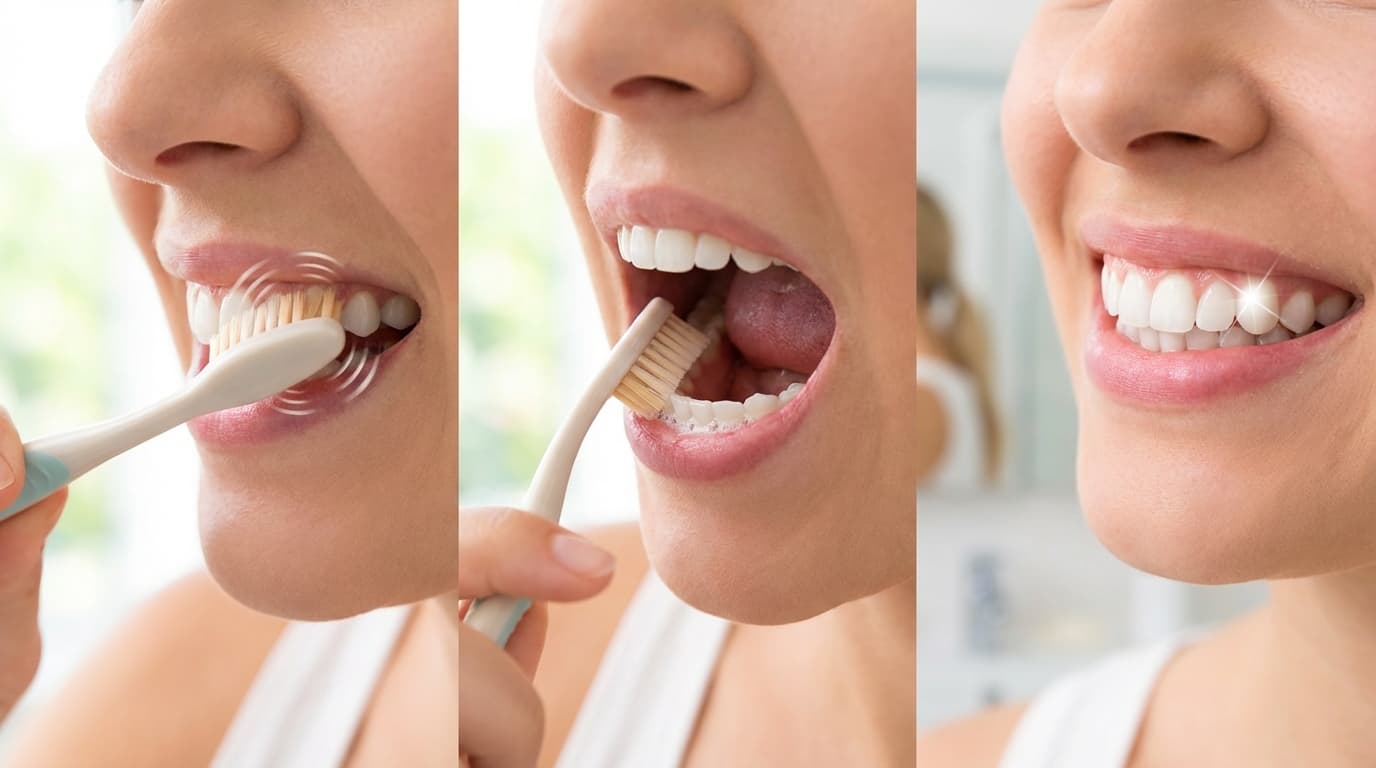

Why Proper Brushing Technique Matters
You might think that simply moving a brush across your teeth is enough, but the biology of your mouth is complex. The primary enemy is plaque, a sticky film of bacteria that forms on teeth. If not removed, it hardens into tartar, which can lead to gum disease. Interestingly, oral health is deeply connected to systemic health. For instance, chronic inflammation in the mouth can exacerbate other conditions. Just as we discuss the risks of inflammation in our guide on smoking and Crohn's disease, neglecting oral hygiene can trigger inflammatory responses throughout the body.
Furthermore, poor oral hygiene has been linked to cardiovascular issues. The bacteria Streptococcus mutans is the main culprit for cavities, but periodontal pathogens can enter the bloodstream. This is why establishing a robust routine is non-negotiable for long-term health.
Choosing the Right Tools
Before you even begin brushing, you need the right equipment. The debate between manual and electric toothbrushes is ongoing, but both can be effective if used correctly.
| Feature | Manual Toothbrush | Electric Toothbrush |
|---|---|---|
| Cost | Low ($2 - $5) | High ($30 - $200) |
| Ease of Use | Requires good technique | Does most of the work |
| Timer | None (Guesswork) | Built-in (2 minutes) |
Regardless of the brush, always choose soft bristles. Hard bristles can erode enamel and damage gums. If you are looking for natural ways to support gum elasticity, consider that collagen plays a role in soft tissue health, much like its benefits for skin discussed in our article on Collagen Booster benefits.
Step-by-Step Guide: The Modified Bass Technique
The most recommended method by dental professionals is the Modified Bass Technique. Here is how I implement it daily:
1. The 45-Degree Angle
Place your toothbrush at a 45-degree angle to the gums. The bristles should contact both the tooth surface and the gum line. This is crucial because bacteria hide in the gum pockets. For detailed visual guides, organizations like the American Dental Association (ADA) provide excellent resources on this angulation.
2. Gentle Circular Motions
Avoid the "sawing" back-and-forth motion. Instead, use short, gentle circular or vibratory strokes. Move the brush back and forth in tooth-wide strokes.
3. Don't Forget the Inner Surfaces
To clean the inside surfaces of the front teeth, tilt the brush vertically and make several up-and-down strokes. This area is prone to heavy tartar buildup.
💡 Specialist Advice
Most people brush for only 45 seconds. I recommend setting a timer on your phone or using a dedicated bathroom clock to ensure you hit the full two minutes. Dividing your mouth into four quadrants (30 seconds each) ensures no tooth is left behind.
Common Mistakes That Damage Your Teeth
Even with good intentions, mistakes happen. One major error is brushing too hard. Aggressive brushing wears down enamel and pushes gums back. If you suffer from gum sensitivity, you might find relief by incorporating natural anti-inflammatories into your diet. For instance, Vitamin C is vital for gum repair, a benefit highlighted in our article on Rosehip Tea benefits.
Another mistake is ignoring the tongue. Bacteria accumulate there, causing bad breath. Many modern toothbrushes have a tongue scraper on the back, or you can use a dedicated tool. According to the Mayo Clinic, cleaning your tongue is an essential part of reducing oral bacteria load.
The Role of Diet and Supplements
External care must be supported by internal nutrition. A diet high in sugar feeds the bacteria that create acid, which destroys enamel. I always advise balancing your diet with foods that support cellular health. For example, some studies suggest that antioxidants found in fruits and vegetables can support oral tissues, similar to how certain fruits aid in fighting abnormal cells.
Additionally, natural remedies like "oil pulling" have gained popularity. Swishing with coconut oil can reduce bacterial load. You can read more about the versatility of this ingredient in my post on Coconut Oil Benefits. Furthermore, keeping your liver healthy helps in detoxification, which indirectly benefits overall health; consider exploring teas for liver health to maintain a balanced system.
Natural Bio Products
If you prefer avoiding harsh chemicals in commercial toothpastes, look for bio-certified alternatives. I have reviewed various Quality Bio Products that are gentle yet effective. Sometimes, oral pain can be referred or related to other inflammatory conditions; managing overall body inflammation, as discussed in my article on Cervical Pain Solutions, contributes to a healthier lifestyle.
Remember: Wait at least 30 minutes after eating acidic foods before brushing to avoid scrubbing acid into the enamel.
Frequently Asked Questions
Is flossing really necessary?
Absolutely. A toothbrush cannot reach the tight spaces between teeth. Flossing removes plaque that leads to cavities and gum disease. Sources like WebMD emphasize that flossing is integral to a complete routine.
Can I use baking soda to whiten my teeth?
While baking soda can remove surface stains, it is abrasive. Using it too frequently can damage enamel. It's safer to use whitening products approved by dental associations. Consult Healthline for more details on safe whitening.
How do I handle sensitive teeth?
Switch to a toothpaste designed for sensitive teeth (containing potassium nitrate) and use an extra-soft toothbrush. Avoid highly acidic foods.
Should I rinse with water after brushing?
Surprisingly, no. Rinsing immediately washes away the concentrated fluoride from the toothpaste. Simply spit out the excess foam and leave the residue to protect your enamel. The NHS specifically advises against rinsing immediately after brushing.
Pros and Cons of Mouthwash
Pros
- Freshens breath effectively.
- Reduces bacteria load.
- Fluoride rinses strengthen enamel.
Cons
- Alcohol-based versions can dry the mouth.
- Masks bad breath rather than curing the cause.
- Can be expensive over time.

Final Verdict
Achieving a healthier smile is not about aggressive scrubbing or expensive gadgets; it is about consistency and technique. By adopting the Modified Bass Technique, choosing the right tools, and understanding the connection between your diet and your oral health, you can prevent costly dental procedures down the line. Remember, your mouth is the gateway to your body—treat it with the care it deserves. If you have any further questions or want to discuss health topics, feel free to visit my Contact Page.
Disclaimer: The content provided in this article is for informational purposes only and does not constitute medical advice. Always consult with a qualified dentist or healthcare provider regarding any dental conditions or treatments.
