Finding the perfect balance between staying satisfied and keeping your calorie count in check is often the hardest part of maintaining a healthy lifestyle. We’ve all been there—reaching for a bag of chips or a sugary granola bar at 3:00 PM, only to find ourselves even hungrier an hour later. The secret to breaking this cycle lies in protein. High-protein, low-calorie snacks are the holy grail of nutrition because protein is the most satiating macronutrient. It takes longer to digest, stabilizes blood sugar levels, and helps preserve lean muscle mass, making it your best ally for weight management and sustained energy.

The Science of Protein and Satiety
Why exactly does protein keep you full? When you consume protein, your body releases hormones like cholecystokinin (CCK), glucagon-like peptide-1 (GLP-1), and peptide YY (PYY). These signals tell your brain that you are full and satisfied. Simultaneously, protein reduces the levels of ghrelin, the infamous "hunger hormone." This dual action is why a hard-boiled egg feels significantly more filling than a handful of crackers, even if the calorie counts are identical.
In the United States, the average snack is often high in processed carbohydrates and unhealthy fats. These cause rapid spikes in insulin, leading to a subsequent crash that triggers more cravings. By pivoting toward high-protein options, you create metabolic stability. Whether you are following a keto diet, a low-carb plan, or simply trying to eat "clean," focusing on protein-to-calorie density is the smartest way to snack.
Protein-to-Calorie Ratio: What to Look For
When choosing a snack, aim for at least 10 grams of protein for every 100 to 150 calories. This ensures that the food is actually providing the nutritional "bang for your buck" that your body needs to fuel recovery and keep hunger at bay. Let's dive into the best options available today.
Top Dairy-Based High-Protein Snacks
Dairy products are some of the most accessible sources of high-quality protein. They contain all nine essential amino acids required for muscle maintenance.
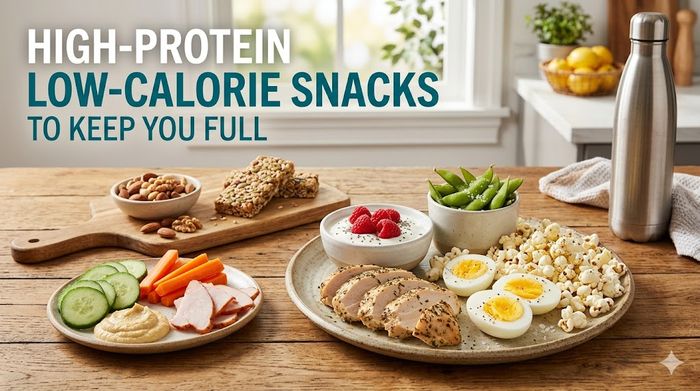
- Non-Fat Greek Yogurt: A standard 6-ounce serving provides roughly 15-18 grams of protein for only 100 calories. It's also packed with probiotics for gut health.
- Cottage Cheese: Often overlooked, 1/2 cup of low-fat cottage cheese boasts 14 grams of protein and about 80 calories. Mix it with pineapple or black pepper for a savory twist.
- String Cheese: A single stick of light string cheese typically has 6-8 grams of protein and only 50-70 calories, making it a perfect on-the-go option.
| Snack Item | Protein (g) | Calories (approx.) |
|---|---|---|
| Greek Yogurt (6oz) | 17g | 100 |
| Cottage Cheese (1/2 cup) | 14g | 80 |
| Light String Cheese | 7g | 50 |
Plant-Based Protein Snacks for Satiety
You don't need meat or dairy to hit your protein goals. Plant-based snacks often bring the added benefit of fiber, which works alongside protein to keep you feeling full.
Edamame (Steamed Soybeans)
One cup of edamame provides nearly 18 grams of protein and 8 grams of fiber for roughly 180 calories. It is a complete protein, meaning it contains all essential amino acids, which is rare in the plant world.
Roasted Chickpeas
If you crave something crunchy like chips, roasted chickpeas are your savior. Half a cup contains about 7 grams of protein and 6 grams of fiber. They are easy to make at home with a little olive oil and sea salt.
Convenient Meat-Based Snacks
For those who prefer savory snacks, lean meats are an incredible way to pack in protein without excess fat or carbs.
- Turkey Jerky: Turkey jerky is usually leaner than beef jerky. An ounce typically provides 10-12 grams of protein for around 60-80 calories. Just watch for added sugars in the marinades.
- Canned Tuna or Salmon Pouches: These are shelf-stable and incredibly high in protein. A single pouch can offer 17-20 grams of protein and very few calories. It's the ultimate "office desk" snack.
- Hard-Boiled Eggs: The classic. One large egg has 6 grams of protein and 70 calories. They are easy to meal prep and keep in the fridge for up to a week.
The Importance of Volume: Low-Calorie Add-Ons
A great strategy for feeling full is "volume eating." This involves pairing your protein source with high-volume, low-calorie vegetables. This tricks your brain into thinking you are eating a massive meal because your stomach physically expands.
For example, instead of eating just two tablespoons of hummus (which is mostly healthy fats), dip large amounts of celery, cucumber slices, or bell peppers into it. You get the crunch and the satisfaction of "mindless eating" without the caloric penalty.
Smart Snacking Tips for Busy Lifestyles
Even with the best intentions, hunger can strike when we are least prepared. Here are three ways to ensure you always have a high-protein, low-calorie option ready:
1. Prep Your Protein First
Spend Sunday afternoon boiling eggs, portioning out yogurt containers, and chopping veggies. If the healthy choice is the easiest choice, you are 90% more likely to make it.
2. Read Labels Carefully
Many "protein bars" are actually glorified candy bars with 20 grams of sugar and 300 calories. Look for bars that have at least 15 grams of protein and less than 5 grams of sugar.
3. Hydrate Before You Snack
Thirst often masks itself as hunger. Drink a glass of water before reaching for a snack. If you’re still hungry after ten minutes, then go for your high-protein choice.
Common Snacking Mistakes to Avoid
Even when choosing "healthy" foods, it is easy to overconsume calories. Here is where many people go wrong:
- The Nut Trap: While nuts have protein, they are primarily a fat source. A small handful can easily contain 200 calories. Use them as a garnish rather than a primary protein source if calories are your concern.
- Dried Fruit: This is essentially concentrated sugar. It won't keep you full and can lead to a calorie surplus quickly.
- Liquid Calories: Smoothies can be healthy, but because the fiber is broken down, your brain doesn't register the fullness as effectively as chewing whole food.
Building Your Own High-Protein Snack Pack
Creating a custom snack pack allows you to control the ingredients and costs. A great "Bento Style" snack pack for a US office worker might include:
- 2 slices of deli turkey breast (wrapped around a pickle)
- 1 light string cheese
- Handful of cherry tomatoes
- Total: ~140 calories, 20g protein.
This combination provides different textures—crunchy, creamy, and chewy—which increases psychological satisfaction alongside physical satiety.
The Role of Fiber in Snacking
While this guide focuses on protein, fiber is its best friend. Fiber slows down gastric emptying even further. When you combine a high-protein food with a high-fiber food, you create a "fullness powerhouse." Think of an apple with a tablespoon of PB2 (powdered peanut butter) or a high-fiber cracker with a slice of lean ham.
Conclusion: Mastering the Art of the Snack
Snacking isn't the enemy of weight loss; unplanned, low-protein snacking is. By prioritizing high-protein, low-calorie options like Greek yogurt, lean meats, and legumes, you can silence hunger and fuel your body for whatever the day brings. Remember, the best snack is one that you actually enjoy and that keeps you from overeating at your next meal.

Final Verdict
The key to success with high-protein low-calorie snacks is variety and preparation. Don't let yourself get bored. Rotate between savory jerky, sweet Greek yogurt, and crunchy roasted chickpeas. By keeping your protein intake high and your calories low, you're not just snacking—you're strategically fueling your success. Start by picking three snacks from this list today and incorporating them into your weekly routine.
