
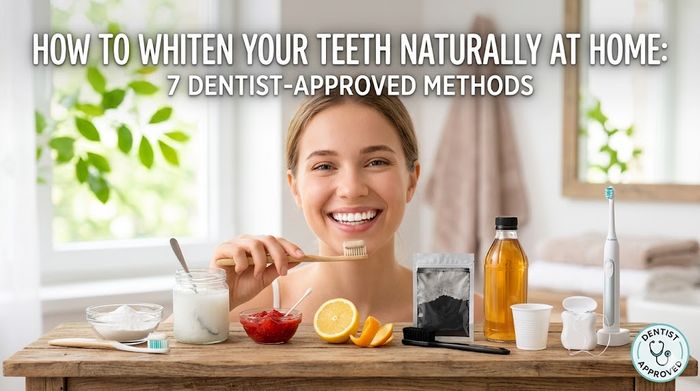
We’ve all been there—scrolling through social media or looking in the mirror, wishing our smiles were just a few shades brighter. A radiant, white smile is often associated with health, confidence, and youth. However, professional whitening treatments can be expensive, and some people find them too harsh for sensitive teeth. The good news is that you don't always need chemical bleaches to achieve a luminous glow. Many effective solutions are likely already sitting in your kitchen pantry.

Understanding Why Teeth Turn Yellow
Before diving into the remedies, it’s helpful to understand the "why." Teeth lose their luster for two main reasons: extrinsic staining and intrinsic thinning. Extrinsic stains come from the outside—think coffee, red wine, dark sodas, and smoking. These substances contain pigments called chromogens that stick to the white outer shell of your tooth, the enamel.
Intrinsic changes happen from within. Beneath your hard enamel is a softer, yellowish tissue called dentin. As we age, the enamel layer naturally thins out due to wear and tear, allowing the yellow dentin to show through more prominently. Natural whitening focuses on either scrubbing away the surface stains or preventing the enamel from eroding further.
1. The Ancient Art of Oil Pulling
Oil pulling is a traditional Ayurvedic remedy originating from India. It involves swishing oil in your mouth to remove bacteria and promote oral hygiene. While it might sound unusual, many people swear by it for its detoxifying effects. Coconut oil is the preferred choice because it has a pleasant taste and contains lauric acid, which is known for its ability to reduce inflammation and kill bacteria.
How to do it: Put one tablespoon of organic coconut oil in your mouth. Push and pull the oil through your teeth for about 15–20 minutes. Do not swallow it, as the oil becomes loaded with bacteria. Once finished, spit it into a trash can (to avoid clogging pipes) and rinse with water before brushing your teeth as usual.
2. Brushing with Baking Soda and Peroxide
Baking soda (sodium bicarbonate) has natural whitening properties, which is why it’s a staple ingredient in many commercial toothpastes. It’s a mild abrasive that can help scrub away surface stains. Additionally, it creates an alkaline environment in your mouth, preventing the growth of harmful bacteria.
When combined with hydrogen peroxide—a natural bleaching agent—the results are even more noticeable. A study found that toothpaste containing baking soda and peroxide was more effective at removing stains than standard toothpaste.
Natural Whitening Methods Comparison
| Method | Primary Benefit | Frequency |
|---|---|---|
| Oil Pulling | Bacteria removal & gum health | Daily |
| Baking Soda | Mild surface stain removal | 2-3 times per week |
| Apple Cider Vinegar | Bleaching stubborn stains | Once a week (diluted) |
| Fruit Enzymes | Natural plaque breakdown | Incorporated into diet |
3. Use Apple Cider Vinegar (With Caution)
Apple cider vinegar (ACV) has been used for centuries as a natural disinfectant and cleaning agent. Acetic acid, the main active ingredient in ACV, effectively kills bacteria and can break down stubborn surface stains. However, because it is acidic, it also has the potential to erode tooth enamel if used too frequently or in high concentrations.
To use it safely, dilute it with water and use it as a mouthwash for just a minute. Be sure to rinse your mouth with plain water immediately afterward. Think of this as a weekly deep-clean rather than a daily habit.
4. Incorporate Fruit Enzymes
Nature has its own set of whitening tools hidden in fruits. Strawberries and pineapples are two fruits that have been claimed to help whiten teeth. Strawberries contain malic acid, which is said to remove discoloration, while pineapples contain bromelain, an enzyme that can break down plaque.
While eating these fruits is generally healthy, be mindful of their sugar and acid content. A better way to leverage their power is to simply eat them as part of a balanced diet, allowing the mechanical action of chewing to stimulate saliva, which naturally cleans the teeth.
5. Activated Charcoal
Activated charcoal has become a viral sensation in the beauty world. It’s a highly absorbent substance that can bind to toxins and surface stains caused by coffee or wine. Because it is porous, it acts like a magnet for impurities.
However, dentists warn that charcoal can be quite abrasive. If you use it, do not scrub hard. Dab it onto your teeth, let it sit for a few minutes, and rinse thoroughly. Limit this practice to once a month to protect your enamel.
6. Dietary Changes for a Brighter Smile
Sometimes, the best way to whiten your teeth is to prevent them from staining in the first place. Your diet plays a massive role in the color of your teeth. High-pigment foods like blueberries, soy sauce, and curry can leave lasting marks.
- Limit Staining Beverages: If you can't give up your morning coffee, try drinking it through a straw to minimize contact with your front teeth.
- Crunchy Fruits and Veggies: Apples, celery, and carrots act like natural toothbrushes. Their crunchy texture helps scrub plaque away as you chew.
- Dairy Products: Cheese and yogurt are rich in calcium and phosphorus, which help strengthen enamel and prevent yellowing.
7. Master the Basics: Brushing and Flossing
It might sound simple, but the most effective "natural" method is consistent, high-quality oral hygiene. Many people brush for less than a minute, leaving behind plaque that eventually turns into tartar. Tartar is porous and picks up stains much more easily than clean enamel.
Brushing twice a day for a full two minutes and flossing daily ensures that food particles don't have the chance to sit and discolor your smile. Adding an alcohol-free fluoride rinse can further protect your enamel from thinning.
A Note on Sensitivity
If you experience any pain or heightened sensitivity while trying these home remedies, stop immediately. Everyone's enamel thickness is different, and what works for a friend might be too abrasive for you. Always consult with your dentist before starting a new whitening regimen, especially if you have existing dental work like crowns or veneers, as natural methods will not change the color of synthetic materials.

Verdict: Can You Really Whiten Teeth at Home?
The answer is a resounding yes, but with a caveat: patience is key. Natural methods work gradually and are best for maintaining a bright smile rather than achieving a dramatic transformation overnight. By combining oil pulling, baking soda, and a clean diet, you can noticeably lift surface stains and keep your breath fresh. Remember, the healthiest smile is not always the whitest one—it’s the one that is free from decay and gum disease. Embrace these natural tips, stay consistent, and let your confidence shine through your beautiful, natural smile.