In today's fast-paced, constantly connected world, millions of Americans experience the heavy burden of anxiety. The pressure of daily responsibilities, combined with an overwhelming influx of digital information, has made chronic stress a modern epidemic. While conventional medicine offers valuable tools for managing severe conditions, an increasing number of people are looking toward a different path. They want to know how to heal themselves naturally, without relying solely on pharmaceuticals. This is where the power of natural home remedies for anxiety comes into play. Taking a holistic approach doesn't just mask the symptoms; it addresses the root causes of nervous system dysregulation, helping you reclaim your peace of mind from the ground up.

Understanding how to navigate anxiety holistically requires us to look at the body and mind as deeply interconnected systems. True healing involves evaluating what we put into our bodies, how we move, how we rest, and how we process our thoughts. From centuries-old herbal formulations to modern nutritional psychiatry, there is a wealth of accessible, natural strategies that you can implement in the comfort of your own home. In this comprehensive guide, we will explore a multitude of proven, natural methods designed to soothe your nervous system, lower cortisol levels, and bring your body back into a state of equilibrium.
The Foundations of Holistic Anxiety Relief
To effectively use natural home remedies for anxiety, it is vital to first understand what the holistic approach entails. Holistic medicine is a form of healing that considers the whole person—body, mind, spirit, and emotions—in the quest for optimal health and wellness. When it comes to anxiety, this means we do not view feelings of panic or chronic worry as isolated brain glitches. Instead, we view them as warning signals from the body indicating that an underlying system is out of balance.
Anxiety is biologically rooted in the "fight or flight" response, heavily governed by the amygdala and the release of stress hormones like cortisol and adrenaline. When we face genuine danger, this mechanism saves our lives. However, in modern society, non-life-threatening stressors (like an impending deadline or a sudden email) trigger the exact same physiological cascade. If the body is chronically triggered, the nervous system becomes dysregulated, leaving you in a perpetual state of high alert. Reversing this requires intentional, daily practices that stimulate the parasympathetic nervous system—the "rest and digest" mode. By combining herbal remedies, nutritional changes, and mindful habits, we can teach the brain that it is safe.
Potent Herbal Remedies for Nervous System Support
For thousands of years, indigenous cultures and traditional medicine systems have utilized the power of plants to calm the mind. Botanical remedies offer some of the most effective and gentle ways to manage anxiety symptoms without the heavy side effects often associated with pharmaceutical interventions. Here are some of the most heavily researched and widely used herbs for natural anxiety relief.
Ashwagandha: The Stress Adaptogen
Ashwagandha is a cornerstone of Ayurvedic medicine and functions as an "adaptogen." Adaptogens are unique therapeutic plants that help the body resist physiological and psychological stress by adapting to the needs of the environment. Clinical studies have shown that Ashwagandha root extract significantly reduces cortisol levels. By regulating the hypothalamic-pituitary-adrenal (HPA) axis, this herb helps to mute the body's overactive stress response, allowing you to feel more grounded and resilient when facing daily pressures.
Chamomile: Gentle and Effective
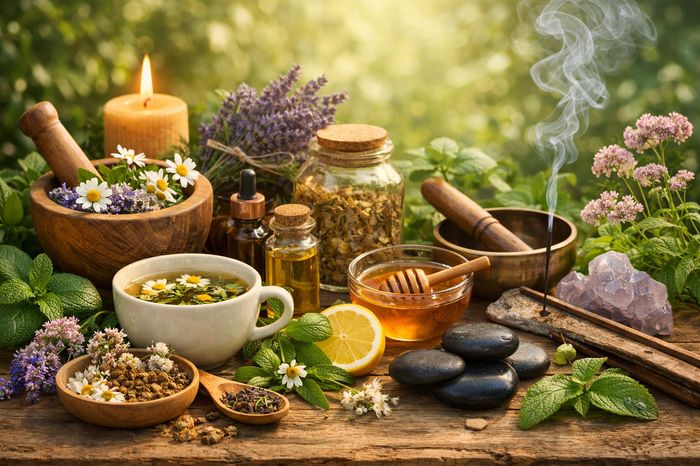
Often consumed as a warm, comforting tea before bed, Chamomile is far more than an old wives' tale. This daisy-like plant contains an antioxidant called apigenin, which binds to specific receptors in your brain that may decrease anxiety and initiate sleep. These are the same receptors (GABA receptors) targeted by prescription anti-anxiety drugs, but chamomile interacts with them far more gently. Sipping on organic, high-quality chamomile tea is one of the easiest natural home remedies for anxiety you can integrate into your daily routine.
Passionflower and Lemon Balm
Passionflower has long been used in traditional herbal medicine to treat restlessness and agitation. Research suggests it helps boost the level of gamma-aminobutyric acid (GABA) in your brain. This compound lowers brain activity, which helps you relax and sleep better. Lemon Balm, a member of the mint family, is another excellent herb that has been used since the Middle Ages to reduce stress and anxiety, promote sleep, and improve appetite. Studies indicate that combining lemon balm with other calming herbs like valerian root can significantly reduce anxiety levels in adults.
Nutritional Psychiatry: Healing Anxiety Through Diet
The connection between what you eat and how you feel is undeniable. The emerging field of nutritional psychiatry emphasizes that our dietary choices are critical in managing our mental health. Your brain operates 24/7, and it requires a constant supply of premium fuel. If that fuel is derived from high-quality whole foods containing antioxidants, vitamins, and minerals, your brain functions optimally. Conversely, diets high in refined sugars and processed foods can promote inflammation and oxidative stress, both of which are strongly linked to increased anxiety and depression.
The Gut-Brain Axis
You cannot discuss natural home remedies for anxiety without addressing the gut-brain axis. Your gastrointestinal tract is lined with millions of neurons, and amazingly, about 95% of your body's serotonin—a key neurotransmitter responsible for regulating mood—is produced in your digestive tract. Therefore, nurturing your gut microbiome is essential for mental well-being. Incorporating probiotic-rich foods such as kefir, sauerkraut, kimchi, and plain yogurt can help maintain a healthy balance of gut bacteria, which in turn communicates feelings of calm to the brain via the vagus nerve.
Key Nutrients to Combat Anxiety
- Magnesium: Often referred to as "the original chill pill," magnesium plays a role in over 300 enzymatic reactions in the body. A deficiency can lead to increased anxiety, muscle tension, and insomnia. Incorporate leafy greens, almonds, black beans, and pumpkin seeds to naturally boost your magnesium intake.
- Omega-3 Fatty Acids: Found abundantly in wild-caught salmon, chia seeds, and walnuts, Omega-3s are vital for brain health. They help reduce cellular inflammation and ease the symptoms of clinical anxiety.
- Complex Carbohydrates: Unlike simple sugars that spike your blood glucose and mimic panic symptoms (like a racing heart), complex carbs like oats, quinoa, and sweet potatoes help stabilize blood sugar and increase serotonin production.
Lifestyle Modifications: Movement, Rest, and Environment
Supplementing with herbs and improving your diet are incredibly powerful tools, but they must be supported by foundational lifestyle changes. A truly holistic approach looks at the rhythm of your days and the environments you inhabit. Stress is cumulative, but thankfully, so is relaxation.
The Power of Somatic Movement
Exercise is one of the most thoroughly documented natural home remedies for anxiety. Physical activity burns off the excess adrenaline generated by stress and triggers the release of endorphins, the body's natural painkillers and mood elevators. However, for those with severe anxiety, intense cardio like HIIT might actually spike cortisol levels too high. Somatic movements, such as gentle Yoga, Tai Chi, or even mindful walking in nature, can be far more beneficial. These practices help move trapped nervous energy out of the body while keeping the heart rate in a restorative zone.
Optimizing Sleep Architecture
Sleep deprivation is a massive trigger for anxiety. When you don't sleep enough, your brain's emotional regulatory centers become hyperactive. To combat this naturally, prioritize your sleep hygiene. This means creating a cool, dark environment, maintaining a consistent sleep schedule, and crucial in the modern age, avoiding blue light from screens at least an hour before bed. Blue light suppresses melatonin production, tricking your brain into thinking it is daytime and elevating stress hormones just when you need them to drop.
Nature Therapy and Earthing
Never underestimate the healing power of the great outdoors. The Japanese practice of "Shinrin-yoku," or forest bathing, has been scientifically proven to lower heart rate, reduce blood pressure, and significantly decrease cortisol production. Furthermore, "earthing" or grounding—the practice of walking barefoot on natural surfaces like grass, sand, or soil—is believed by many holistic practitioners to transfer the earth's natural, negatively charged electrons into the body, neutralizing free radicals and lowering inflammation and stress.
Breathwork and Mindfulness Practices
Your breath is the remote control for your nervous system. When you are anxious, your breathing becomes shallow and rapid, restricted to the upper chest. This physiological state sends a distress signal to the brain, confirming that you are in danger, which creates a vicious feedback loop. By consciously altering your breathing patterns, you can manually override your anxiety.
The 4-7-8 Breathing Technique
Popularized by Dr. Andrew Weil, the 4-7-8 breathing technique acts as a natural tranquilizer for the nervous system. The process is simple: inhale quietly through your nose for a count of 4, hold your breath for a count of 7, and exhale completely through your mouth making a whoosh sound for a count of 8. This practice forces the mind to focus on counting, providing an immediate distraction from anxious thoughts, while the extended exhale directly stimulates the vagus nerve, immediately lowering the heart rate and inducing a state of calm.
Meditation and Aromatherapy
Mindfulness meditation trains the brain to observe thoughts without getting entangled in them. Starting with just five minutes a day of focusing on your breath or a specific mantra can physically alter the structure of the brain over time, shrinking the anxiety-prone amygdala and thickening the prefrontal cortex, which governs rational thought. To enhance this practice, consider incorporating aromatherapy. Essential oils like Lavender, Bergamot, and Ylang-Ylang interact directly with the olfactory system, transmitting immediate calming signals to the brain's limbic system, which controls emotions and memories. Diffusing these oils or applying them topically (diluted with a carrier oil) is a highly effective, fast-acting holistic remedy.

Final Verdict: Embracing the Holistic Path to Peace
Overcoming anxiety is rarely a linear journey, nor is it about finding a single "magic pill." Instead, managing it effectively requires weaving together a tapestry of healthy, supportive habits. Natural home remedies for anxiety offer a profoundly empowering alternative or complement to conventional treatments. By harnessing the soothing power of herbal botanicals like ashwagandha and chamomile, feeding your gut microbiome the nutrients it needs, moving your body with intention, and practicing mindful breathwork, you are not merely treating symptoms. You are creating an internal environment where anxiety struggles to survive.
Remember to be patient with yourself as you implement this holistic approach. Natural remedies take consistency and time to build up in your system and create lasting neurological changes. Start by choosing just one or two methods—perhaps brewing a cup of chamomile tea in the evenings and practicing five minutes of 4-7-8 breathing—and gradually build your personalized anti-anxiety toolkit. By treating your mind and body with natural compassion, you can successfully reclaim a lasting sense of tranquility and joy.