
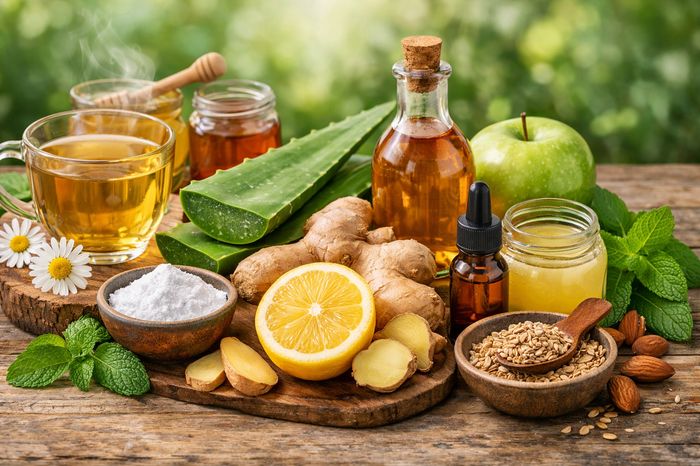
If you have ever experienced the sudden, burning sensation creeping up your chest after a heavy meal, you know exactly how uncomfortable acid reflux can be. It is distracting, painful, and has an uncanny ability to ruin a good night's sleep. Acid reflux occurs when stomach acid flows backward into the esophagus, the tube that connects your throat to your stomach. While occasional heartburn is completely normal, dealing with it frequently can significantly impact your quality of life.

Before you reach for over-the-counter antacids, you might want to consider what is available in your pantry. A lot of people believe that the only way to manage acid reflux is through prescription medication. While chronic cases like Gastroesophageal Reflux Disease (GERD) definitely require a doctor's supervision, mild and occasional flare-ups can often be tamed with natural, science-backed home remedies. In this article, we will explore seven effective, natural home remedies for acid reflux that actually work, correcting some common misconceptions along the way.
Understanding the Root Cause of Acid Reflux
To treat acid reflux effectively, it is essential to understand why it happens. At the bottom of your esophagus sits a circular band of muscle called the lower esophageal sphincter (LES). Think of it as a one-way valve. When you swallow food or liquid, this valve relaxes to let it pass into your stomach, and then it tightly closes. Acid reflux happens when the LES weakens or relaxes inappropriately, allowing stomach acid to wash back up into the sensitive lining of the esophagus.
Many people assume that acid reflux is strictly caused by having "too much" stomach acid. In reality, it is often a mechanical issue with the LES or even a case of having too little stomach acid, which impairs digestion and causes food to ferment and push upwards. With this in mind, let us look at the natural remedies that can help soothe the burn, regulate digestion, and support your esophageal health.
1. Apple Cider Vinegar (ACV)
Recommending an acid to treat an acid problem might sound completely counterintuitive. However, raw, unfiltered apple cider vinegar is one of the most popular and historically celebrated natural remedies for heartburn. The theory behind this is grounded in the idea that some acid reflux is caused by low stomach acid (hypochlorhydria). When stomach acid is low, the LES may not receive the proper signals to close tightly.
By introducing a mild acid like ACV, you may help lower the pH of the stomach just enough to signal the LES to contract and close, keeping the digestive juices where they belong. Furthermore, ACV contains enzymes and probiotics that can aid overall digestion, helping food move through the stomach faster. Food that sits in the stomach too long is a major trigger for reflux.
How to Use It Safely:
- Mix one to two teaspoons of raw, unfiltered apple cider vinegar into a large glass of warm or room temperature water.
- Drink it about 15 to 20 minutes before a meal.
- Caution: Never drink ACV straight. It is highly acidic and can erode tooth enamel and irritate your throat. Always dilute it heavily with water.
2. Fresh Ginger Root Tea
Ginger has been used for centuries in traditional Chinese and Ayurvedic medicine to treat a variety of gastrointestinal ailments, from nausea to indigestion. It turns out, ginger is incredibly effective for acid reflux as well. The root is rich in phenolic compounds, which are known to relieve gastrointestinal irritation and lessen gastric contractions.
Additionally, ginger has a profound effect on gastric emptying. When food moves swiftly out of your stomach and into your small intestine, there is less opportunity for stomach acid to splash upward. Ginger's potent anti-inflammatory properties can also help soothe an esophagus that has already been irritated by acid.
How to Use It Safely:
- Peel and slice a small piece of fresh ginger root (about one inch).
- Steep the slices in boiling water for 10 to 15 minutes to create a soothing tea.
- Drink a cup 20 minutes before a meal, or sip it slowly when you feel heartburn creeping up. Steer clear of ginger ale, as carbonation often worsens reflux and most commercial ginger sodas contain artificial flavors and too much sugar.
3. Baking Soda (Sodium Bicarbonate)
If you need rapid, almost immediate relief from a severe bout of heartburn, standard baking soda is one of the most effective tools in your kitchen. Baking soda is a natural, highly alkaline substance. When it comes into contact with the hydrochloric acid in your stomach, it triggers a chemical reaction that neutralizes the acid, rapidly dropping the acidity level and providing fast relief from the burning sensation.
However, candor is required here: baking soda is a short-term fix, not a long-term solution. Because it contains a high amount of sodium, overusing it can lead to water retention, high blood pressure, and a dangerous imbalance of electrolytes. It is a fantastic emergency brake, but it should not be an everyday habit.
How to Use It Safely:
- Dissolve one-half teaspoon of baking soda in a 4-ounce glass of water.
- Drink it slowly. You may experience a burp shortly after, which is the release of carbon dioxide gas created by the neutralization process.
- Do not use this remedy if you are on a sodium-restricted diet or if you are pregnant, without speaking to your doctor first.
4. Chewing Sugar-Free Gum
It sounds almost too simple to be true, but chewing a piece of sugar-free gum can be a surprisingly effective way to combat acid reflux. Research has shown that chewing gum for 30 minutes after a meal can significantly reduce esophageal acid levels.
The mechanism is purely physiological: chewing stimulates your salivary glands to produce more saliva. Saliva is naturally slightly alkaline, meaning it acts as a mild acid buffer. Furthermore, the constant act of swallowing encourages the clearance of acid from your esophagus, effectively washing the acid back down into the stomach where it belongs.
How to Use It Safely:
- Opt for a sugar-free gum to avoid promoting dental cavities.
- Avoid peppermint or spearmint flavored gums. Mint is a known trigger for acid reflux because it can relax the lower esophageal sphincter. Instead, choose fruit or cinnamon-flavored gums.
- Chew for roughly 30 minutes following a heavy meal.
5. Aloe Vera Juice
Most people are familiar with aloe vera as a cooling topical treatment for sunburns. Interestingly, aloe vera can perform a similar soothing function internally. Just as it reduces inflammation and redness on the skin, the juice of the aloe vera plant can coat the esophagus and the stomach lining, providing a protective, cooling barrier against acid.
Aloe vera is packed with vitamins, minerals, and amino acids. It acts as an anti-inflammatory agent, and studies suggest it can significantly reduce the frequency of acid reflux symptoms without the side effects associated with traditional antacids.
How to Use It Safely:
- Drink about 2 to 3 ounces of aloe vera juice roughly 20 minutes before a meal.
- Crucial tip: Ensure you are purchasing aloe vera juice that has been decolorized and purified. Unpurified aloe vera contains a compound called aloin, which is a powerful laxative and can cause stomach cramps and diarrhea.
6. Slippery Elm and Marshmallow Root
While they sound like ingredients from a forest fairytale, Slippery Elm and Marshmallow Root are potent botanical remedies that have been used to treat digestive issues for generations. Both of these herbs are rich in mucilage. Mucilage is a gel-like substance that swells when mixed with water.
When you ingest these herbs, the mucilage coats the mucosal lining of the esophagus and stomach, acting as a physical barrier against the harshness of stomach acid. This protective layer allows irritated tissues time to heal while simultaneously providing immediate soothing relief.
How to Use It Safely:
- Slippery elm and marshmallow root can be purchased in capsule, powder, or tea form.
- If using powder, mix about one tablespoon into a glass of warm water and let it sit for a few minutes to thicken before drinking.
- Because they coat the digestive tract, they can interfere with the absorption of other medications. Be sure to take them at least two hours apart from any prescription drugs.
7. Strategic Sleep Adjustments: Incline and Left-Side Sleeping
Not all remedies involve ingesting something. One of the most effective ways to manage acid reflux—especially the kind that jolts you awake at 2 AM—is through simple physics and anatomy. When you lie down flat, gravity is no longer helping keep acid in your stomach, making it much easier for it to leak through a weakened LES.
Elevating the head of your bed by 6 to 8 inches (using bed risers or a specialized wedge pillow, not just stacking regular pillows, which can bend your neck and increase stomach pressure) uses gravity to keep the acid down.
Additionally, sleeping on your left side is highly recommended. The stomach naturally curves to the left side of the body. When you lie on your left side, the stomach sits lower than the esophagus, making it anatomically much harder for acid to flow upward. Conversely, sleeping on your right side can actually relax the LES and promote reflux.
Addressing the Root Cause: Lifestyle Modifications
While the remedies listed above are fantastic for symptom relief, the most effective strategy for managing acid reflux involves addressing lifestyle triggers. A common misconception is that a glass of milk will cure heartburn. While cold milk might briefly soothe the esophagus, its fat content can actually cause the stomach to produce more acid, exacerbating the problem later.
Instead, focus on real, grounded lifestyle changes:
- Eat smaller meals: A heavily stretched stomach puts tremendous pressure on the LES. Eating smaller, more frequent meals prevents this pressure build-up.
- Know your triggers: Common culprits include caffeine, alcohol, chocolate, citrus fruits, tomatoes, spicy foods, and heavily processed or fried foods. Keep a food diary to identify your specific enemies.
- Stop eating before bed: Give your body at least three hours to digest before lying down. Going to bed with a full stomach is a guaranteed recipe for midnight heartburn.
- Maintain a healthy weight: Excess weight, particularly around the abdomen, pushes upward against the stomach, forcing acid up into the esophagus.

When It Is Time to See a Doctor
We need to be clear and realistic: while natural remedies are excellent tools, they have their limitations. If you are experiencing acid reflux more than twice a week, if it is causing you difficulty swallowing, or if you are losing weight unintentionally, you need to consult a healthcare professional. Chronic, untreated acid reflux can damage the lining of your esophagus over time, leading to a condition known as Barrett's esophagus, which increases the risk of esophageal cancer.
The Verdict on Natural Reflux Remedies
Dealing with acid reflux is undeniably frustrating, but it does not always require an immediate trip to the pharmacy. From the acid-balancing properties of Apple Cider Vinegar to the soothing barrier created by Slippery Elm, nature provides a robust toolkit for managing heartburn. By combining these natural remedies with smart lifestyle adjustments—like sleeping on your left side and avoiding late-night snacking—you can regain control over your digestion and enjoy your meals comfortably again.