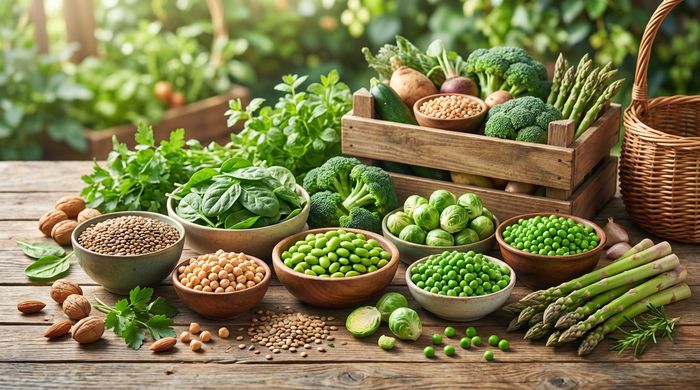
Adopting a plant-based diet comes with a multitude of incredible health benefits, from improved cardiovascular health to enhanced digestion and a lower carbon footprint. However, one of the most common concerns people have when transitioning to a vegan or vegetarian lifestyle is getting enough protein. The widespread myth suggests that without animal products, meeting your daily protein needs is a monumental challenge. Fortunately, the plant kingdom is exceptionally rich in essential nutrients, and you might be surprised to discover just how much protein hides in your everyday greens. While we often think of legumes, nuts, and seeds as the primary plant-based protein sources, high-protein vegetables also play a crucial role in a well-rounded diet.

The Truth About Plant-Based Protein and Muscle Building
Before we dive into the specific vegetables, it is vital to understand how plant protein works within the human body. Proteins are made up of building blocks called amino acids. Your body needs 20 different amino acids to function properly, and nine of these are considered "essential," meaning your body cannot produce them on its own; you must get them from your diet. While animal proteins contain all nine essential amino acids in optimal ratios, many plant proteins are lower in one or two specific amino acids. However, by eating a diverse array of plant-based foods throughout the day, your body naturally pools these amino acids to create complete proteins. High-protein vegetables are excellent additions because they provide these essential building blocks alongside crucial vitamins, minerals, and dietary fiber without the saturated fats found in animal products.
Moreover, vegetables offer superior bioavailability of certain micronutrients. When you consume a diverse, colorful plate, you are fueling your cells with antioxidants that aid in recovery, making these vegetables indispensable for athletes or anyone leading an active lifestyle. Let us explore the top eight high-protein vegetables that will seamlessly fuel your plant-based journey.
1. Green Peas: The Tiny Nutritional Powerhouses
Often overlooked and pushed to the side of the plate, green peas are actually a formidable source of plant-based protein. A single cup of cooked green peas delivers over 8 grams of high-quality protein. Beyond their protein content, peas are loaded with dietary fiber, which promotes a healthy gut microbiome and keeps you feeling full and satisfied for longer periods.
Green peas also provide nearly a quarter of your daily requirements for vitamins A, C, and K, as well as essential minerals like iron, magnesium, and zinc. They are incredibly versatile. You can blend them into a creamy pea soup, smash them with mint and lemon for a refreshing spread on whole-grain toast, or simply toss them into a vibrant stir-fry. Because of their naturally sweet flavor, they are also a great way to introduce more vegetables to children or picky eaters.
2. Spinach: The Leafy Green Muscle Builder
There is a very good reason why the classic cartoon character Popeye relied on spinach for his impressive strength. While raw spinach is incredibly light, cooking it breaks down its cellular walls and condenses its nutritional profile. One cup of cooked spinach provides more than 5 grams of protein.
Spinach is universally renowned for its dense concentration of iron, which is essential for transporting oxygen through your blood, directly impacting your energy levels and athletic performance. It is also packed with folate, calcium, and potent antioxidants like lutein and zeaxanthin, which are vital for eye health. To maximize iron absorption from spinach, pair it with a source of vitamin C, such as a squeeze of lemon juice or by cooking it alongside bell peppers. Add a handful of spinach to your morning fruit smoothies, fold it into a tofu scramble, or use it as a hearty base for warm grain bowls.
3. Broccoli: The Cruciferous King
Broccoli is a staple in fitness and bodybuilding diets for a reason. This cruciferous superstar offers almost 4 grams of protein per chopped, cooked cup. Moreover, the protein found in broccoli is accompanied by zero fat and an incredibly low-calorie footprint, making it ideal for lean muscle building and weight management.
Beyond protein, broccoli is famous for its high concentration of glucosinolates, which are sulfur-containing compounds that have been heavily researched for their powerful anti-cancer properties. It also delivers a massive dose of vitamin C and vitamin K. Whether you steam it, roast it with a drizzle of olive oil and garlic, or chop it finely into a fresh salad, broccoli is an indispensable component of a protein-rich, plant-based diet. Remember not to throw away the stalks; peel the tough outer layer and slice the core for extra fiber and nutrients!
4. Edamame: The Complete Plant Protein
Edamame refers to young, immature soybeans that are harvested before they fully ripen. They are arguably the undisputed champions of the high-protein vegetable category. A single cup of cooked edamame boasts an impressive 17 grams of protein. What makes edamame even more remarkable is that it provides a "complete" protein profile, meaning it contains all nine essential amino acids in adequate proportions.
Alongside this massive protein punch, edamame is a brilliant source of folate, vitamin K, and essential omega-3 fatty acids, which support brain and heart health. They make a fantastic, filling snack when lightly steamed and sprinkled with a pinch of sea salt. You can also shell them and toss them into salads, noodle dishes, or blend them into a vibrant, protein-packed edamame hummus. Their mild, slightly nutty flavor blends seamlessly into countless recipes.
5. Brussels Sprouts: The Mini Cabbages Packing a Punch
Brussels sprouts have made a massive culinary comeback in recent years, and for good reason. These tiny members of the cabbage family offer nearly 4 grams of protein per cooked cup. Like broccoli, they are cruciferous vegetables, meaning they are rich in phytonutrients that protect your body against cellular damage and oxidative stress.
To unlock the best flavor profile of Brussels sprouts and avoid the bitterness often associated with boiling them, roasting is the optimal cooking method. Halve them, toss them with a small amount of avocado oil, a splash of balsamic vinegar, and a sprinkle of nutritional yeast (which adds an extra cheesy flavor and even more protein), and roast until crispy and caramelized. They act as a hearty, satisfying side dish that significantly boosts the overall protein value of your dinner.
6. Asparagus: The Elegant Spear of Nutrition
Asparagus is a beautifully elegant vegetable that brings more to the table than just aesthetics. One cup of cooked asparagus yields roughly 4.3 grams of protein. What sets asparagus apart is its unique combination of protein and prebiotic fiber, particularly inulin. Prebiotics act as food for the beneficial bacteria living in your gut, promoting a robust immune system and excellent digestive health.
Furthermore, asparagus is a natural diuretic, helping the body flush out excess fluid and salt, which can reduce bloating. It is incredibly rich in vitamin K, essential for bone health and blood clotting. Asparagus cooks quickly and is best enjoyed when it retains a slight crunch. Lightly grill the spears with lemon zest, bake them, or chop them raw into seasonal spring salads.
7. Sweet Corn: The Golden Grain of Protein
While often categorized culinarily as a vegetable and botanically as a grain, sweet corn is a fantastic addition to this list. One cup of sweet corn kernels offers around 5 grams of protein. Many people avoid corn due to its carbohydrate content, but it is a wholesome, complex carbohydrate that provides sustained energy, making it an excellent pre-workout or post-workout food for vegans.
Sweet corn is also an abundant source of fiber, vitamins B and C, and essential minerals like magnesium and potassium. It pairs beautifully with black beans—a combination that forms a complete protein profile. Try creating a vibrant southwestern salad with corn, black beans, diced tomatoes, red onion, fresh cilantro, and a zesty lime dressing for a protein-packed, flavorful lunch.
8. Artichokes: The Fiber and Protein Combo
Artichokes are a nutritional treasure waiting to be unlocked. While they might seem intimidating to prepare, the effort is well worth the reward. One cup of boiled artichoke hearts provides approximately 4.8 grams of high-quality plant protein. But the true superpower of the artichoke lies in its astonishing fiber content—packing nearly 10 grams of dietary fiber per cup.
This powerful combination of protein and fiber guarantees exceptional satiety, making artichokes a powerful ally for anyone looking to maintain or lose weight without feeling deprived. Artichokes are also rich in antioxidants and compounds that stimulate bile production, actively supporting liver health and digestion. You can enjoy them steamed, roasted, or buy the hearts pre-canned in water to easily toss into pastas, salads, and homemade vegan pizzas.
Nutritional Breakdown: Comparing the Protein Veggies
To help you better plan your meals, below is a comparative overview of the protein content found in one cooked cup of the vegetables discussed. Incorporating a mix of these will ensure a dynamic and varied nutrient intake.
| Vegetable (1 Cup Cooked) | Protein Content (g) | Key Secondary Benefit |
|---|---|---|
| Edamame | 17.0 g | Complete Protein, Omega-3s |
| Green Peas | 8.5 g | High Fiber, Vitamins A & C |
| Spinach | 5.3 g | Iron, Calcium, Folate |
| Sweet Corn | 5.0 g | Complex Carbs, Magnesium |
| Artichokes (Hearts) | 4.8 g | Massive Prebiotic Fiber |
| Asparagus | 4.3 g | Diuretic, Vitamin K |
| Brussels Sprouts | 4.0 g | Antioxidants, Cellular Health |
| Broccoli | 3.8 g | Glucosinolates, Vitamin C |
Strategies for Maximizing Your Plant-Based Diet
Knowing which vegetables contain high protein is only half the equation. The other half is integrating them effectively into your daily routine. Here are a few essential tips to ensure you are maximizing both protein absorption and overall enjoyment on your plant-based diet.
Focus on Food Synergy
Food synergy is the concept that certain foods offer greater nutritional benefits when eaten together than when consumed separately. For instance, pairing a vitamin C-rich food (like bell peppers or a squeeze of lemon) with iron-rich vegetables like spinach or broccoli increases the absorption of non-heme iron significantly. Similarly, pairing these high-protein vegetables with healthy fats, like avocado or extra virgin olive oil, helps your body absorb fat-soluble vitamins (A, D, E, and K).
Master the Art of Meal Prep
Preparation is the key to consistency. Try roasting a large batch of broccoli and Brussels sprouts on a Sunday afternoon. Boil some edamame and sweet corn, and store them in airtight containers in the fridge. Having these high-protein vegetables ready to go means you can easily construct a protein-dense nourish bowl in less than five minutes during a busy workday.
Don't Fear Carbohydrates
Many people transitioning to a health-conscious diet become wary of carbohydrates. However, whole-food plant carbohydrates are your body's preferred source of energy. Combining the high-protein vegetables listed above with complex carbohydrates like quinoa, brown rice, or sweet potatoes ensures that the protein you consume is utilized for muscle repair and enzymatic functions, rather than being burned purely for energy.

Verdict and Final Thoughts
Fueling your body on a plant-based diet does not have to involve heavily processed meat substitutes or endless scoops of protein powder. Mother Nature has provided an abundant array of whole, nutritious foods that supply the protein your body craves. By consciously incorporating edamame, green peas, spinach, broccoli, Brussels sprouts, asparagus, sweet corn, and artichokes into your daily meals, you are not just meeting your macronutrient goals—you are flooding your system with life-enhancing vitamins, minerals, and antioxidants. These eight high-protein vegetables prove that building strength, fostering vitality, and achieving optimal health are entirely possible while honoring a compassionate, plant-forward lifestyle.
Word count: 1553 words.