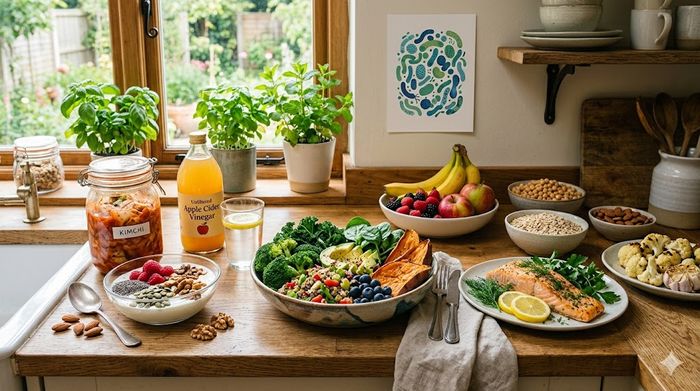
The human gut is more than just a tube for processing food; it is a complex, living ecosystem that influences almost every aspect of our health. From our immune system's strength to the clarity of our thoughts, the trillions of bacteria residing in our digestive tract—collectively known as the microbiome—play a lead role. In recent years, science has confirmed that a "gut-healing diet" isn't just a trend; it is a fundamental necessity for longevity and metabolic health in the modern world.
Understanding the Microbiome: Your Internal Pharmacy

Think of your microbiome as a bustling city. When the "good" citizens (beneficial bacteria) are in charge, the city thrives—inflammation stays low, nutrients are absorbed efficiently, and the "gut barrier" remains strong. However, when "bad" bacteria take over due to poor diet, stress, or overuse of antibiotics, the result is dysbiosis. This imbalance is linked to bloating, fatigue, skin issues, and even chronic conditions like autoimmune diseases.
To heal the gut, we must focus on two main objectives: removing the irritants that cause damage and flooding the system with the nutrients that help the intestinal lining repair itself and the beneficial bacteria flourish. This is a journey of restoration, not restriction.
The Core Pillars of a Gut-Healing Diet
A successful gut-healing protocol relies on diversity and quality. The American Gut Project found that people who eat more than 30 different types of plant foods per week have significantly more diverse microbiomes than those who eat fewer than ten. Diversity in what you eat leads to diversity in the microbes that protect you.
1. Prebiotics: The Fuel Your Gut Needs
Prebiotics are specialized plant fibers that act as "fertilizer" for the good bacteria in your gut. Unlike other foods, prebiotics are not digested by you; they pass into the lower digestive tract where they are fermented by your bacteria.
- Garlic and Onions: Rich in inulin, which supports Bifidobacteria growth.
- Asparagus: High in prebiotic fiber and anti-inflammatory antioxidants.
- Bananas (slightly green): Contain resistant starch, a potent prebiotic.
- Chicory Root: One of the highest natural sources of inulin fiber.
2. Probiotics: Introducing Beneficial Residents
Probiotics are live microorganisms that provide health benefits when consumed. While supplements are popular, fermented foods provide a complex matrix of strains that are often more resilient and effective.
| Food Category | Examples | Primary Benefit |
|---|---|---|
| Dairy Fermented | Kefir, Greek Yogurt (Grass-fed) | Lactobacillus diversity |
| Vegetable Fermented | Sauerkraut, Kimchi | Enzymes and organic acids |
| Soy Fermented | Miso, Tempeh | Complete protein + probiotics |
Top 5 Healing Foods for the Intestinal Lining
Healing the gut isn't just about the bacteria; it's also about the "wall" they live on. A "leaky gut" (increased intestinal permeability) occurs when the junctions in the gut lining loosen, allowing toxins into the bloodstream. These five foods are essential for "sealing" those gaps.
1. Bone Broth
Rich in collagen, glutamine, and glycine, bone broth provides the literal building blocks for the gut lining. Glutamine, in particular, is the preferred fuel for the cells (enterocytes) that line your small intestine.
2. Wild-Caught Salmon
Chronic inflammation is the enemy of gut health. Omega-3 fatty acids found in cold-water fish like salmon are powerful anti-inflammatories that help reduce irritation in the digestive tract.
3. Stewed Apples
When apples are cooked, they release pectin, a gelatinous fiber that helps "soothe" the gut lining and provides a gentle prebiotic source for healing sensitive digestive systems.
4. Extra Virgin Olive Oil (EVOO)
EVOO is rich in polyphenols that act as antioxidants. It helps promote the growth of Akkermansia muciniphila, a specific bacterium that strengthens the protective mucus layer of the gut.
5. Sprouted Seeds and Nuts
Raw nuts and seeds contain "anti-nutrients" like phytic acid that can irritate a sensitive gut. Sprouting (soaking) them neutralizes these compounds, making the minerals and proteins easier to absorb.
Foods to Avoid: The "Gut Blockers"
You cannot heal a gut that you are simultaneously damaging. While working on your gut-healing diet, it is vital to reduce or eliminate the following triggers for at least 30 days:
- Refined Sugars: These feed opportunistic yeast like Candida and harmful bacteria.
- Processed Seed Oils: Oils like soybean or corn oil are high in Omega-6, which can promote systemic inflammation.
- Artificial Sweeteners: Studies suggest that aspartame and sucralose can negatively alter the microbiome composition.
- Excessive Alcohol: Alcohol directly irritates the gut lining and can lead to increased permeability.
Polyphenols: The Microbiome’s Secret Weapon
Polyphenols are plant compounds that are notoriously difficult for humans to digest but are a delicacy for our gut microbes. When bacteria break down polyphenols, they produce metabolites that have anti-cancer and anti-inflammatory properties.
The best sources include dark berries (blueberries, raspberries), green tea, and even dark chocolate (at least 70% cocoa). These foods don't just taste good; they signal to your immune system that the "city" is safe.
Lifestyle Factors That Amplify Gut Healing
While diet is the primary driver, your microbiome is sensitive to your lifestyle. The "gut-brain axis" means that if your mind is stressed, your gut feels it immediately.
- Sleep Quality: Lack of sleep shifts the microbiome toward a state that promotes weight gain and insulin resistance.
- Intermittent Fasting: Giving your digestive system a break for 12-16 hours allows the "Migrating Motor Complex" to sweep through the gut and clear out debris.
- Nature Exposure: Spending time in nature exposes you to environmental microbes that can subtly improve your internal diversity.
A Simple 3-Day Gut Restoration Plan
If you're feeling overwhelmed, start with these simple daily templates. Remember to chew your food thoroughly—digestion begins in the mouth, and large food particles are harder for a compromised gut to handle.
Day 1: Focus on Sealing
Breakfast: Warm bone broth with ginger. Lunch: Steamed salmon with sautéed spinach and garlic. Dinner: Stewed apples with cinnamon and a dollop of coconut yogurt.
Day 2: Focus on Prebiotics
Breakfast: Chia seed pudding with blueberries. Lunch: Asparagus and leek soup (cream-free). Dinner: Ground turkey with roasted carrots and onions.
Day 3: Focus on Probiotics
Breakfast: Grass-fed Greek yogurt with sprouted walnuts. Lunch: Large green salad with a side of sauerkraut. Dinner: Tempeh stir-fry with plenty of fibrous vegetables.
For more personalized advice, you can explore professional resources at SorinBlogger Health Insights.

The Verdict: Your Gut, Your Health
Healing the gut is not an overnight process, but the results are transformative. By focusing on a diet rich in prebiotic fiber, probiotic fermented foods, and anti-inflammatory compounds like bone broth and Omega-3s, you are not just fixing your digestion—you are upgrading your entire biological operating system.
Consistency is the key. Start small, listen to how your body reacts to new foods, and remember that every meal is an opportunity to nourish the trillions of microbes that work tirelessly to keep you healthy. A vibrant, diverse microbiome is the ultimate foundation for a long, energized life.