
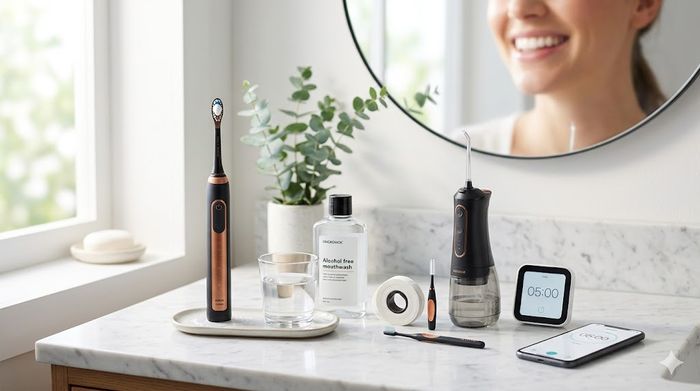
Waking up with a fresh, healthy smile isn't just about vanity; it is a fundamental pillar of your overall systemic health. In the fast-paced life of the United States, we often rush through our morning rituals, overlooking the very foundation of our well-being: oral hygiene. But what if I told you that just five minutes every morning could be the difference between painful dental procedures and a lifetime of radiant, healthy gums? This guide breaks down a science-backed, highly efficient routine designed to fit perfectly into your busy schedule while delivering maximum protection for your teeth and gums.
Why Your Morning Dental Routine Matters More Than You Think

The oral microbiome is a complex ecosystem. Overnight, while you sleep, saliva production decreases, creating a dry environment where bacteria thrive. This leads to the buildup of plaque—a sticky film of bacteria that, if left untreated, hardens into tartar. Research from the American Dental Association highlights that gum disease is linked to heart conditions, diabetes, and other inflammatory diseases. Therefore, your morning routine is your first line of defense, neutralizing acids and removing the bacterial buildup from the night.
The 5-Minute Breakdown: Every Second Counts
Efficiency is key. You don't need an hour in front of the mirror to achieve professional results. By following this timed sequence, you ensure that every aspect of your oral cavity—from the surfaces of your teeth to the deep pockets of your gums—receives the attention it deserves.
| Step | Action | Time Allocated |
|---|---|---|
| 1 | Hydration & Initial Rinse | 30 Seconds |
| 2 | Tongue Scraping | 30 Seconds |
| 3 | Precision Brushing (Bass Method) | 2 Minutes |
| 4 | Interdental Cleaning (Flossing) | 1 Minute |
| 5 | Antiseptic Rinsing & Protection | 1 Minute |
Step 1: The Wake-Up Call for Your Mouth (30 Seconds)
Before you even reach for your toothbrush, start with a glass of water. Drinking water immediately upon waking helps to rehydrate your body and flush out some of the loose bacteria that accumulated overnight. Follow this with a vigorous 15-second rinse with plain water. This mechanical action helps dislodge food particles and prepares the tooth enamel for cleaning. Avoid acidic drinks like orange juice or coffee until *after* you have brushed, as acid softens the enamel, making it susceptible to abrasion during brushing.
Step 2: Tongue Scraping – The Forgotten Hero (30 Seconds)
Did you know that up to 80% of the bacteria in your mouth live on your tongue? Brushing your teeth but ignoring your tongue is like taking a shower and putting on dirty clothes. A tongue scraper (preferably stainless steel or copper) is far more effective than a toothbrush at removing the biofilm known as "tongue coating."
Gently scrape from the back of the tongue toward the front. Rinse the scraper after each pass. This not only significantly improves your breath but also enhances your sense of taste by clearing the debris from your taste buds.
Step 3: Mastering the 2-Minute Precision Brush
The 2-minute rule is non-negotiable. However, *how* you brush is just as important as how long you brush. Most Americans apply too much pressure, which can lead to gum recession and enamel wear.
The Modified Bass Technique
Dentists recommend the Bass method for maximum gum health. Angle your brush at 45 degrees toward the gum line. Use short, circular, vibrating motions rather than a sawing back-and-forth motion. This allows the bristles to reach slightly under the gum margin where plaque likes to hide. Spend 30 seconds on each quadrant of your mouth: upper left, upper right, lower left, and lower right.
| Feature | Manual Toothbrush | Electric Toothbrush |
|---|---|---|
| Plaque Removal | Effective if technique is perfect | Superior (up to 21% more) |
| Gum Health | Risk of over-brushing | Pressure sensors prevent damage |
| Ease of Use | Requires dexterity | Does the work for you |
Step 4: Interdental Cleaning (1 Minute)
Many people save flossing for the evening, but doing it in the morning ensures that the bacteria loosened during the night are fully removed before they can bond with the minerals in your saliva to form tartar. If traditional string floss feels like a chore, consider interdental brushes or a water flosser.
The goal is to clean the 35% of your tooth surfaces that a toothbrush simply cannot reach. Slide the floss gently between your teeth, curving it into a "C" shape against the side of each tooth and sliding it beneath the gum line.
Step 5: The Finishing Rinse (1 Minute)
The final step is to seal in the protection. Use an alcohol-free, therapeutic mouthwash. Alcohol-based rinses can dry out the mouth, which actually encourages bacterial growth in the long run. Look for ingredients like fluoride to strengthen enamel or essential oils (menthol, eucalyptol) for antiseptic properties.
Swish for a full 30-60 seconds. Do not rinse with water afterward; you want the active ingredients to remain on your teeth and gums as long as possible.
Choosing the Right Tools for the Job
In the US market, we are flooded with options. However, for a healthy gum routine, quality beats quantity.
- Toothpaste: Choose a fluoride-based toothpaste with the ADA Seal of Acceptance. If you have sensitive gums, look for stannous fluoride, which provides an antibacterial layer.
- Soft Bristles: Never use a "medium" or "hard" brush. They are too aggressive for gum tissue.
- Replacement Schedule: Change your toothbrush or brush head every 3 months, or sooner if the bristles are frayed.
Common Mistakes to Avoid in Your Morning Routine
Even with a dedicated routine, small errors can undermine your efforts. One of the most common mistakes is brushing immediately after consuming acidic foods like grapefruit or coffee. This can lead to "acid wear." Wait at least 30 minutes after eating before you brush.
Another mistake is "rinsing and spitting" too quickly. Toothpaste needs time to work. After brushing, spit out the excess paste but try to avoid rinsing your mouth with water immediately. Let the fluoride sit on your teeth.
The Diet-Dental Connection
What you eat for breakfast plays a massive role in your gum health. Sugary cereals and pastries are fuel for bacteria. Opt for high-fiber foods like oatmeal or protein-rich eggs, which don't cling to the teeth. If you must have sugar, eat it with your meal rather than as a standalone snack to minimize the time your teeth are exposed to acid.
Long-Term Benefits of a Consistent Routine
The beauty of the 5-minute morning dental routine is its cumulative effect. Within two weeks of consistent flossing and tongue scraping, most people notice a significant reduction in gum bleeding and much fresher breath. In the long run, you are saving thousands of dollars in restorative dentistry. Preventing periodontitis (advanced gum disease) is much easier and cheaper than treating it with scaling, root planing, or surgery.
Moreover, a healthy mouth is a confident mouth. Knowing your breath is fresh and your smile is clean changes how you interact with colleagues and loved ones throughout the day.

Verdict: Consistency is Your Greatest Asset
A perfect dental routine doesn't require complex machinery or hours of work. It requires five minutes of focused, intentional care. By integrating tongue scraping, the Bass brushing technique, and daily interdental cleaning, you are providing your body with a powerful shield against disease. Your smile is the first thing people notice; make sure it tells a story of health and discipline. Start tomorrow morning, and within a month, your dentist—and your mirror—will see the difference.
